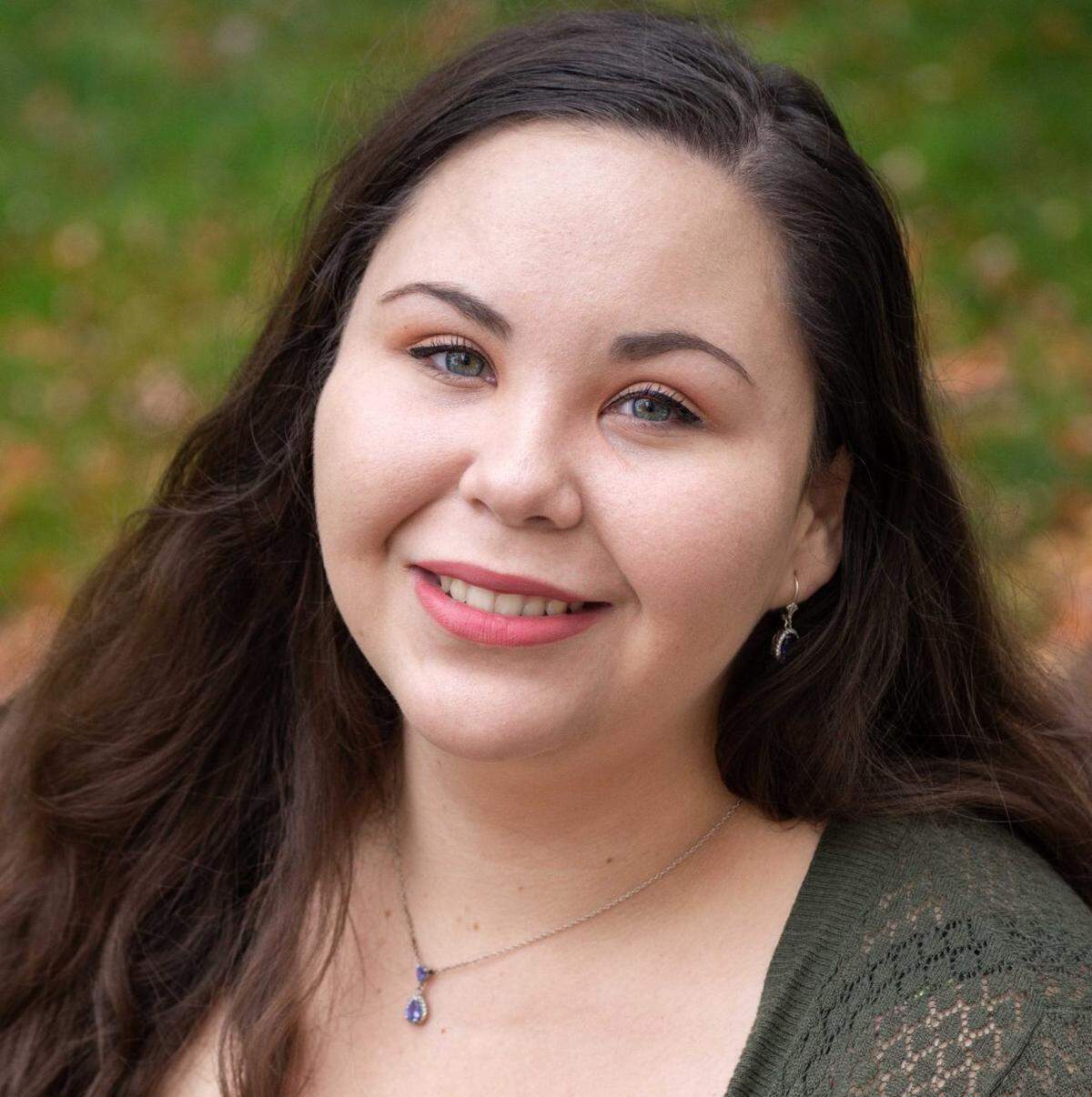
Evergreen Longhouse celebrates Alaska Native civil rights activist Elizabeth Peratrovich
Elizabeth Peratrovich, among many other Alaska Native civil rights activists, fought to end segregation between the Indigenous and white population in Alaska. Alongside her husband Roy, Peratrovich advocated for the Anti-Discrimination Act of 1945 — more than a decade before the then-territory became a state and nearly two decades before remaining Jim Crow laws were overruled.
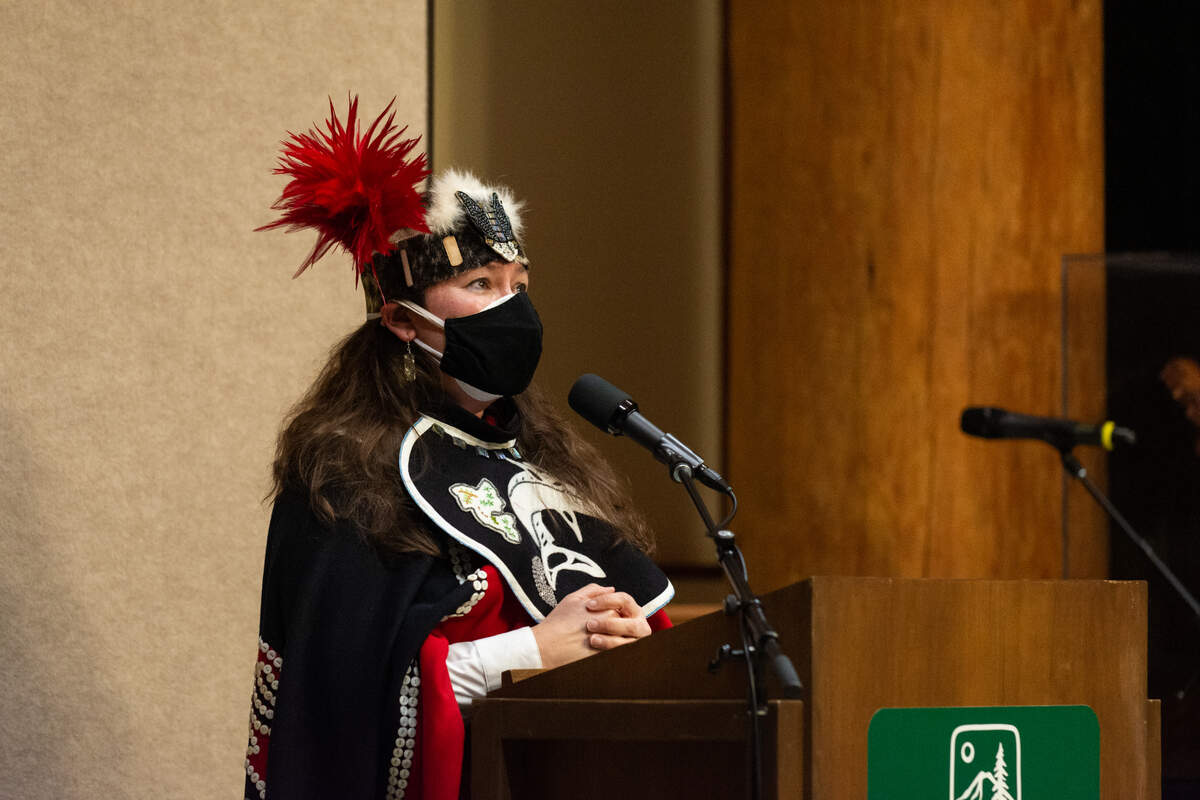
“When the U.S. established their presence in Alaska, they did so without any treaties or negotiations with any Alaska Tribe. Expecting equal rights, Alaska Natives were treated much differently under U.S. rule,” said Evergreen Longhouse Director Laura VerMeulen.
Many of the same discriminatory practices accepted in the continental U.S. were implemented in Alaska, as well as boarding schools for Alaska Native children, said VerMeulen, an enrolled member of the Central Council of Tlingit and Haida Tribes of Alaska and great-niece to the Peratroviches.
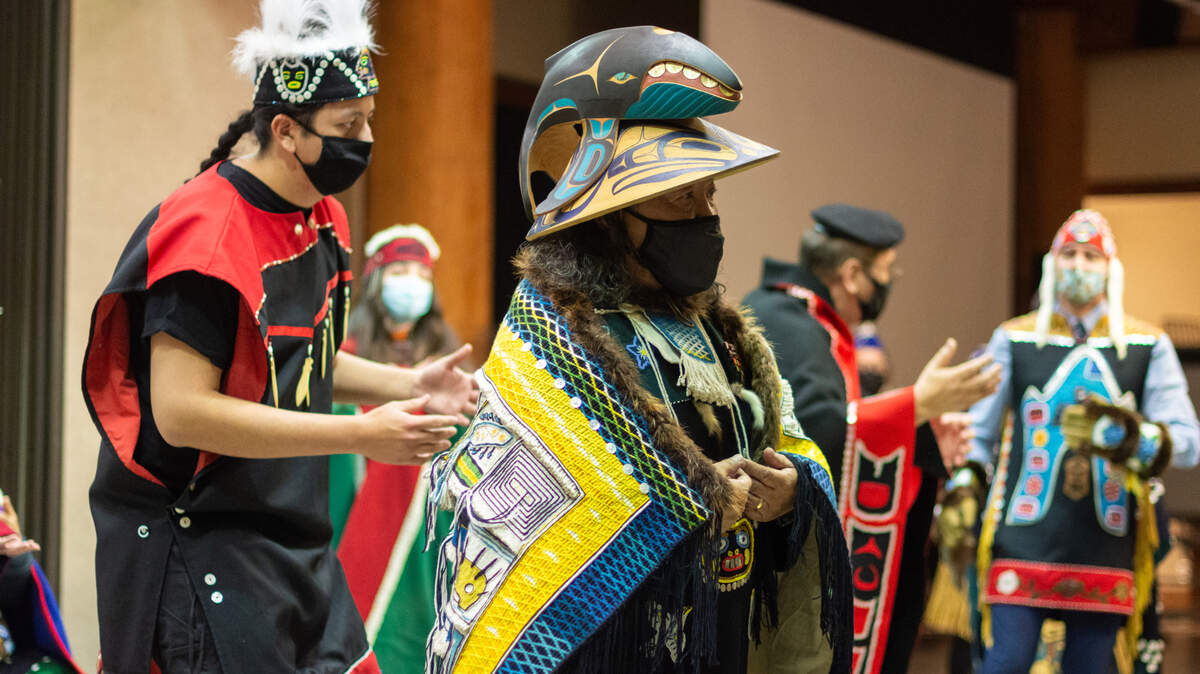
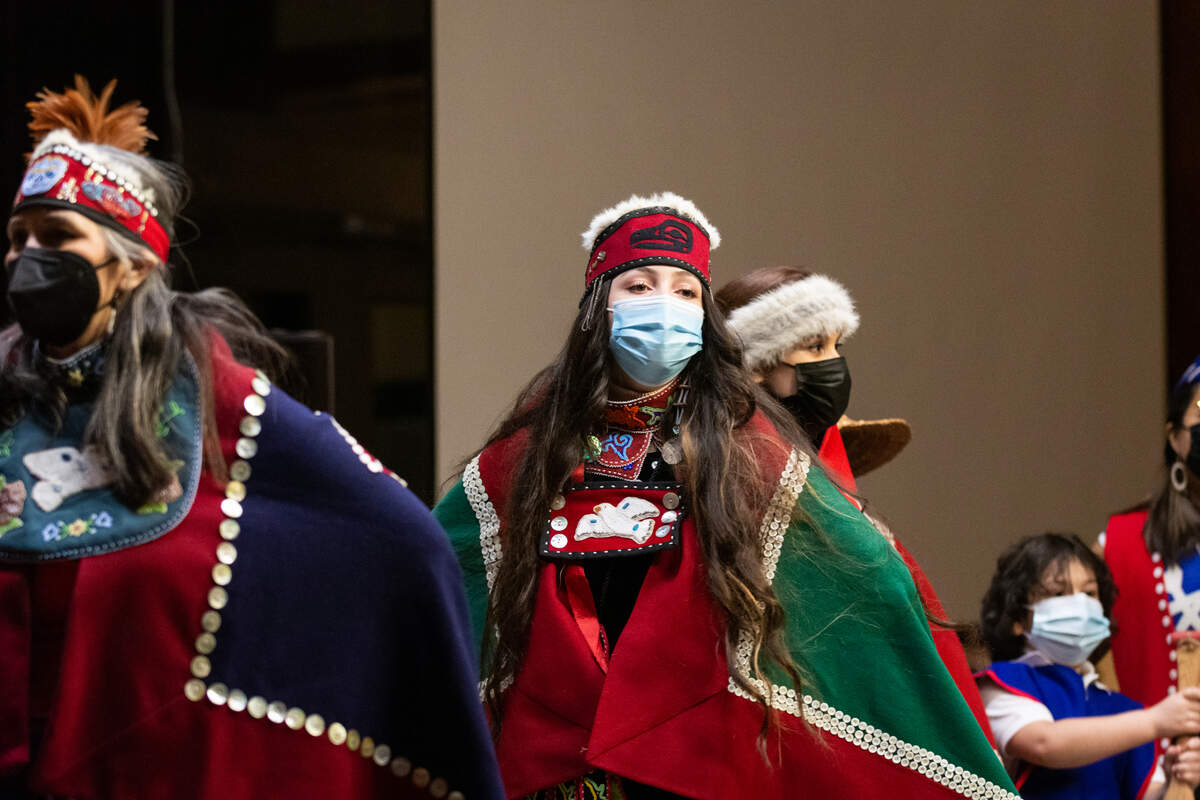
In celebration of Alaska Native leadership and the 77th anniversary of the act, the community gathered for Elizabeth Peratrovich Day Wednesday, Feb. 16, at the Evergreen Longhouse at Evergreen State College in Olympia, Wash.
“Washington state is home to many Alaska Native people and we felt that it was time to tell the story of Alaska Native civil rights activism on the day that we recognize the work of Elizabeth Peratrovich,” VerMeulen said.
At the Longhouse, they celebrated the holiday with a screening of the film “For the Rights of All: Ending Jim Crow in Alaska.” In a final scene, the film depicts a parade of Alaska Natives dancing and singing with joy down South Franklin Street in Juneau, Alaska.
“The street had restaurants, gift shops and stores. I’ll never forget seeing the signs, ‘No Indians allowed.’ It was a shock, I was just a little kid. I’m 78 now,” said Florentino “Tiny” Barril, who is Tlingit and Filipino and was born and raised in Alaska.
“When we had the first celebration and parade walking down South Franklin Street, I was looking around and thought to myself, ‘I grew up in this town. I saw those signs and look where we are now. We’re taking our place,’” Barril said. “We hold Elizabeth Peratrovich and all the men and women who fought for our rights so highly.”
Barril leads the Alaska Kuteeyaa Dancers based in the South Puget Sound. The event was the first time the group — made up of Alaska Native dancers from Bellingham, Marysville, Renton, Puyallup and Olympia, Wash. — sang and danced together since the pandemic.
“We all come together to practice our culture and teach children about their identities so they don’t lose it in the cities. That’s the hard part of being separated from Alaska,” he said.
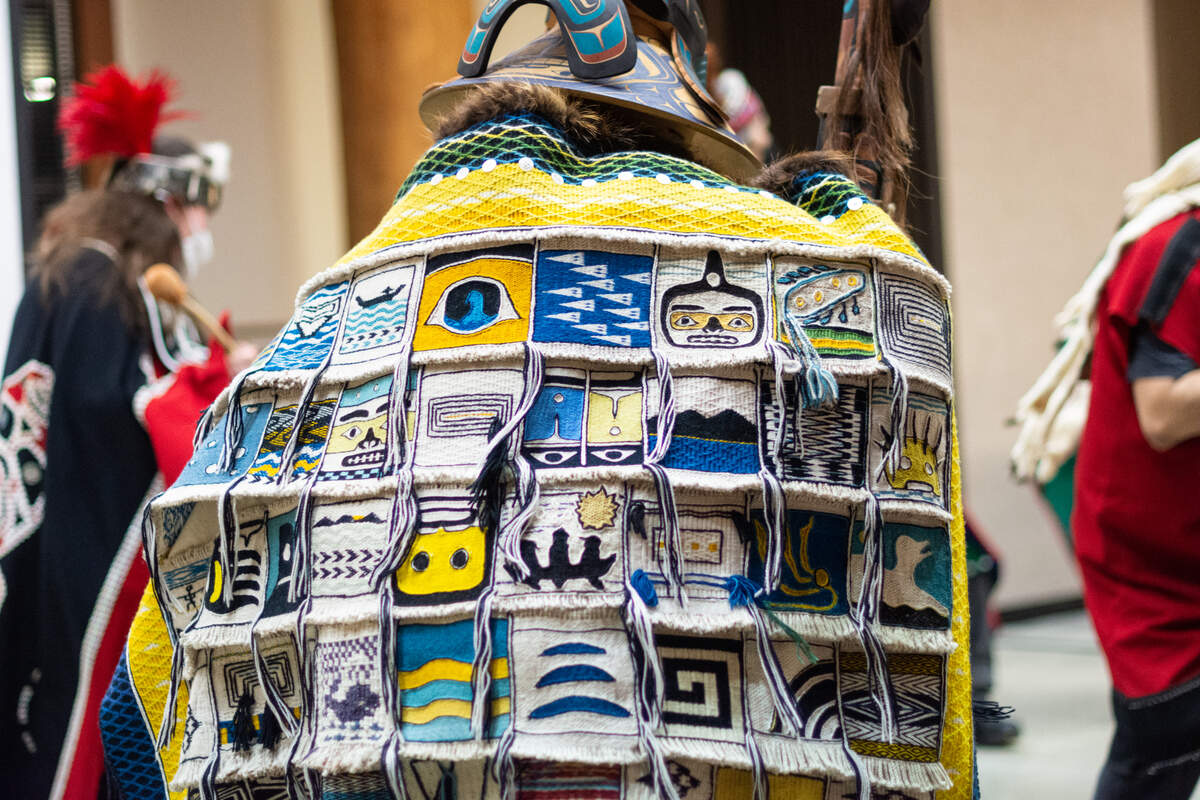
Barril had the honor of dancing in the Longhouse’s Chilkat robe. Chilkat is a traditional form of weaving practiced by Tlingit, Haida, Tsimshian and other Indigenous Northwest coastal peoples.
The late Chilkat weaver Clarissa Rizal had a dream of a robe made by many weavers. She, along with over 50 Chilkat weavers, made the robe that was gifted to the Longhouse in 2018 for the grand opening of its Fiber Arts Studio. The robe lives at the Longhouse and is accessible to all the weavers and anyone from the tradition who wishes to dance in it at Longhouse events.
Barril and his wife Davina, who is also Tlingit and a member of the Alaska Kuteeyaa Dancers, talked about their family members who joined in the fight for Alaska Native civil rights.
“Elizabeth was a very educated, eloquent speaker who was able to get her foot in that door so they give her a lot of credit, where it’s due. I applaud her poise. She was among a collaboration of many, many women in Alaska that fought for the act. My mother, who was never a highly educated person, was the head of the cannery union,” Tiny Barril said. “These women, even though they weren’t highly educated or eloquent speakers and were very brass, people listened to them too.”
Davina Barril’s grandmother Amy Hallingstad advocated for desegregating schools, noting that Alaska Natives were forced to pay taxes to support the whites-only public school their children could not attend.
“She and many among her, many of her friends and relations, they did what they had to do. It was incredibly tough, hard work. And they did it because they knew what was at stake,” Barril said.
The event wrapped up with a showing of an episode from the PBS animated children’s show “Molly of Denali.” In the episode, Molly, a 10-year-old Alaska Native, learns about Peratrovich.
BEHIND THE STORY
MOREPlease help support this reporting
Natasha Brennan covers Washington state tribes’ impact on our local communities, environment and politics, as well as traditions, culture and equity issues, for McClatchy media companies in Bellingham, Olympia, Tacoma and Tri-Cities.
She joins us in partnership with Report for America, which pays a portion of reporters’ salaries. You can help support this reporting at bellinghamherald.com/donate. Donations are tax-deductible through Journalism Funding Partners.
You can sign up for her weekly newsletter here.
“Our celebration tonight is a testimony to how far we have come in dismantling these destructive systems built to erase our culture and our way of life and dehumanize Native people,” said Sovereign Bill, a Tlingit and Muckleshoot actress who voices Molly.
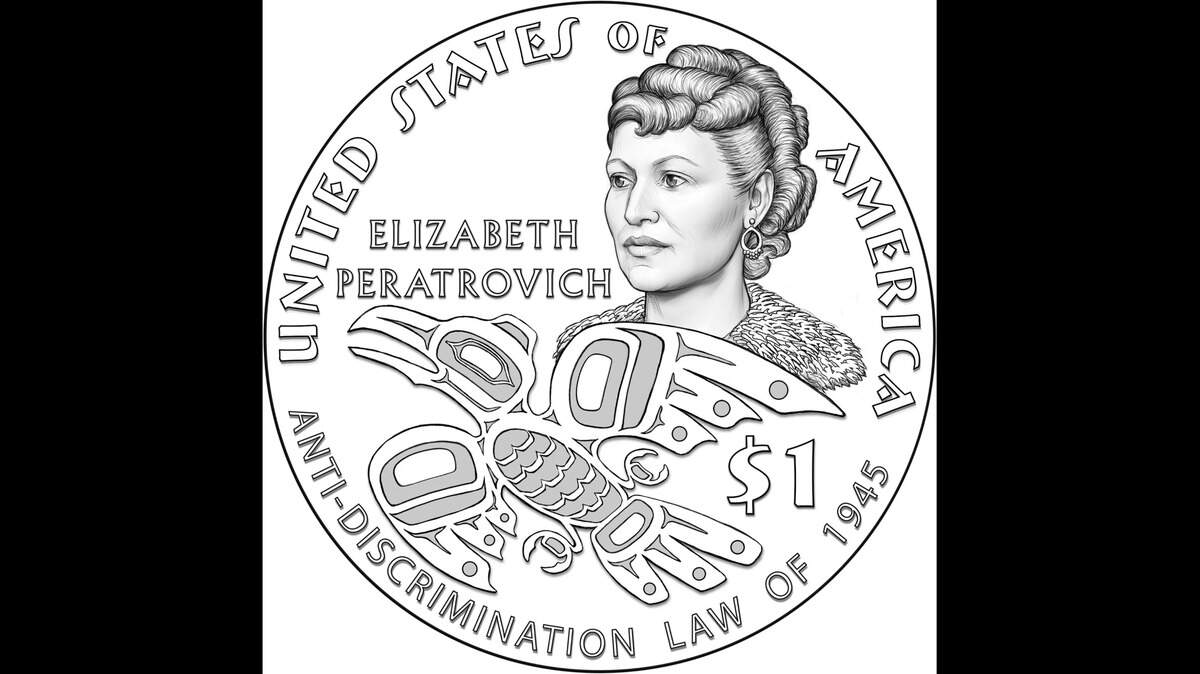
Like Molly in the episode, each member of the audience was gifted a $1 coin with Peratrovich’s image on it.
“To be able to nationally broadcast our way of life and our history is the direct result of the work that Elizabeth Peratrovich and many like her have spent their life working for and doing,” Bill said.
This story was originally published February 22, 2022 at 5:00 AM with the headline "Evergreen Longhouse celebrates Alaska Native civil rights activist Elizabeth Peratrovich."
CORRECTION: The spelling of Juneau, Alaska, was corrected on Feb. 22, 2022.