250 war-weary Ukrainian refugees could soon resettle with Tri-Cities relatives
As Russia’s war in Ukraine rages on, interest in reuniting families from the war-torn country is growing in the Tri-Cities.
Ken Primus, director of World Relief Tri-Cities, said his organization already helps resettle about 60 Ukrainians in the U.S. every year.
“We’ve had about 500 in the last five years, and 350 of those have been Ukrainian,” he told the Herald.
As millions flee the war, that’s likely to increase — though by how much and how soon is unclear.
The organization plans this year to bring about 250 refugees with family ties to the area, including Ukrainians who’ve been waiting dozens of months.
Since applications for the Lautenberg Amendment — World Relief’s primary family reunification program — opened two weeks ago, they’ve received about 40 calls from Tri-City Ukrainians looking to get family members out of the country.
“Some have 12 members, others are just a single person,” said Svetlana Sinyuk, who works on World Relief’s immigration legal services team.
That means hundreds will soon join the organization’s 1,000-person wait list, which has been growing steadily for several years as political tensions have risen in the Slavic nation.
It could be about 2 1/2 years before those refugees fleeing the war are resettled here.
Primus said he’s unsure if those applications will be expedited due to the war, or if there’s any federal intervention being planned.
In an average year, the organization helps about 100 refugees, mostly Ukrainians, from around the world immigrate, though that number dipped during the Trump Administration and has been historically higher.
Residents formerly from Afghanistan, Myanmar, South American nations make up a majority of World Relief’s relocation efforts in Tri-Cities.
Through the Lautenberg Amendment, Primus said it’s possible they could process up to 300 annually in the coming years, most of them Ukrainians.
“A year ago, we didn’t foresee Afghanistan or Ukraine,” he said.
Inside resettlement
Sinyuk and her family sought refuge in the U.S. in 1988. As a native Ukrainian, she knows well the struggles of uprooting one life in exchange for a new one.
“It was an amazing experience, and I’m glad to be here today,” she said. “It was hard. Getting used to a new language and different people.”
Now, she works one-on-one with Ukrainians to help them reconnect with their families in the Tri-Cities. Interest in their resettlement program “jumped a lot” after the war started.
The conflict remains personal to her because she still has siblings back in the country.
The Lautenberg Amendment is a family reunification program that allows individuals legally residing in the U.S. the ability to bring their relatives to the U.S. through the Refugee Admissions Program.
The program was first enacted in 1990 to facilitate the resettlement of Jews from the former Soviet Union.
Eight organizations operate as offices for the program in Washington state, including World Relief Tri-Cities, and act as sponsors for immigrants.
Primus said his office works with the U.S.-based family through the whole process. By the time they touch down at Tri-Cities Airport, they’ll have a hot meal and a warm bed to sleep in.
Families help lead efforts to find housing for their loved ones, while World Relief assists in enrolling them in medical screenings, state DSHS social assistance, English language programs and employment help.
Over 90% of refugees are employed after four months, Primus said. Many have started their own businesses, particularly in the construction and transportation sectors.
Once they arrive here following a rigorous application process, refugees hold “permanent legal residence.” After five years, they can apply for citizenship, Primus said.
Boots on ground
After a month of intense fighting, nearly 4 million Ukrainians have fled their home country and more than 10 million have been displaced. The Biden Administration last week announced plans to accept up to 100,000 Ukrainian refugees.
Lana Savchuk, co-pastor at Hungry Generation Church in Pasco, founded by Ukrainian immigrants, led a work group a few weeks ago to the Ukraine-Poland border, where most of the refugees are arriving.
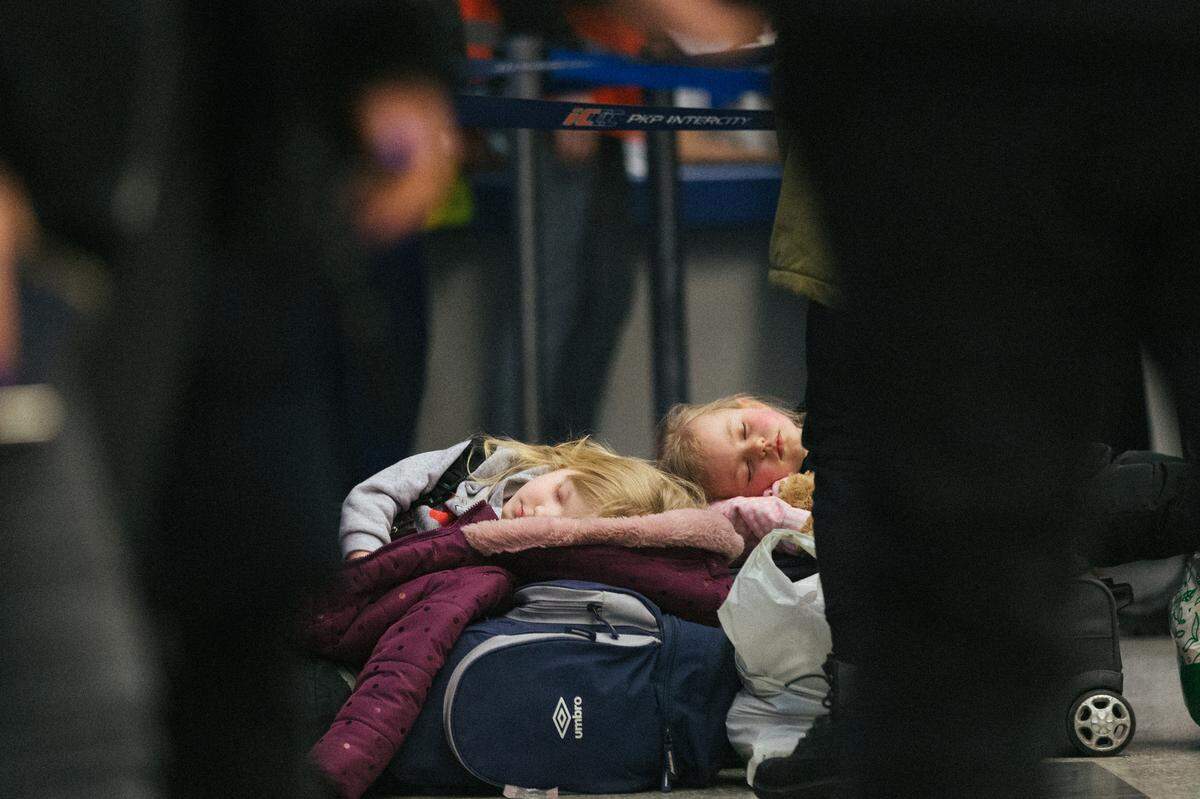
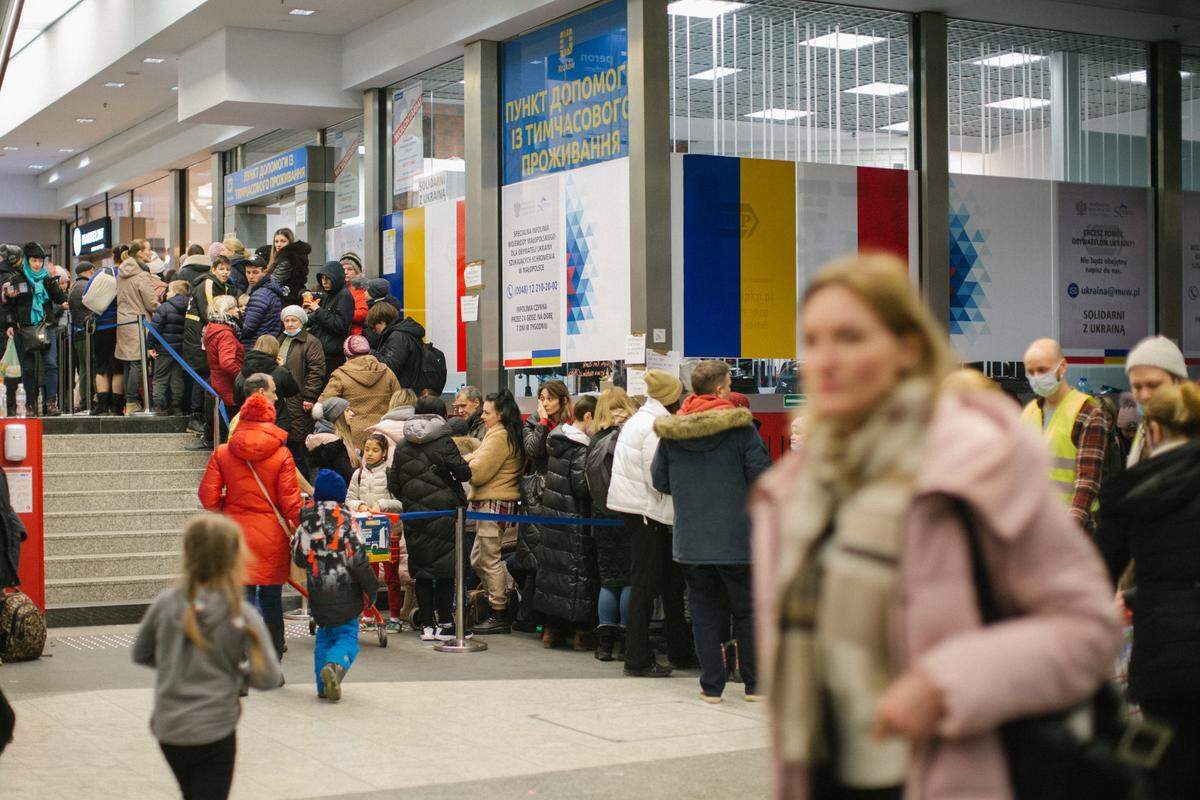
At a train station in Krakow, Poland, they saw travel-weary women and children arrive.
“It’s hard to describe. It’s kind of horrible, honestly. It’s horrible and was very unique to see those kinds of refugees,” Savchuk said of the “confused and distraught” families.
“They look exhausted. They look very hopeless and loss. They don’t know what to do next,” she added.
Many were dressed in clothes similar to U.S. wear, Savchuk said, with children, luggage and winter coats in hand.
An old mall is being used to house fleeing Ukrainians, Savchuk said.
Her husband’s nonprofit, Vlad Savchuk Ministries, has so far raised about $700,000 that they’ve used to sponsor temporary housing for refugees, and assist on-the-ground NGOs and organizations.
Funds also have been used to pay for a new van for a Ukrainian church doing work there, and for distributing mobile baby carriers for mothers who have so far traveled hundreds of miles with a child in one hand and luggage in the other.
How to help
World Relief Tri-Cities is currently accepting donations of pots and pans, cookware, utensils, towels, bed linens, lamps and gift cards that will benefit refugees relocating to the Tri-Cities.
Financial and vehicle donations are also being accepted.
Tri-City residents can also volunteer their time as an employment coach, good neighbor mentor or English language tutor.
Vlad Savchuk Ministries is also accepting financial donations online to benefit humanitarian aid.
This story was originally published April 4, 2022 at 5:00 AM with the headline "250 war-weary Ukrainian refugees could soon resettle with Tri-Cities relatives."