World’s largest moth is found in WA. Watch out for these other harmful moths in the state
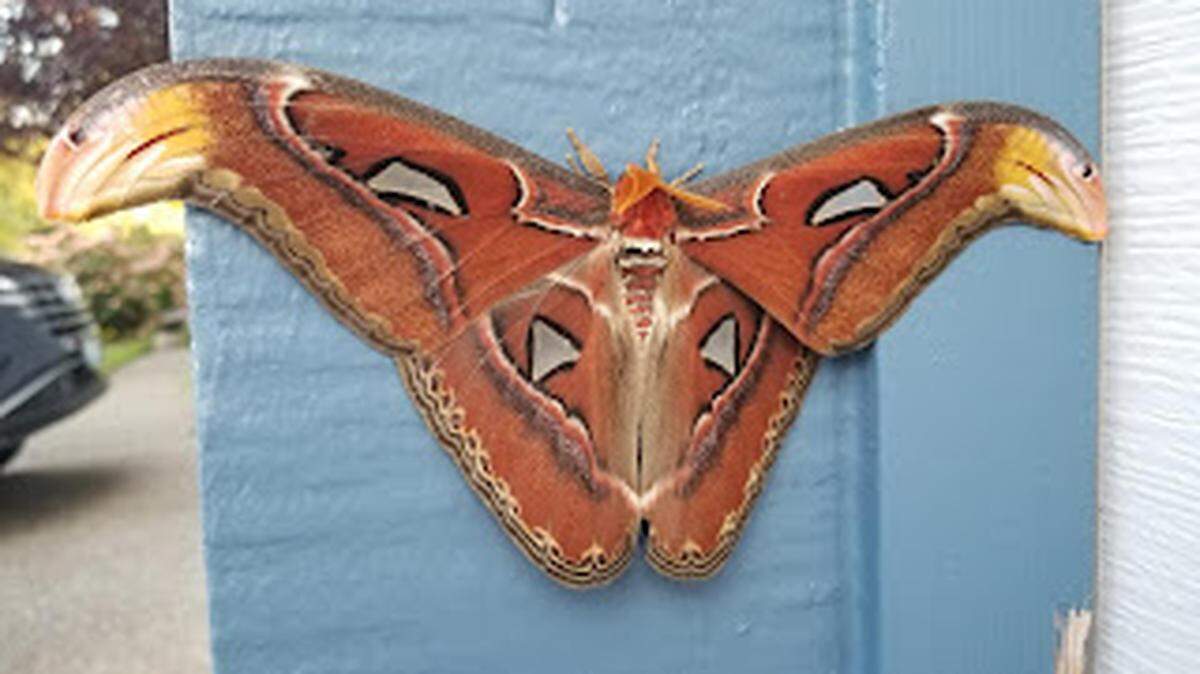
The world’s largest moth was found in a Washington state home, although the species is usually only found in the tropics.
The moth was identified by officials as an atlas moth, the largest moth species in the world that can have a wingspan of 10-inches, according to previous reporting from McClatchy.
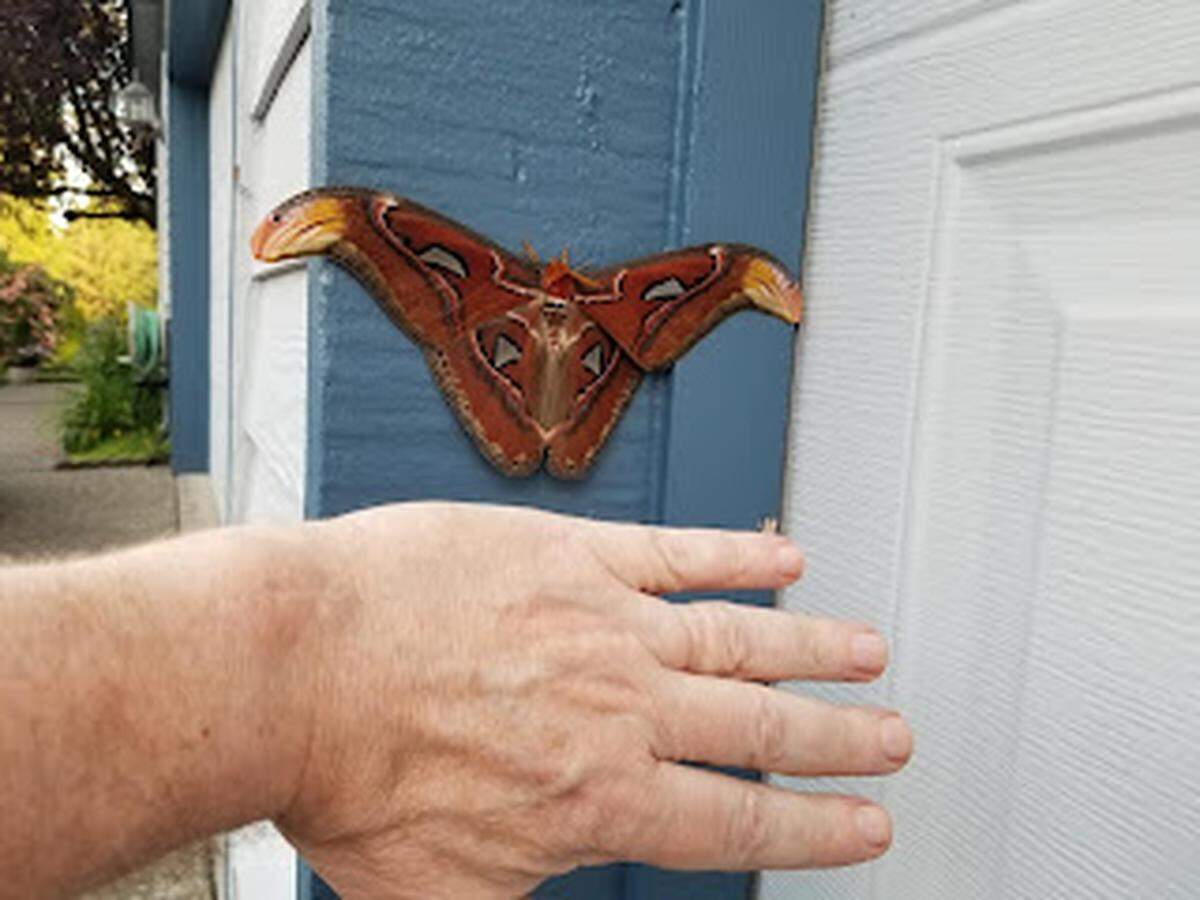
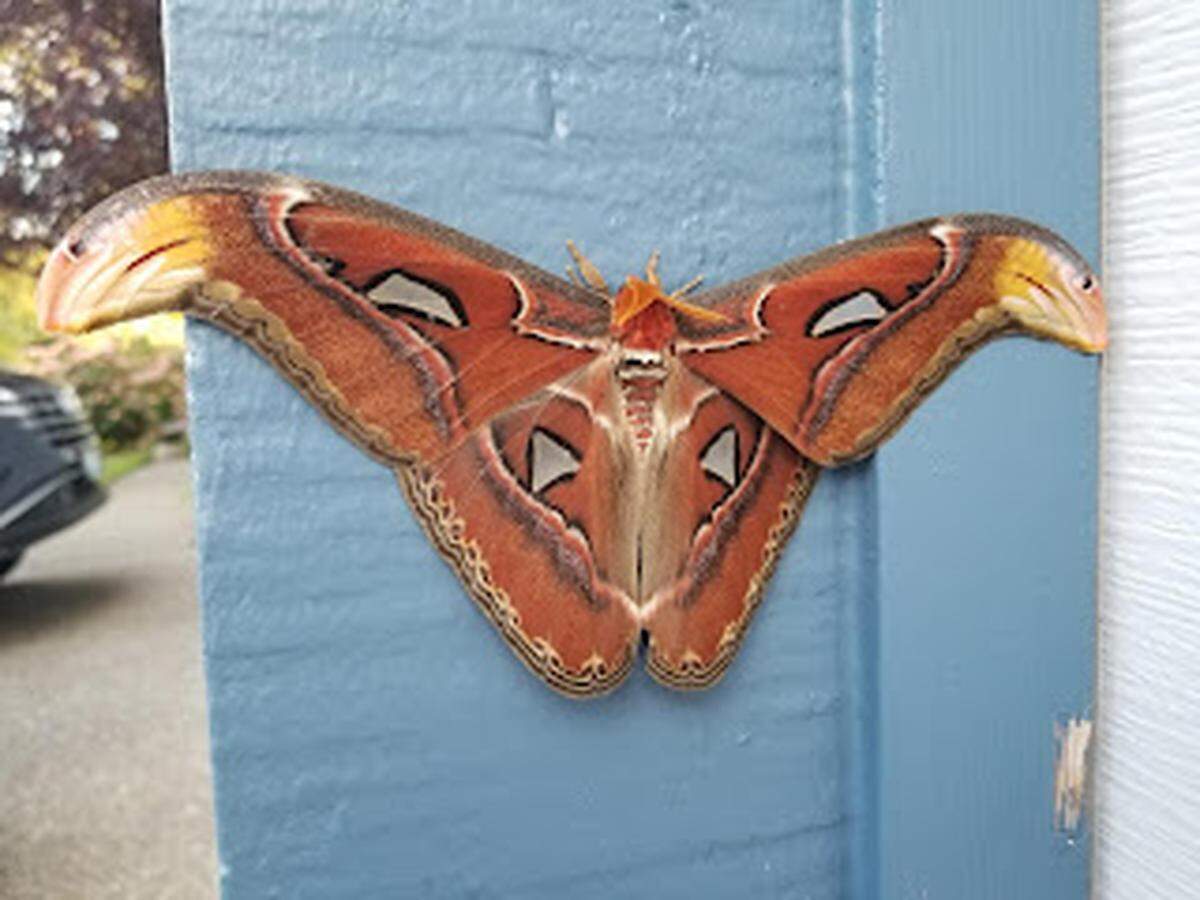
Since the surprising sighting, the Washington Department of Agriculture is asking state residents to be on alert for more atlas moths, and if you spot one, take a photo and contact pestprogram@agr.wa.gov.
In the United States alone there are over 11,000 species of moths, according to the Smithsonian Institution. But Washington is also home to other species of moths that could be mistaken as the atlas moth.
Washington moth species
Washington is home to a few species of moths according to the Washington Department of Fish and Wildlife. If you see any of these species, the Washington Department of Fish and Wildlife asks that you fill out a wildlife reporting form online.
Copablepharon Columbia moth (Copablepharon Columbia)
The Copablepharon Columbia moths are commonly found in sand dunes near the Columbia Basin in eastern Washington, but their population is critical and declining.
The Copablepharon Columbia moths are medium-sized moths and are a dusty yellow or tan color.
Copablepharon mutans moth (Copablepharon mutans)
The Copablepharon mutans moth are in the same family as the Copablepharon Columbia moths, and live in the same habitat in sand dune in eastern Washington. Their population is also declining.
The Copablepharon mutans moths are also a dusty yellow or tan color, but are typically a darker shade of brown and yellow than its relatives, according to Pacific Northwest Moths, a informational website on the species.
Copablepharon viridisparsa hopfingeri moth (Copablepharon viridisparsa hopfingeri)
The Copablepharon viridisparsa hopfingeri moth is also in the same family as the Copablepharon mutans and Copablepharon Columbia moths, living in the same habitat in the sandy dunes of Eastern Washington and along the Columbia River.
Copablepharon viridisparsa hopfingeri moths are light beige or a dusty yellow color.
Sand-verbena moth (Copablepharon fuscum)
Sand-verbena moths are common in Washington and typically live along coastlines, such as the Salish Sea and the Straits of Juan de Fuca.
Sand-verbena moths are larger than other Copablepharon moths and have an average wingspan of 1.5 inches. The moths’ color ranges from light to dark brown with yellow or black dots.
Spongy moths
Spongy moths were not listed on the Washington Department of Fish and Wildlife species list, but are commonly found in Washington state, according to the Washington State Department of Health.
Spongy moths are extremely invasive and hard to control as they have no predators or diseases. As caterpillars, they can eat hundreds of species of plants and trees.
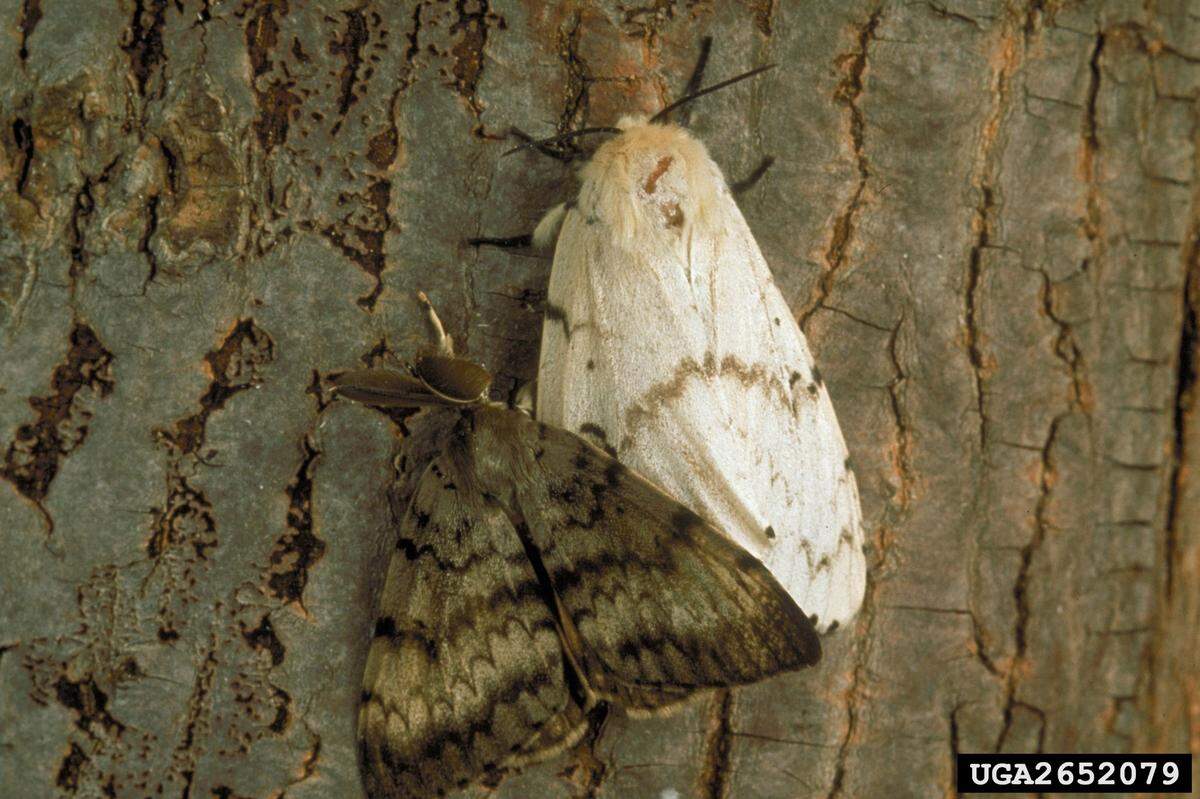
Female spongy moths are a light cream color with small brown stripes on their wings, according to the Washington State Department of Agriculture. Male spongy moths are generally darker colored than females with dark stripes on their wings.
Polyphemus Moth, Antheraea polyphemus
According to Washington State University, other larger species of moths live in Washington and are part of the Saturniidae or Sphingidae families.
One example is the Polyphemus Moths that can have wingspans around six inches long and have a burnt orange color. Other large species that have been spotted in Washington include the Ceanothus silkmoth, Gallium sphinx and Underwing moths.
Other large moths in Washington can be identified by using Washington State University’s moth index resources.
Clothes-eating moths
As autumn is around the corner, you may be getting out your fall sweaters only to find that a moth got into your closet and ate holes through it.
These are webbing clothes moths and casemaking clothes moths.
These moths are from the Tineidae bisselliella family, and are common around the country and are known for their larvae eating clothes and other fabrics, according to Terminix, a pest control company.
These moths like the dark and lay their larvae in keratin-rich materials such as clothing, and as they grow, they eat your wool sweaters.
Terminix recommends getting professional help if you have moths in your home, or using cedar to repel the clothes-eating moths, as well as storing things well and cleaning regularly.
This story was originally published August 19, 2022 at 5:00 AM with the headline "World’s largest moth is found in WA. Watch out for these other harmful moths in the state."