
WA Hispanics suffer high rates of long COVID. UW study launched to find out more
Hispanics in Washington state have had higher rates of infection and death from the COVID-19 pandemic than the general population.
And if national statistics hold for the state, they also have higher rates of long COVID, or lingering effects of the virus.
But the co-director of the Latino Center for Health at the University of Washington, suspects that many people in Latino communities in the state don’t know they have long COVID.
“They’re feeling badly. They’re having brain fog. They’re just not doing well, but they don’t exactly know why,” said Dr. Leo Morales, co-director of the center and a professor of medicine at the UW School of Medicine.
The Latino Center for Health has launched a study to better understand the extent and impact of long COVID on Washington state’s Latino communities.
Partners include SeaMar Community Health Centers, the Allen Institute for Immunology and the Yakima Farm Workers Clinics, which has the Tri-Cities Miramar Health Centers in Kennewick and Pasco.
Franklin County has a 54% Hispanic population and Benton County is 24% Hispanic, according to the 2020 U.S. Census.
People who are ages 18 and older who have had a positive COVID-19 test result are being selected by random sampling and contacted to complete a survey for the study.
It will include questions about symptoms, their medical history, whether they received the COVID-19 vaccine, their physical and mental health, and their social and economic situations.
They also will be asked if they are interested in participating in a follow-on clinical study being planned in collaboration with the Allen Institute for Immunology.
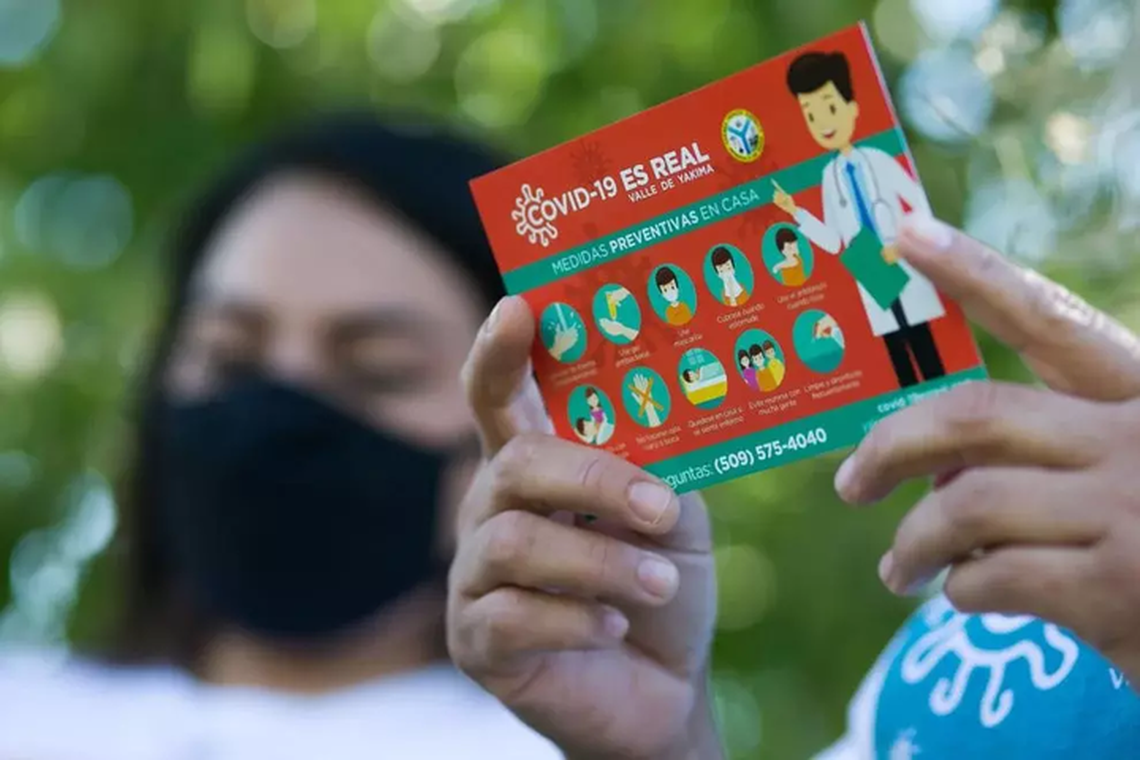
The study will look at the potential roles in long COVID of the immune system and health conditions, such as obesity and diabetes, which are more common in Latino populations.
The study’s goal is to help improve the care of Hispanics with long COVID and also help guide policymakers in the development of appropriate long COVID services for Hispanic communities.
“There may be many Hispanics or Latinos in the state that don’t recognize they have long COVID,” Morales said.
Helping them understand their illness and guiding them to evaluation and treatment is important, particularly since access to care may be a challenge for many Hispanics, he said.
According to the U.S. Centers for Disease Control and Prevention, Latinos have the highest rates of long COVID.
About 9% of Hispanic adults report symptoms, compared with 7.5% of all U.S. adults.
“COVID has had a much bigger impact on Hispanics or Latinos in our state than other groups,” Morales said.
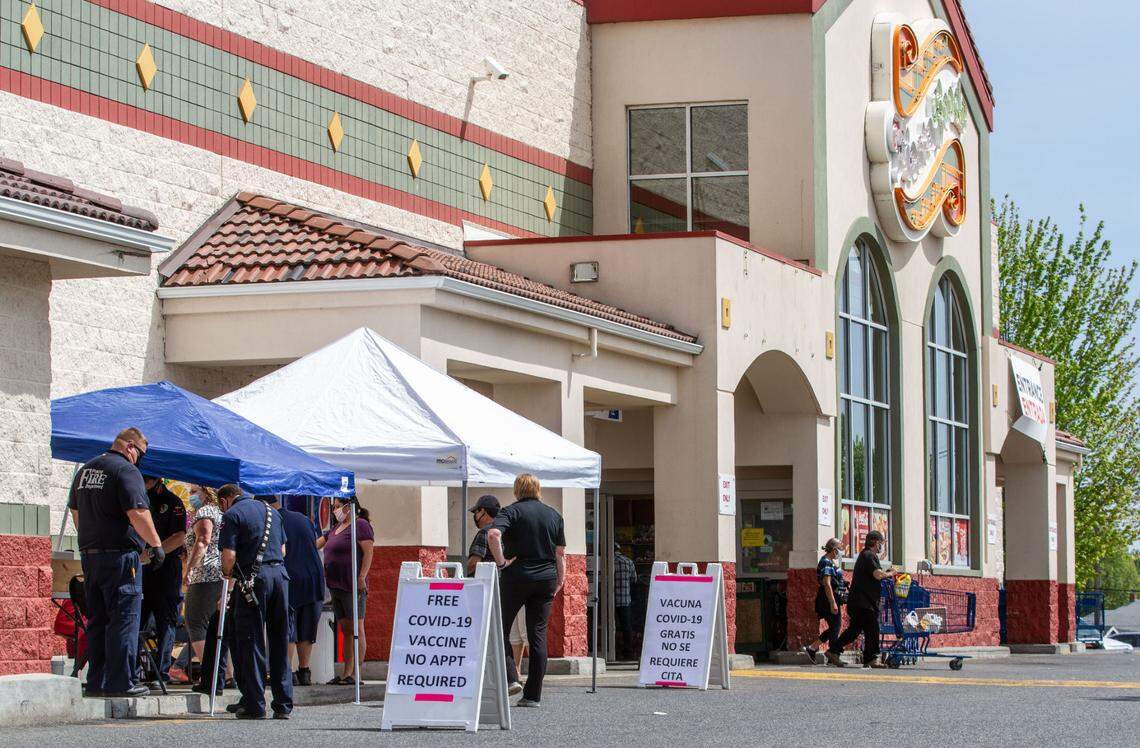
Not only do Latino communities in Washington state have higher rates of COVID-19 infections than other populations, but they have higher rates of hospitalization and higher rates of mortality when statistics are adjusted for age, he said.
“Yet we are not seeing many people from Latino communities showing up in our long COVID clinics,” Morales said.
The survey will use the World Health Organization’s definition of long COVID, which include symptoms that began within three months of infection with the coronavirus, have persisted at least two months and cannot be explained by other diagnosis.
Symptoms may include fatigue, trouble thinking, pain and difficulty breathing. If they continue, people should seek medical care, Morales said.
This story was originally published February 28, 2023 at 5:00 AM with the headline "WA Hispanics suffer high rates of long COVID. UW study launched to find out more."