‘Some people think we’re crazy’: Why these students say you should try cold plunging too
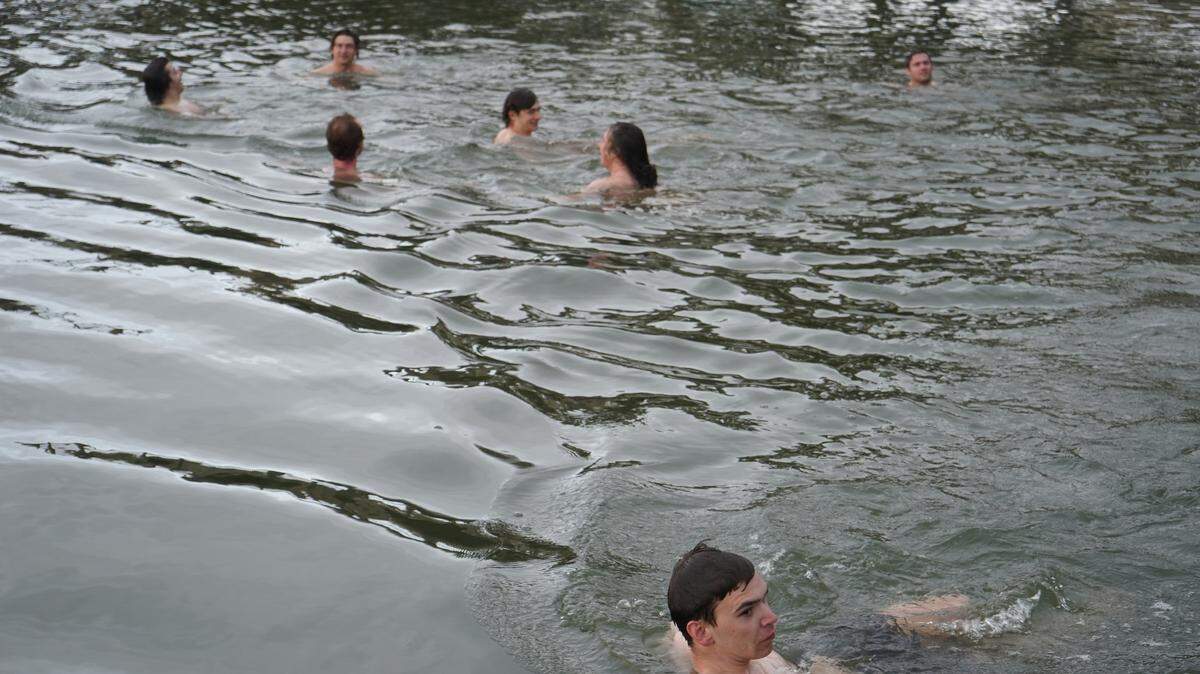
A group of students at Western Washington University jumps off Taylor Dock every evening to plunge into the cold water. They say you should join them.
Caleb Barville is a Western student studying geology and marine and coastal science. He got into cold plunging last summer while he was working as a kayak guide around the San Juan Islands. Then he started jumping into cold water every day during the winter.
“It always really energized me,” Barville said in an interview with The Bellingham Herald. “It was a really good mental challenge and kept me going.”
Barville loved it enough to convince one of his friends to join him last November.
“We just kept going whether it was raining, snowing, icy cold.”

In January, more friends joined them, and soon, the university’s Cold Plunge Club was born. Now, the club organizes group hikes to lakes for cold plunging. The nightly plunge into Bellingham Bay has grown to about 10 people and on sunny days, that number tends to increase, sometimes up to 25 people, according to Barville.
The jumpers typically spend between five and 10 minutes in the water, which was about 47 degrees Fahrenheit on Friday, according to NOAA data. That amount of time spent in the water at that temperature won’t cause hypothermia, though a person may start to lose some feeling in their fingers and toes. Cold water risks do become more common the longer a person stays immersed in cold temperatures.
“Some people think we’re crazy for doing it,” Barville said. “For the most part, deliberate cold exposure has numerous benefits and almost no negative aspects.”
Barville says before you enter cold water, just the thought of getting in causes a release of adrenaline in the body. When you jump in, more adrenaline is released along with the happy hormone, dopamine.
There is scientific research to back this up. One study shows that deliberate cold exposure for 11 minutes each week in water that is below 60 degrees is associated with elevated dopamine levels.
“So it just makes you feel a lot better and can help alleviate depression or anxiety,” Barville said.
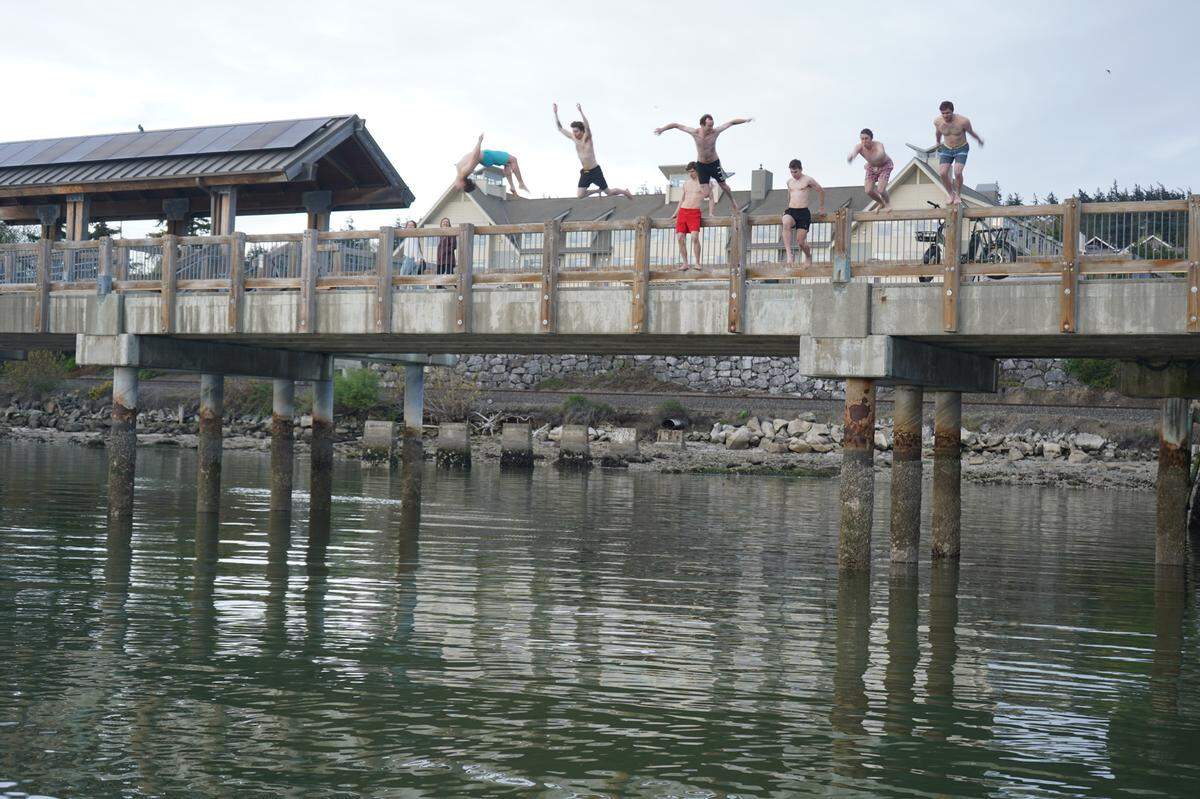
Barville says many of the club members feel positive effects from cold plunging, like increased motivation and less seasonal depression. However, much of the benefit could also be from community interaction, he said.
Other studies have found cold exposure can also help with quicker exercise recovery and resistive exercise performance, which is a form of exercise that helps build muscle strength by making your muscles work against a weight or force.
Barville says he wants everyone to try cold exposure, especially in inclement weather.
“If it’s hard for you to do, it’s going to be more beneficial to you because you’re doing something that really challenges you,” Barville told The Herald.
Still, cold water can be dangerous. It drains body heat up to four times faster than cold air and hypothermia can become a risk if exposure lasts too long. “Cold shock” can cause dramatic changes in breathing, heart rate and blood pressure, according to the National Weather Service. The organization recommends swimmers know the temperatures and conditions before going into cold water.
This story was originally published May 1, 2023 at 5:00 AM with the headline "‘Some people think we’re crazy’: Why these students say you should try cold plunging too."