WA’s San Juan Islands a top spot for orca watching. How to plan a whale watching trip
Anyone visiting northwestern Washington for the first time will receive a plethora of recreation recommendations, but perhaps the most essential is whale watching in the Salish Sea. The cold, salmon-filled waters attract whales year-round and are often filled with whale watchers.
The Travel Channel and CNN Travel both included the San Juan Islands in lists of the best whale watching locations. The Times and Wanderlust both included Vancouver Island, the Canadian counterpart to the San Juan Islands.
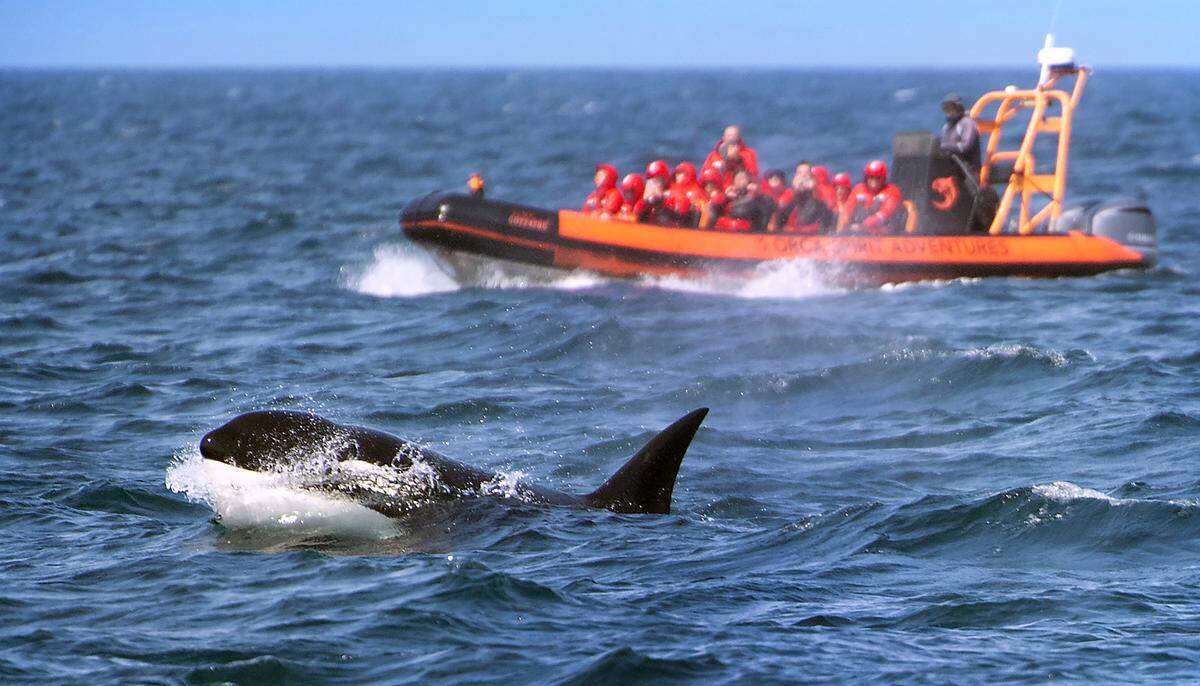
But what is it that makes the area so special?
Salish Sea whale watching
The Salish Sea features Washington’s inland waters, including the Puget Sound and the Strait of Juan de Fuca. Thousands of species inhabit its waters, from fish to reptiles to invertebrates, according to the Pacific Whale Watch Association (PWWA).
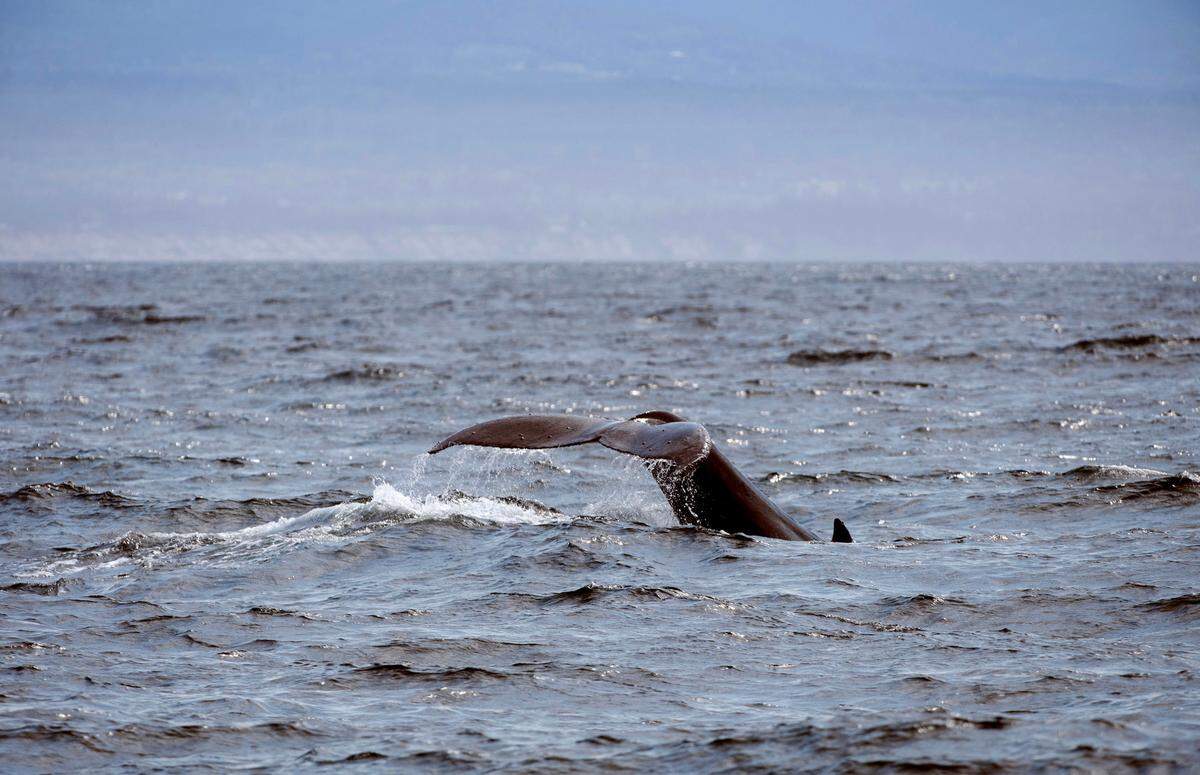
Among the most distinguishable species is the killer whale, or orca. The Salish Sea features a year-round presence of them. The most recent estimates of the Southern Resident killer whale population was around 74 in 2021, according to the Marine Mammal Commission. But transient species of orcas, like Bigg’s killer whales, also frequently appear in the Salish Sea.
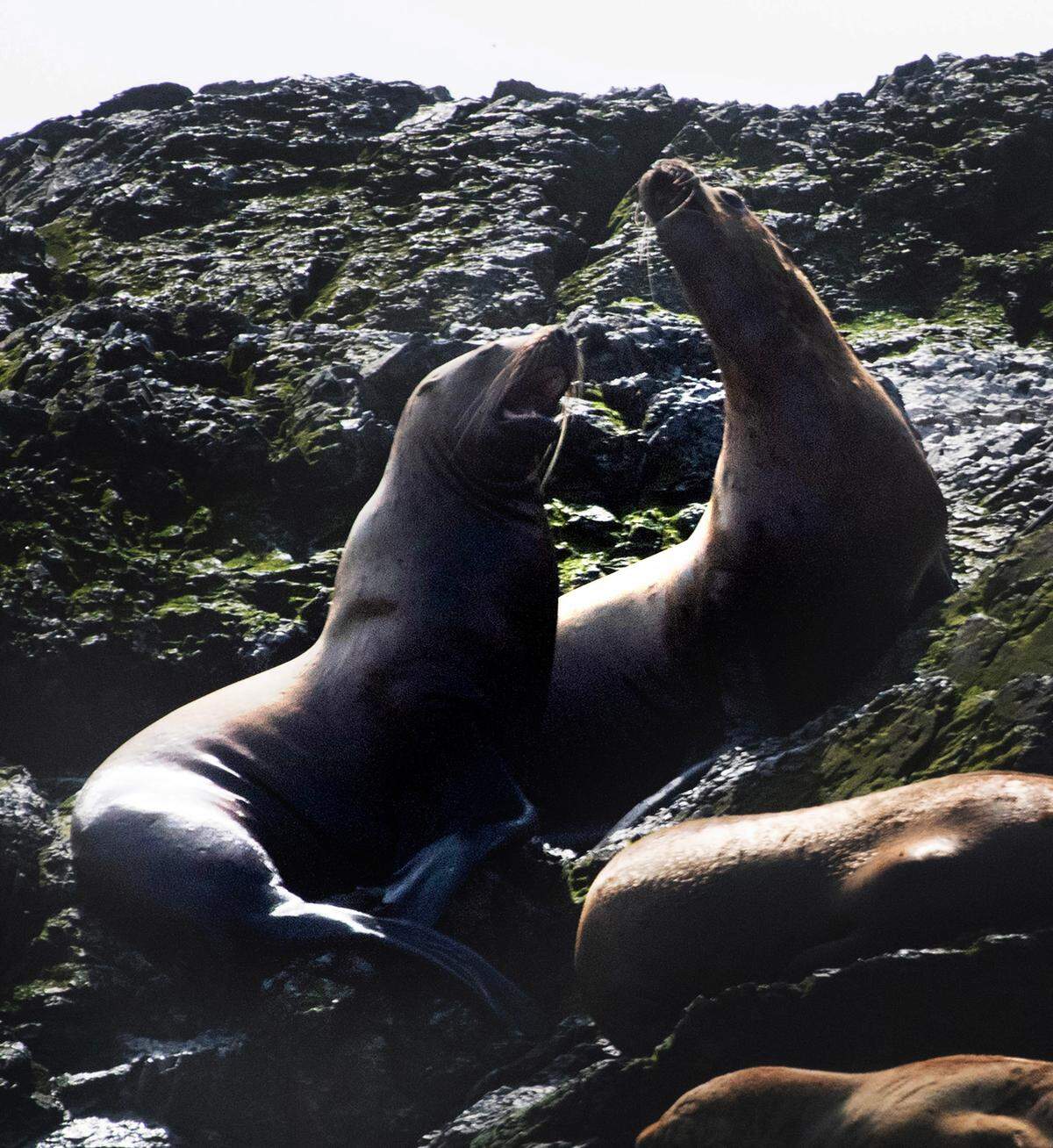
The apex predators average a length of 17 to 30 feet and a weight between 7,000 and 22,000 pounds. The female whales have an average lifespan of 80 to 90 years, males between 30 and 50 years, according to PWWA.
The Salish Sea is also home to humpback whales, gray whales, minke whales, harbor porpoises, Dall’s porpoises and white-sided dolphins. Killer whales and humpback whales in the Salish Sea broke records for appearances in 2022, according to PWWA data. The Orca Behavior Institute confirmed more than 1,200 unique sightings of killer whales in the inland Washington waters.
Sightings recorded for 2023 show the abundance of whales is holding steady.
San Juan Islands boats
One of the best way to see orcas is to join a whale watching tour. If the San Juan Islands are your destination or a spot you’d like to stop over, why not ride a ferry that features whale watching along the way?
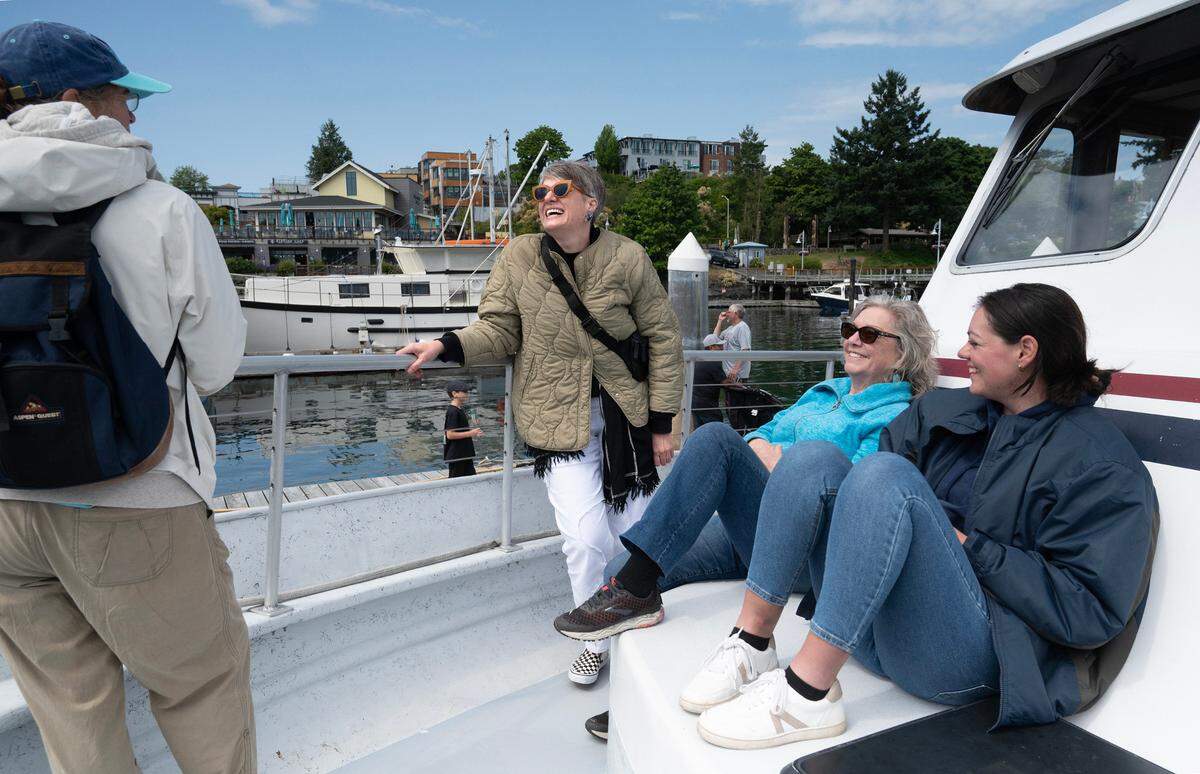
Puget Sound Express is a touring agency that offers boat rides in Edmonds, Port Townsend and Port Angeles. The company’s Port Townsend-San Juan Islands Ferry trip hauls passengers from the northeastern edge of the Olympic Peninsula up to Friday Harbor. In total, passengers will spend eight hours on the vessel and two hours on land in Friday Harbor. Alternatively, an option for a one-way ride to the San Juan Islands is available.
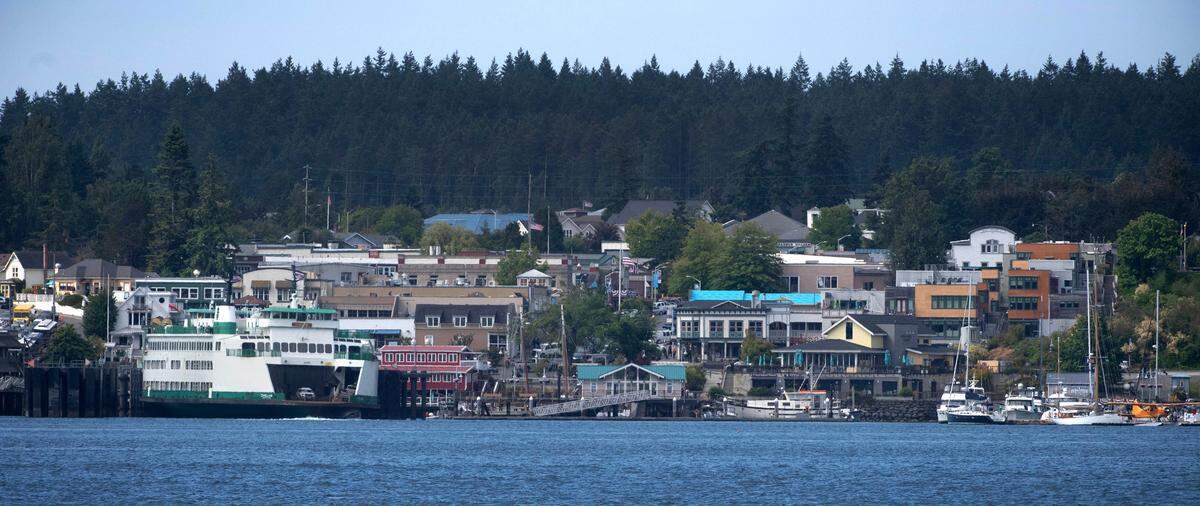
Puget Sound Express’s ferry trip is the only one route on the Olympic Peninsula that brings passengers from Port Townsend to the San Juan Islands, according to company manager Sarah Henke. She said in a recent interview that part of the appeal of whale watching is just being on the water.
“It’s kind of like a road trip, right? But you’re doing it on the water,” Henke said.
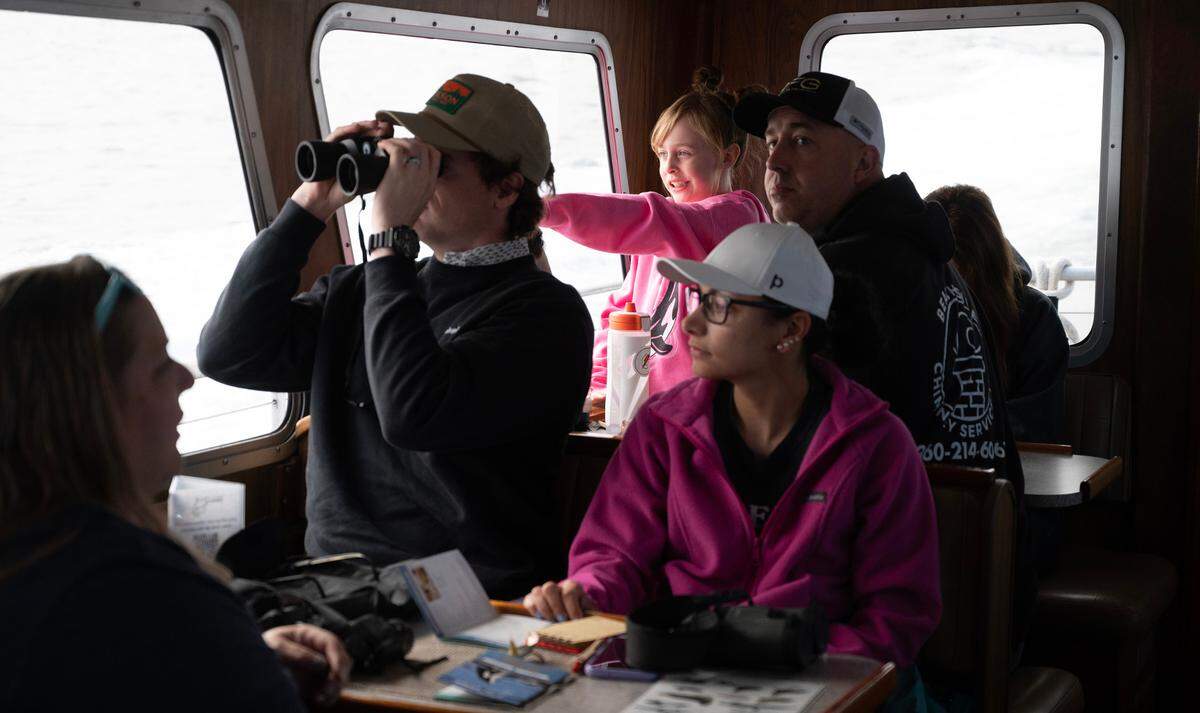
Henke also notes that if you’re on a whale watching ferry trip, a naturalist will be on board to educate riders about Washington state history, important geographic history in the surrounding area, and all the kinds of wildlife one might expect to see.
Henke says that in June, passengers could see whales on every Puget Sound Express ferry trip. Every trip is a different experience, she adds.
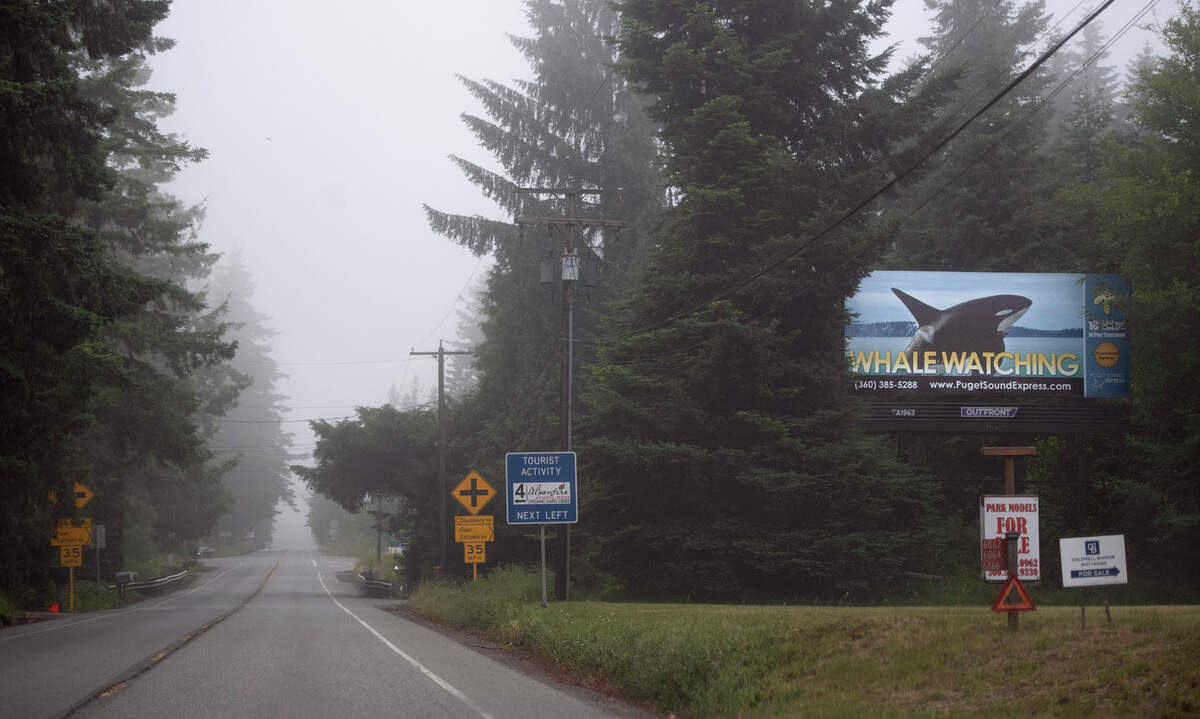
“When I used to crew on the boats, I would always end the day and tell people: no matter where you are in the world, if you have a chance to see wildlife, go,” Henke says. “Because I can guarantee that every single time you see wildlife, it will be different.”
After you arrive on the San Juan Islands, here is a list of available whale guide services:
- Outer Island Excursion: Boating trips are available at Anacortes, Orcas Island and Lopez Island.
- All Aboard Sailing Whale Watch: Sail on a pilothouse sloop out of Friday Harbor.
- San Juan Outfitters: Board a kayak and search for orcas on this five-hour trip. The trip is based out of Friday Harbor.
- Western Prince Whale & Wildlife Tours: Adventure out into the water on a Zodiac boat from Friday Harbor. The tour lasts three hours.
- Deer Harbor Charters: Search for killer, minke and humpback whales with this touring agency at either its Deer Harbor or Rosario locations on Orcas Island.
Southern Resident killer whale protection
Southern Resident killer whale species numbers are dwindling, prompting laws in Washington State for boats near whales. There are also recommended practices for ethical whale watching, through the Be Whale Wise organization and the International Whaling Commission.
There are numerous factors impacting the population’s fight for survival, according to Joel Elliot, a University of Puget Sound biologist. In an interview with McClatchy, he outlined the following:
- Southern Resident killer whales’ main food sources is Chinook salmon. Low salmon runs lead to less breeding and possible starvation.
- Starving orcas release a toxin that compromises their immune system.
- Noise from boats and rain can impact their ability to search for prey, as it interferes with echolocation.
Since Southern Resident orcas are so sensitive to noise, boats and ferries are resorting to using jet propulsion vessels, which produce less noise underwater, Henke says. She adds that slowing down the boat gradually when it comes to a stop results in less noise.
“So if we slow down a mile or half a mile, getting on scene with wildlife, that dramatically helps [reduce noise],” Henke says.
WA whale watching
In Washington State, boats are legally required to leave 300 yards on its sides between any killer whales. If the boat is in a whale’s path, in front or behind, 400 yards of space are required. When whales are within a half mile of the boat, do not go faster than seven knots. If whales appear within 300 yards, cut the engine.
You also cannot feed orcas. Failure to follow whale protections could result in a $500 fine.
The Washington Department of Fish and Wildlife also issued an emergency rule for specific members of returning whale pods due to “poor condition.” Commercial whale-watching boats now have to stay at least a half nautical mile from 11 of the whales.
These state rules are only for Southern Resident killer whales, as they have been an endangered species since 2005. For all other mammals, the rule is 100 yards of space. Whale warning flags are available, so you can inform fellow boaters of a whale’s presence. If you see the white flag featuring a yellow and red circle with a black whale tail, proceed with caution.
There is also increasing popularity and promotion for land-based whale watching on the Pacific Coast. It is easy to spot many species of whales and other marine life without boarding a boat at all while on the San Juan Islands.
This story was originally published July 17, 2023 at 5:00 AM with the headline "WA’s San Juan Islands a top spot for orca watching. How to plan a whale watching trip."