Waiting to help until someone is homeless costs Tri-Cities taxpayers 3 times more
READ MORE
Hunger, homelessness and mental health
The Tri-City Herald is putting a renewed focus on covering issues related to hunger, homelessness and mental health. Here are some of the stories, and how you can help.
Expand All
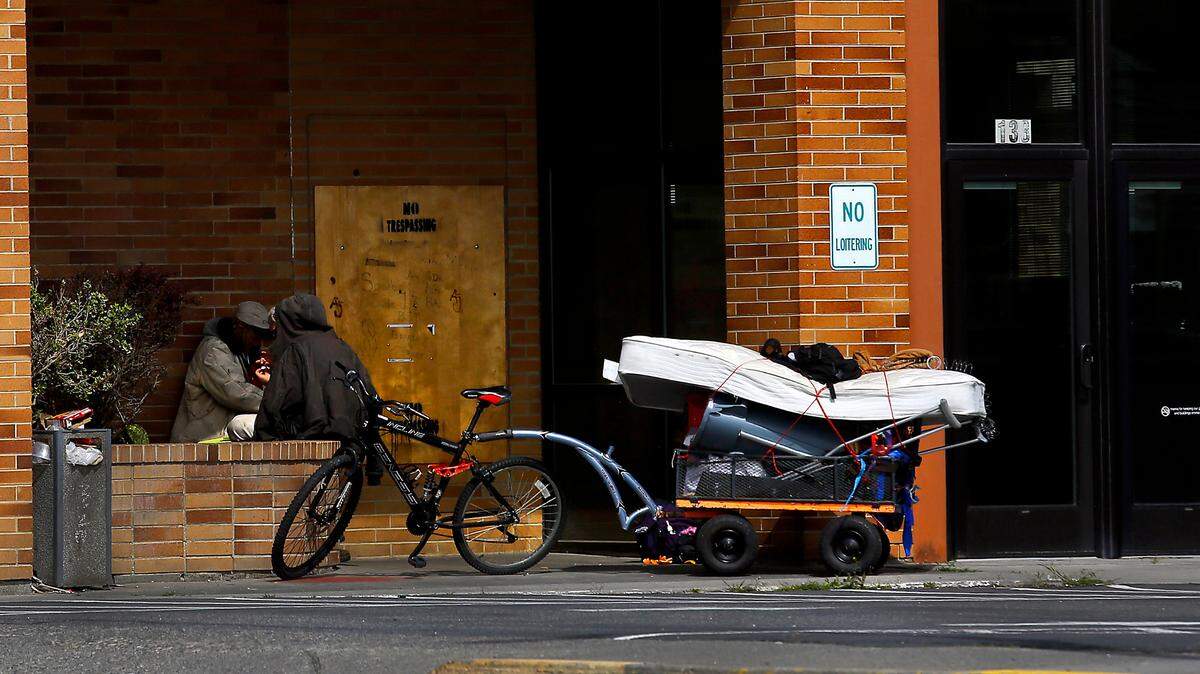
Waiting to help until after someone becomes homeless is costing Tri-Cities taxpayers far more than just prevention programs would.
An analysis of program costs compiled by the Washington Department of Commerce shows that prevention programs in the Tri-Cities cost taxpayers an average of $18 each day, compared to $62 daily to support emergency shelters.
Even rapid rehousing programs, to help someone at risk of eviction find a new place to live, come in at half the cost of emergency shelter.
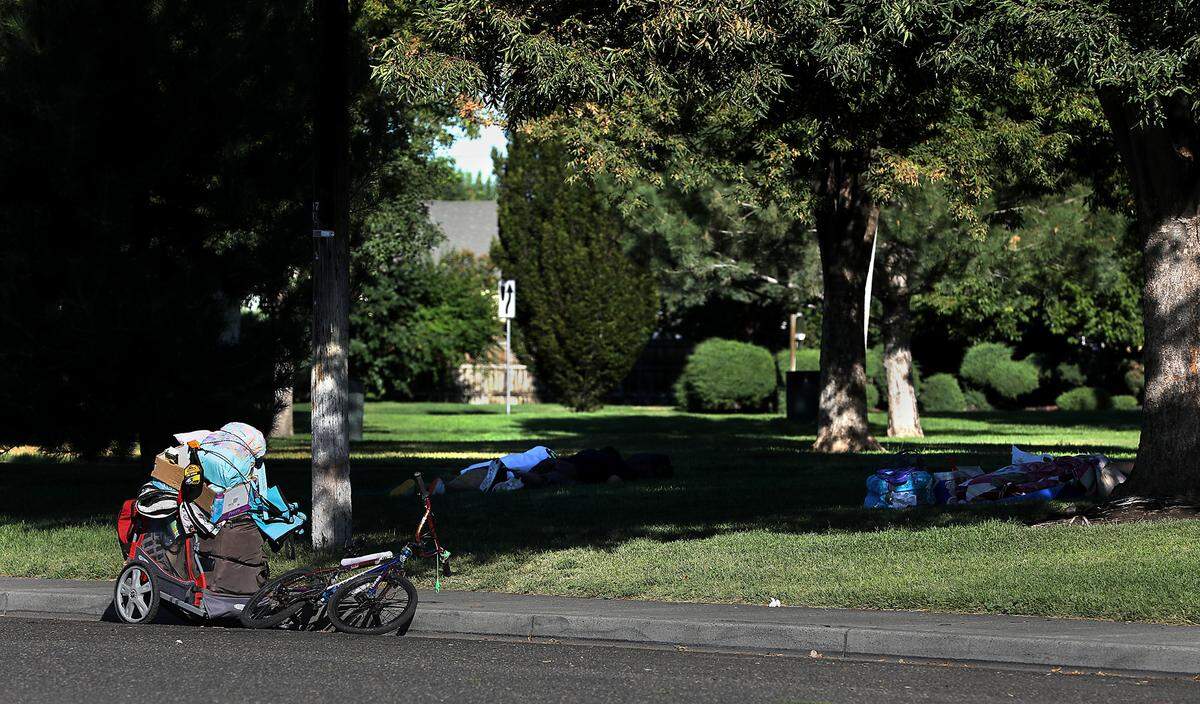
The state’s definition of emergency shelter is the cost to get someone out of a situation where they are sleeping somewhere not meant for habitation. It can include shelters like the Tri-City Union Gospel Mission or just paying for a hotel room for a family living in their car.
Not all residents of the shelter would be considered “emergency” by the state though, as Gospel Mission offers longer term options for people enrolled in programs to help them build long-term success.
Tri-Cities housing officials say the pandemic-related funding boosts to homelessness prevention programs prove that these initiatives are working. But that money has dried up, while demand remains high.
Unless something is done about the funding, that’s going to cost taxpayers a lot more in the long run.
United Way of Benton and Franklin Counties President LoAnn Ayers likened it to only being able to get medical care at the emergency room. The problems compound until it’s an emergency, and then it’s much more difficult — and expensive, to fix.
“It’s pay me now or pay me more later,” Ayers told the Herald.
In addition to nonprofits and community members pitching in, Ayers said Tri-Citians can also support their local elected officials as they ask state and federal lawmakers to find a way to replace the outgoing federal boosts to homelessness prevention and rapid rehousing programs.
The numbers show that these programs also lead to much better outcomes, and leave recipients less likely to fall back into homelessness.
Cost of homelessness
An analysis from the Municipal Research and Services Center, a Washington nonpartisan nonprofit that analyzes government policies and spending, concludes that “preventative measures are by far the most cost-effective way to address homelessness.”
Homelessness prevention programs cost taxpayers just $18 a day in Benton County, while rapid rehousing costs averaged $34 and emergency shelter cost $62, according to the Department of Commerce’s 2022 Homeless System County Performance report card.
The cost to successfully take someone from emergency housing or rapid re-housing to permanent housing averaged about $10,000.
In Franklin County the cost per day for homelessness prevention programs was just $19.
About half of all participants tracked fell into that category. Rapid rehousing was the second largest category with 41 participants, at a cost of $37 per day. Emergency shelter costs were $98 per day, with four total participants.
Because these participants were higher need, the cost per exit was much higher.
The research center’s statewide estimates show similar savings. Their 2019 numbers show prevention costs at $16.55 per day compared to $30.21 for supportive housing, $28.98 for transitional housing and $36.77 for emergency shelter.
The cost for successful exit for prevention averaged $4,202 compared to $15,805 for transitional housing and $11,114 for emergency shelter.
The research center’s analysis stated that “the most effective way to address homelessness is through prevention. Prevention results in fewer individuals being displaced from their current residences, often accomplished through governmental programs.”
That means preventing homelessness by helping people keep their housing it costs about half as much as re-housing them and only a quarter of what it would cost to help them in an emergency shelter.
Ayers said the people most at need for this type of service are likely to be senior citizens on a fixed income or people fleeing domestic violence.
In 2022, about half of the people in these programs fell into those categories or had a history of homelessness.
Benton and Franklin Counties didn’t have cost breakdowns for transitional and supportive housing, but in other counties those costs tend to fall between the average per day cost of rapid re-housing and emergency shelter.
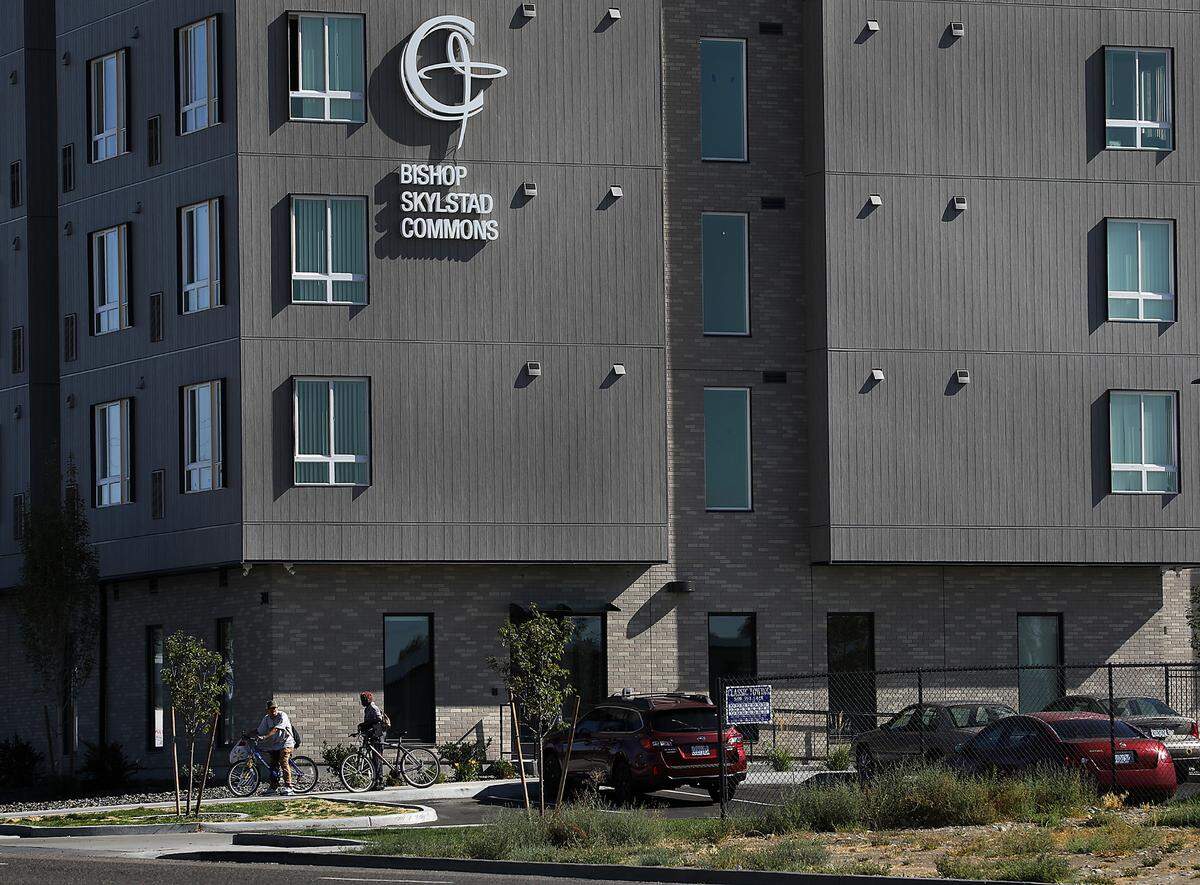
Catholic Charities of Eastern Washington opened Bishop Skylstad Commons in Pasco earlier this year. It is the first large supportive housing project in the Tri-Cities.
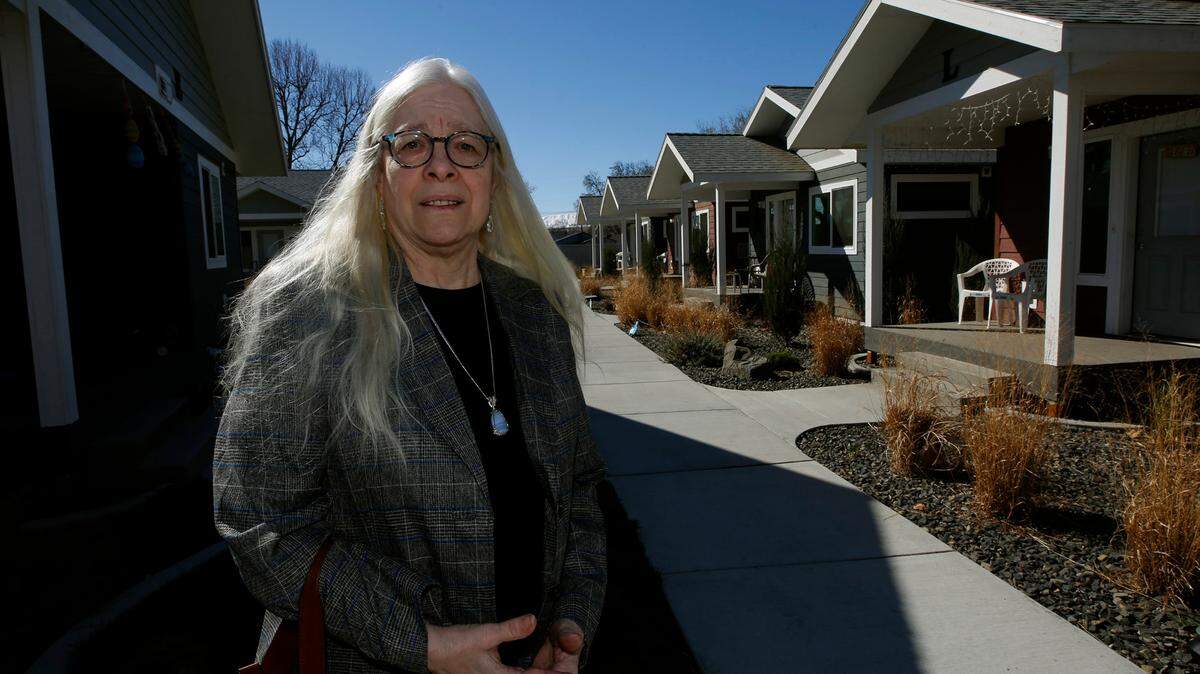
Rent is determined on a sliding scale based on a percentage of income, typically one-third. Kennewick Housing Authority employs a similar model at its tiny house village.
Statewide there were 74,300 in homelessness prevention and response programs in 2022.
The average length of homelessness in the state was 208 days, with 38% of recipients moving on to permanent housing and 10% returning to homelessness.
The statewide cost of running the programs amounted to $57 a day for homelessness prevention programs, $48 per day for rapid rehousing, $64 a day for emergency shelter and $66 per day for transitional housing.
The costs of running these programs is significantly cheaper in the Tri-Cities than the Seattle area, and the outcomes are better across the board, according to the data.
How many are at-risk in Tri-Cities?
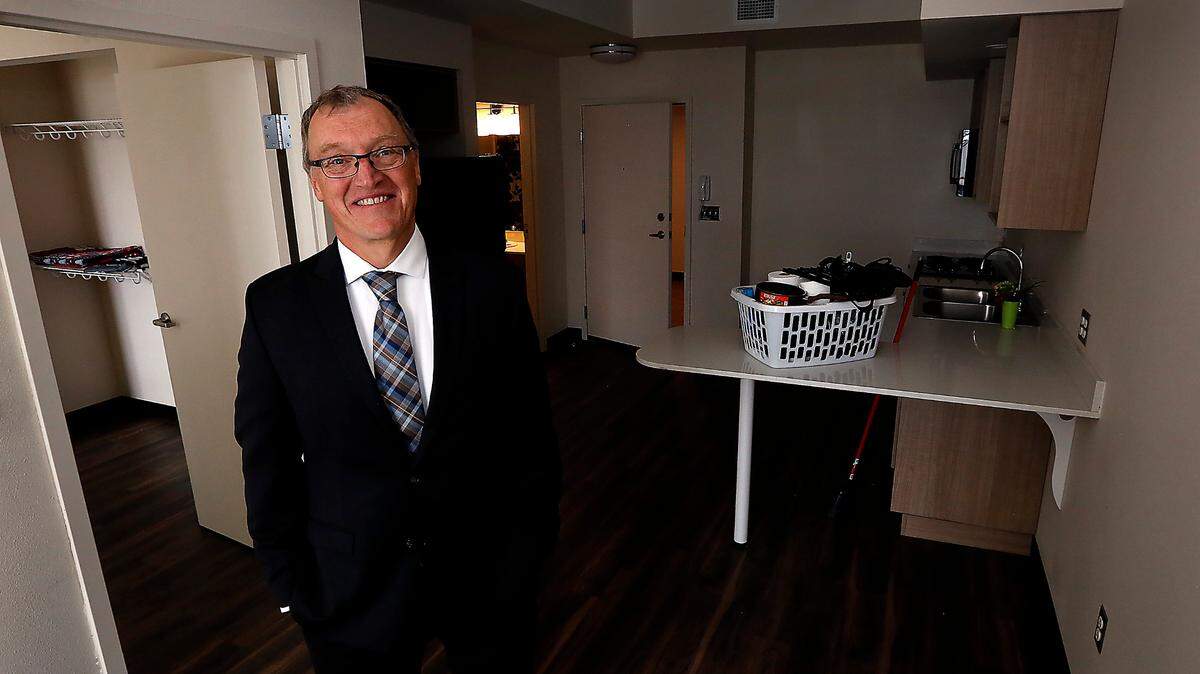
Benton County Human Services Director Kyle Sullivan said one of the biggest challenges they’re facing right now is how to continue paying for rapid rehousing and eviction prevention at the level it’s being requested.
The federal funds had enabled them to help most applicants, but now they’re having to prioritize people at the highest need, at a time when rent has risen dramatically in the Tri-Cities, while vacancy rates have only eased up to about 5%.
While it’s illegal to discriminate against renters, landlords do have legal avenues to deny applicants such as credit requirements and income thresholds.
A single mother fleeing domestic violence might not have income at all, to say nothing of earning the standard three times the rent. That means if a two-bedroom apartment is renting for $1,500 per month, they would need an income of $54,000 to qualify.
Working a full 40 hours per week at Washington’s $15.74 minimum wage only brings in about $32,800 annually.
Nearly 6,000 in the Tri-Cities are considered at-risk of falling into homelessness or already are, according to the state’s 2023 Continuum of Care snapshot, which uses data from enrollment in social services programs.
That count shows 4,086 people are considered either homeless or in emergency shelter in Benton and Franklin counties. And 5,854 are considered unstably housed or homeless.
That’s up 7% year-over-year, and 34% higher in the past five years.
While data from the state Department of Commerce’s Continuum of Care dashboard shows that people needing aid programs has risen, the number of people contacted during the Point in Time count fell.
Those contacted during the Point in Time count are considered the people with the most critical need, and often face the most difficult path to obtaining and keeping assistance. It is a nationally mandated count that every community participates in, allowing community leaders and volunteers to make in-person contact with people experiencing homelessness.
This year’s Point in Time homeless count reflected lower numbers of people experiencing homelessness, thanks in part to the successful voucher programs that helped keep many people housed.
The count typically provides cities with a look at the daily challenges unhoused people are facing. While this year’s count reflected the success of pandemic related housing aid in getting people off the street, unfortunately, most of that aid ended last month.
The 2023 Point in Time count was conducted at the end of January, and found about 150 people either unsheltered or in emergency housing. In Benton County, 37 were considered unsheltered and 15 were in Franklin County. Another 89 who were in emergency housing were contacted in Benton County.
Fewer than 11 people who said they were currently in emergency housing were contacted in Franklin. The count masks any number low enough that it could be used to identify participants.
That number represents the people volunteers made contact with in homeless encampments or out in the community.
This story was originally published August 28, 2023 at 5:00 AM with the headline "Waiting to help until someone is homeless costs Tri-Cities taxpayers 3 times more."