Tremors are shaking Washington’s volcanoes, including Mount Baker. What’s causing it?
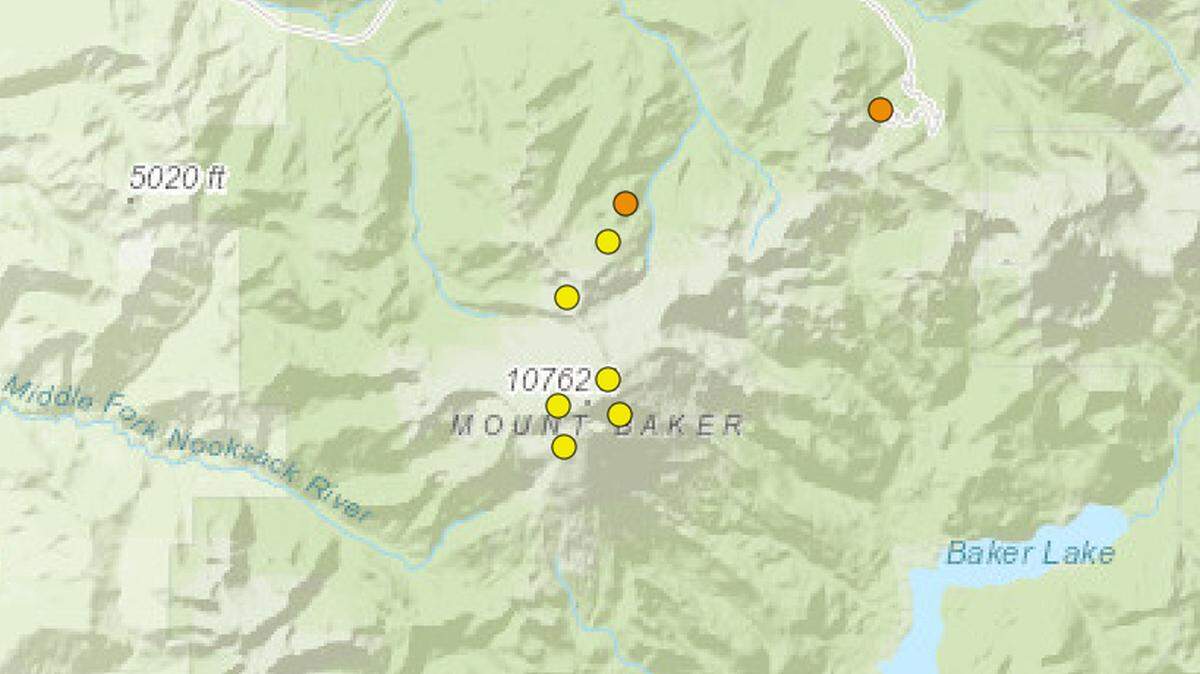
Several Washington state volcanoes are showing what appear to be swarms of minor earthquakes, a phenomenon that’s lasted for the past month or more.
But a Western Washington University seismologist known for explaining the recent “Swift quake” says they might not be earthquakes at all.
Seismographs on Mount Baker, Mount Rainier and Mount St. Helens each registered a dozen or more apparent temblors in July and August, according to data posted at the Pacific Northwest Seismic Network website.
All were less than magnitude 2, and many were less than magnitude 1 — too small to be felt by people.
Even so, increased seismic activity can indicate that an eruption is imminent, as happened in 1980 with Mount St. Helens.
But what looks like seismic shaking on these volcanoes isn’t even an earthquake, a Western Washington University seismology professor said.
Turns out, the tremors are actually vibrations from the folding and cracking of glaciers, Jackie Caplan-Auerbach told The Bellingham Herald.
“A lot of the earthquakes that you are seeing right now are those little tiny glacier quakes,” Caplan-Auerbach said in an interview.
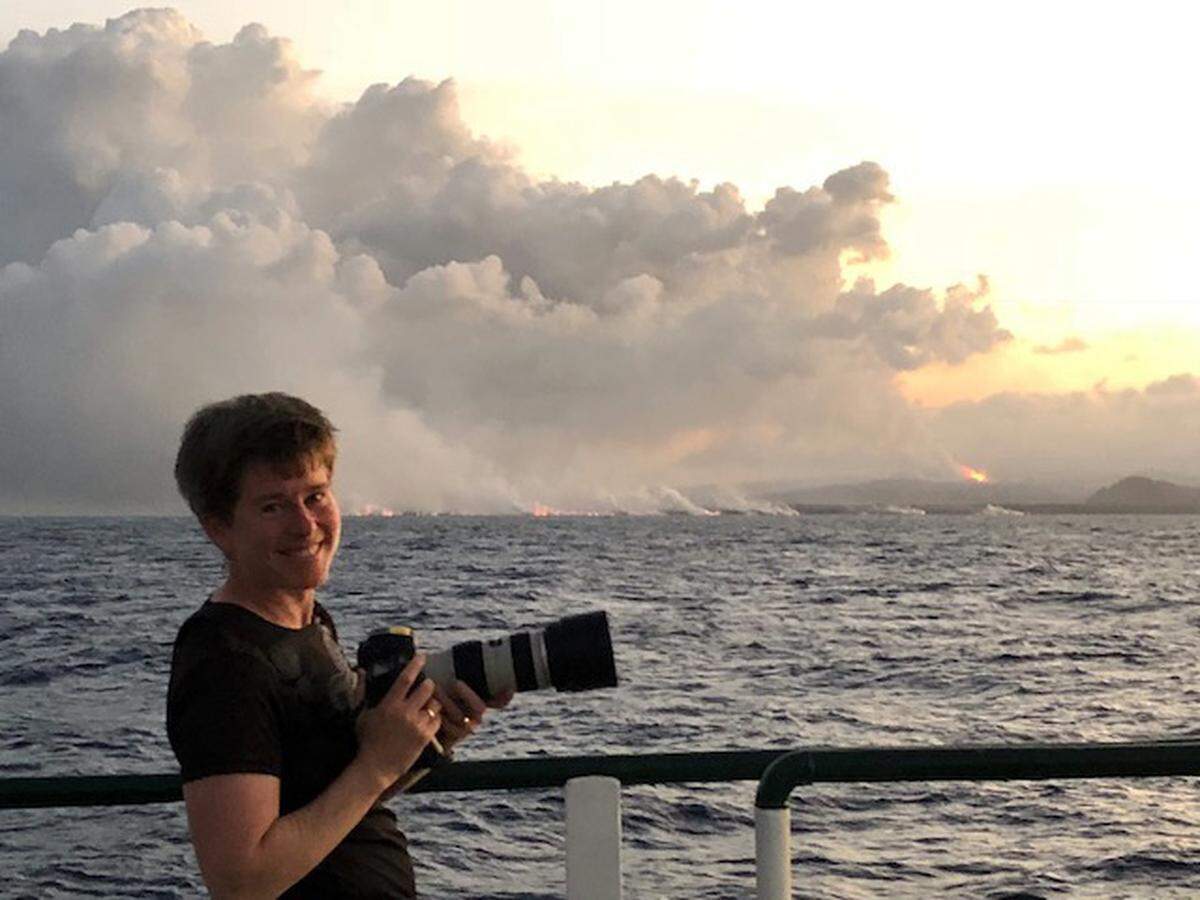
“These are associated in some way with the glaciers. It often looks alarming. (But) none of these look out of the ordinary,” she said.
Caplan-Auerbach, who is a professor in WWU’s Geology Department and associate dean of the College of Science and Engineering, made international news in August when she shared that Taylor Swift’s recent Seattle concerts registered more forcefully on seismographs than the Seattle Seahawks’ 2013 “Beast Quake.”
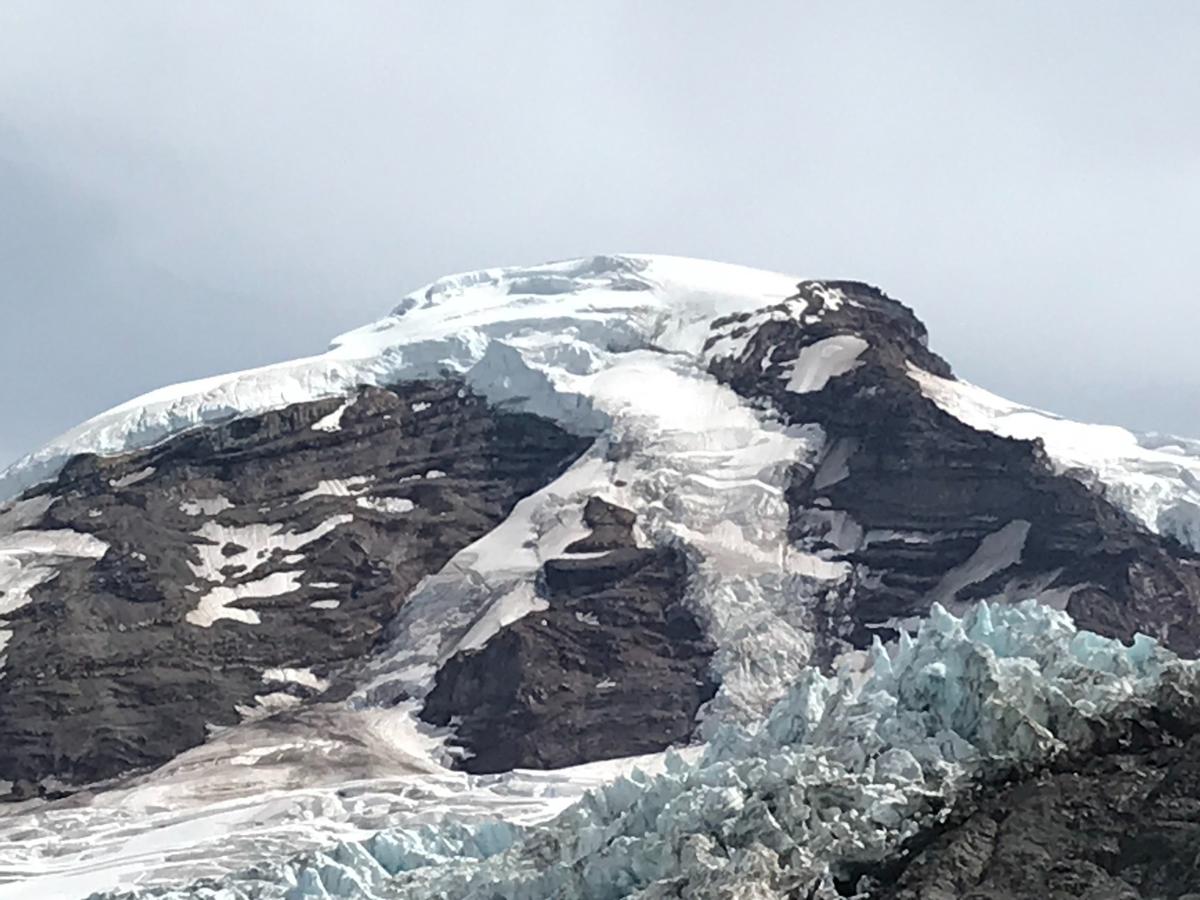
Glaciers are giant rivers of ice, and as they creep along and melt and freeze they create cracks and crevasses, Caplan-Auerbach said.
“Those cracks shake the ground like an earthquake,” she said.
This story was originally published August 31, 2023 at 2:42 PM with the headline "Tremors are shaking Washington’s volcanoes, including Mount Baker. What’s causing it?."