
What should you do if you run into a bear while hiking in WA? Here’s what experts say
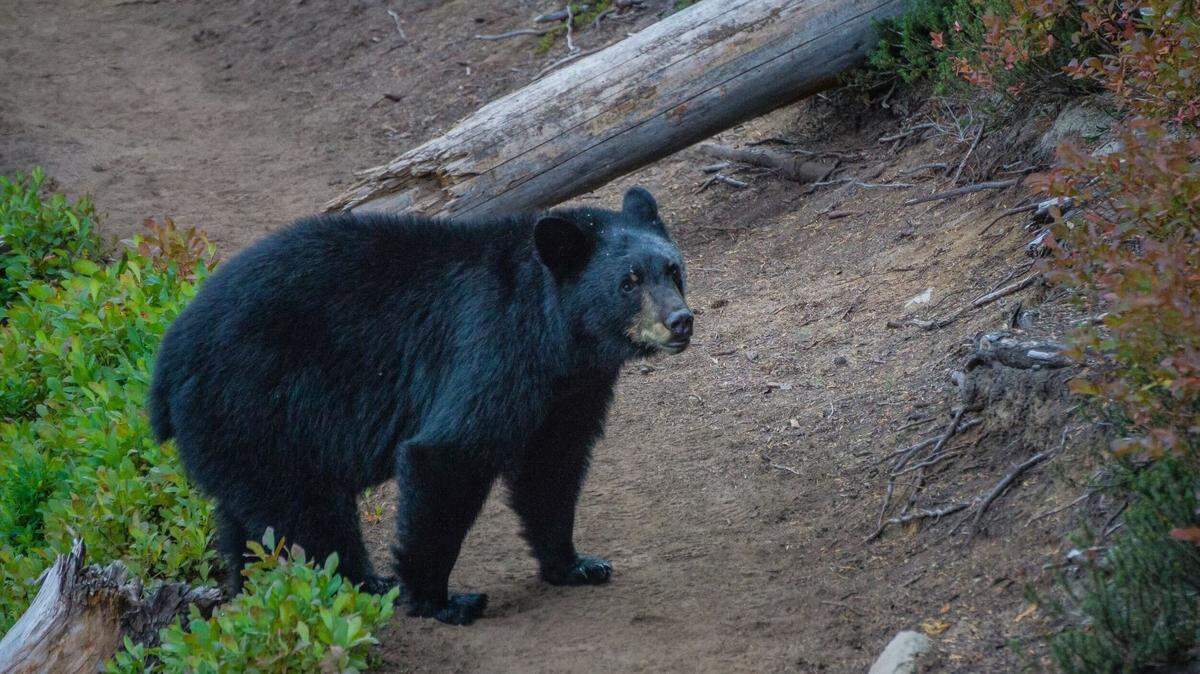
With Washington’s countless mountain and forest hiking trails comes an increased chance of running into a bear when you’re out in nature. While running into a bear is largely up to chance, there are plenty of things you can do to reduce your odds of an encounter, or keep yourself safe if you do have one.
What to do if you’re hiking in bear country
Even before you encounter a bear, there are things you can do when hiking in bear country to prepare yourself for a potential interaction, Washington Trails Association Digital Content Manager Anna Roth said.
“The main tip for hiking in bear country at all is just stay aware of your surroundings,” Roth said in a phone call with McClatchy.
According to Roth, it’s important to minimize your chances of surprising a bear if you know you’re hiking in an area where they’re common.
“One thing that we recommend is, not to be loud, but, you know, talk,” Roth said. “If you’re in a group, having a conversation can be enough. Bears have pretty good hearing, so you can just be chatting and they’ll be able to hear you.”
Hiking during the day will reduce your chances of an unwanted encounter, but according to Conservation Northwest Communications Directors Andrea Wolf, you need to be aware of the season as well.
“In the late summer and fall, the bears are getting ready to hibernate,” Wolf said in a phone interview, “so they’re trying to get all of the calories that they can.”
What to do if you see a bear
If you do encounter a bear, it’s important not to approach them, according to Wolf.
“Number one is give them space,” Wolf said. “If you see them, don’t intentionally go up to them. Absolutely, never try to feed them or bait them.”
Most of the time, a bear will leave you alone. But if it doesn’t, Roth said it’s important to stay calm throughout the encounter.
“If a bear is kind of like looking at you, and you might be a little bit like, ‘Oh gosh,’ keep your voice low and level and you just say ‘Hey, bear.’ There’s no need to scream, there’s no need to overreact, you stay calm and just say, ‘Hey, bear.’ Talk to them,” Roth said. “A lot of times if I run into a bear, I just say, ‘Hey, man, just walking through, I’ll be out of your way soon.’”
If that doesn’t work, WTA recommends retreating slowly without turning your back on the bear, and avoiding eye contact.
“It’s kind of a dominance challenge thing for them,” Roth said. “Just back down the trail slowly. This sort of encounter is quite rare. I mean, we’ve gotten lots of trip reports from all over Washington and almost all the time people are reporting little bear butts running away from them,” Roth said.
Wolf also recommends carrying bear spray, although Roth said it can sometimes be more trouble than it’s worth.
“We recommend carrying bear spray, and having it accessible… It’s not going to do you any good in your backpack,” Wolf said. “You want to have it ready to go and most importantly know how to use it. Buy one, practice with it.”
While it might sound counter-intuitive, Roth said you have to be especially careful if you see a baby bear.
“If you think you’re near a baby bear, locate Mom, because you don’t want to be between the baby and the mom,” Roth said. “And certainly never approach a baby bear. I know they’re cute but they’re not actually teddy bears.”
What about bears when camping?
If you’re camping or backpacking in an area with bears, it’s important to put any food you have in a bin, bag or canister that masks the smell from bears.
“Double check with the policies of the land manager for where you’re backpacking. Some of the national parks don’t allow you to use ursack [bear bags], you have to have a bear bin,” Roth said.
Wolf said that even people who store their food properly can forget to store any pet food they have with them. Even clothes that were worn while cooking can smell like food and attract bears.
Black bear or grizzly bear: does it make a difference?
While the National Park Service and U.S. Fish and Wildlife Service recently announced a plan to reintroduce grizzly bears to the North Cascades region, the process will be slow, and only 25 bears are expected to be moved to the region in the program’s first five to ten years.
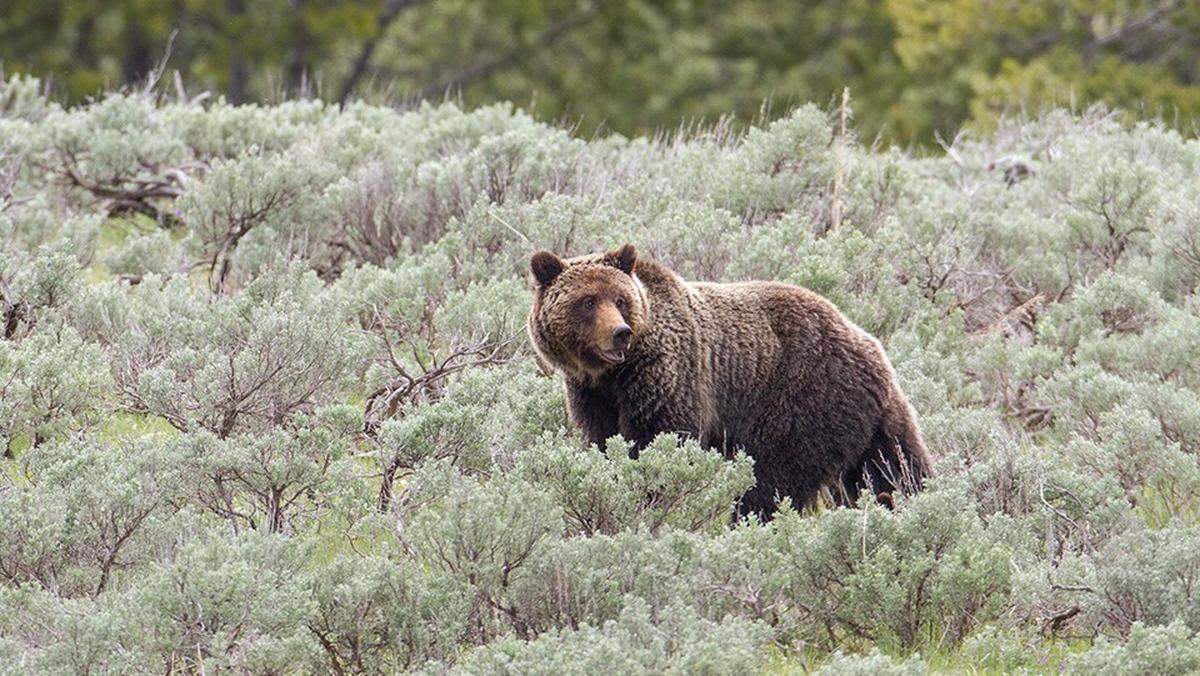
Some grizzly bears can still be found in northeast Washington, but for now, if you run into a bear in Washington, chances are it’s a black bear.
“If you’re hiking in Washington you’re pretty much only going to see black bears.” Roth said. “You might see a bear that is brown,but it’s actually a black bear.”
According to the Washington Department of Fish and Wildlife, there are roughly 22,000 black bears across the state, living in every area but the Columbia Basin.
“They live, I would say, in pretty mountainous areas,” Roth said. “You’ll see black bears up in the North Cascades, Central Cascades, and the South Cascades down near Rainier, there’s a fair number of black bear sightings reported. Certainly out on the Olympic Peninsula and to a certain extent out in eastern Washington. They’re certainly there, it’s just there’s fewer people hiking and it’s a little bit more remote trailhead, so I think there’s probably fewer sightings reported.”
If you’re hiking in one of those areas, according to Wolf, it’s important to remember that while you’re just visiting, local wildlife lives there full time.
“The most important thing is just reducing our impact while we’re out there, and respecting the wildlife,” Wolf said. “Make sure that we’re not doing anything to tempt them in terms of attractants, obviously, not harassing them and letting them live their lives while we’re enjoying their space.”
This story was originally published August 3, 2024 at 5:00 AM with the headline "What should you do if you run into a bear while hiking in WA? Here’s what experts say."