
Washington is the first place in the world to remove and ban this fish farming practice
In 2017, an enclosed floating cage (known as a net pen) in the Puget Sound collapsed at its location near Cypress Island. The collapse resulted in the accidental release of over 250,000 Atlantic salmon, a non-native species. The incident has had lasting impacts on the Sound’s ecosystem.
Akin to an underwater crop system, net pens are used to raise fish for commercial purposes. Commercial net pen aquaculture has been in the Puget Sound since the ‘60s, according to the Washington State Department of Natural Resources (DNR). Net pens are used to grow native and non-native fish species as a food source.
Following the failure of the net pen near Cypress Island, legislation was passed in 2018 to phase out Atlantic salmon by 2022. The bill also prevented new aquaculture operations from growing non-native fish in state-owned water.
Since then, DNR has been working on further guidance on net pen aquaculture under the guidance of Commissioner of Public Lands Hilary Franz. An updated ruling was just approved that prevents all commercial finfish net pen aquaculture operations on state-owned waters.
This makes Washington state the first place in the world to successfully implement a ban on all new commercial net pens, and remove those in place. That said, there is growing support for such measures on the west coast, with bans of some level in place in all west coast states, plus Alaska.
New WA net pen rule passed
The rule was adopted at a DNR board meeting during the first week of 2025. The vote followed over an hour of public testimony, including comments from scientists and tribal leaders.
Many tribes within Washington state, though not all, expressed their support for the ban. Conservation groups also supported the update, citing harsh conditions for the already endangered Southern Resident orcas and the native salmon they feed on.
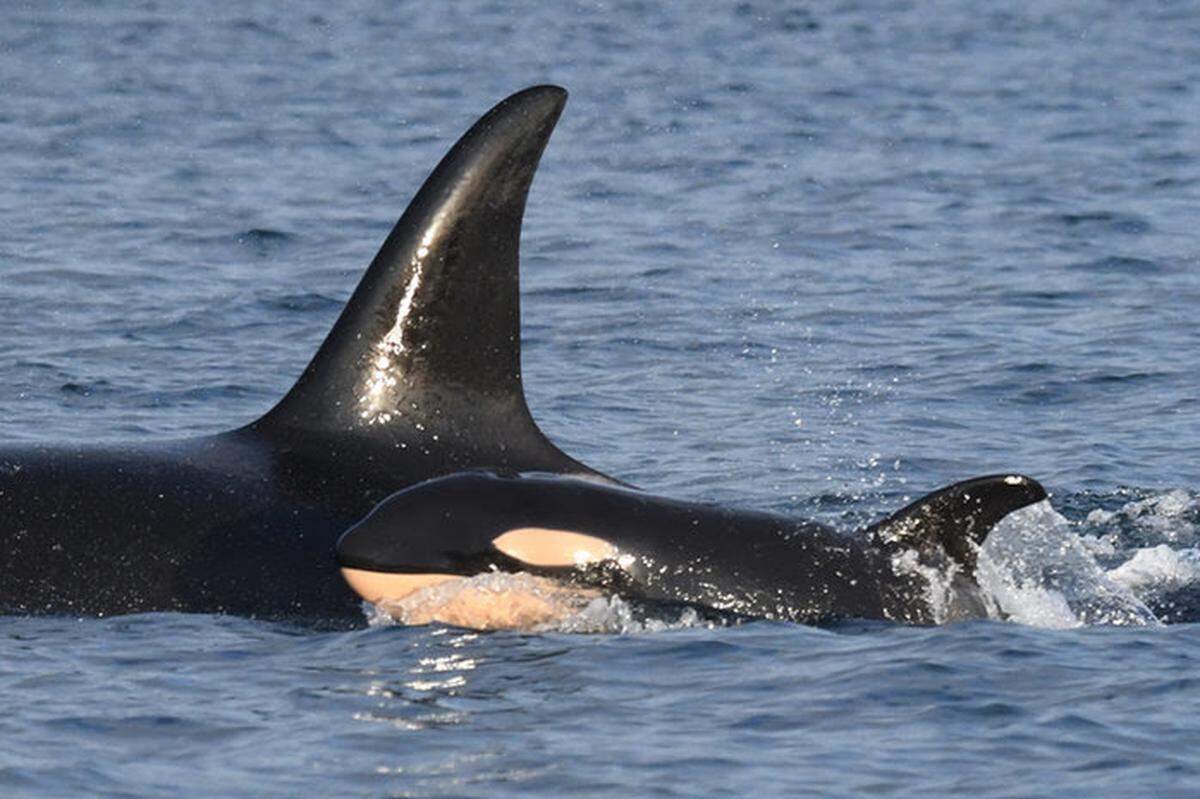
“I am grateful to Public Lands Commissioner Franz and the DNR Board of Natural Resources for permanently protecting our shared waters from the harmful effects of net pens,” stated Swinomish Tribal Community Chairman Steve Edwards in a press release. “Our salmon, Orca and all of us dependent on a healthy Salish Sea for our cultural livelihood and recreational enjoyment will benefit for generations to come.”
The Wild Fish Conservancy created a petition supporting the ban, which was endorsed by more than 180 businesses and organizations, plus over 3,000 individuals, according to a press release from the conservancy.
Addressing net pen ban concerns
However, some scientists, organizations, tribal leaders and community members critiqued the legislation, suggesting it may have been rushed, that further scientific study is needed, and that more tribal communication should have preceded the meeting.
These concerns were addressed before the board voted, though the support heavily outweighed the opposition. The science behind the updates was years in the making and made public prior to the board meeting. Additionally, tribal leaders were consulted throughout the process, and the majority of tribes in Washington support the ban.
Numerous experts agreed that the priority lies in considering both the science and the potential risk. Since the waters used for net pens is leased by DNR, the board’s decision was compared to landlords using avoidance as a mitigation measure. An executive session was then held to discuss legal concerns.
The legislation was passed by majority vote, the board split 4-2. One board member abstained out of belief there is a future for improved science supporting net pen aquaculture, another for the potential for improved tribal usage framework.
The four board members who voted in support agreed they could always reconsider potential updates if future science suggests options with safe systems.
“No one can say these facilities don’t have an impact. They do. There’s a cost to our agency, there’s a cost to our waters and our bedlands, there’s a cost to our salmon and our orcas,” Commissioner Franz said during the board meeting. “I don’t believe that cost is worth it. Avoidance is absolutely our best solution.”
The updated ruling only applies to commercial net pen finfish aquaculture, not hatcheries that support native species.
This story was originally published January 21, 2025 at 12:25 PM with the headline "Washington is the first place in the world to remove and ban this fish farming practice."