What public lands near Tri-Cities could be sold under new Trump tax plan?
AI-generated summary reviewed by our newsroom.
- Spending bill may trigger fast-tracked sale of millions of Western public acres.
- 350,000 BLM acres in Washington, including near Tri-Cities, could be auctioned.
- Critics warn sales could harm recreation economy and limit public land access.
With only days left before the U.S. Senate is set to vote on a massive spending bill, concern is growing about a proposal in it that could force the sale of millions of acres public lands in the American West.
While the conversation has largely focused on land near state and national parks, the Bureau of Land Management owns more than 350,000 acres of potentially available land in Washington — nearly all of it east of the Cascades.
There is a significant chunk near the Tri-Cities, but the vast majority is in areas that would be difficult or impossible to build on.
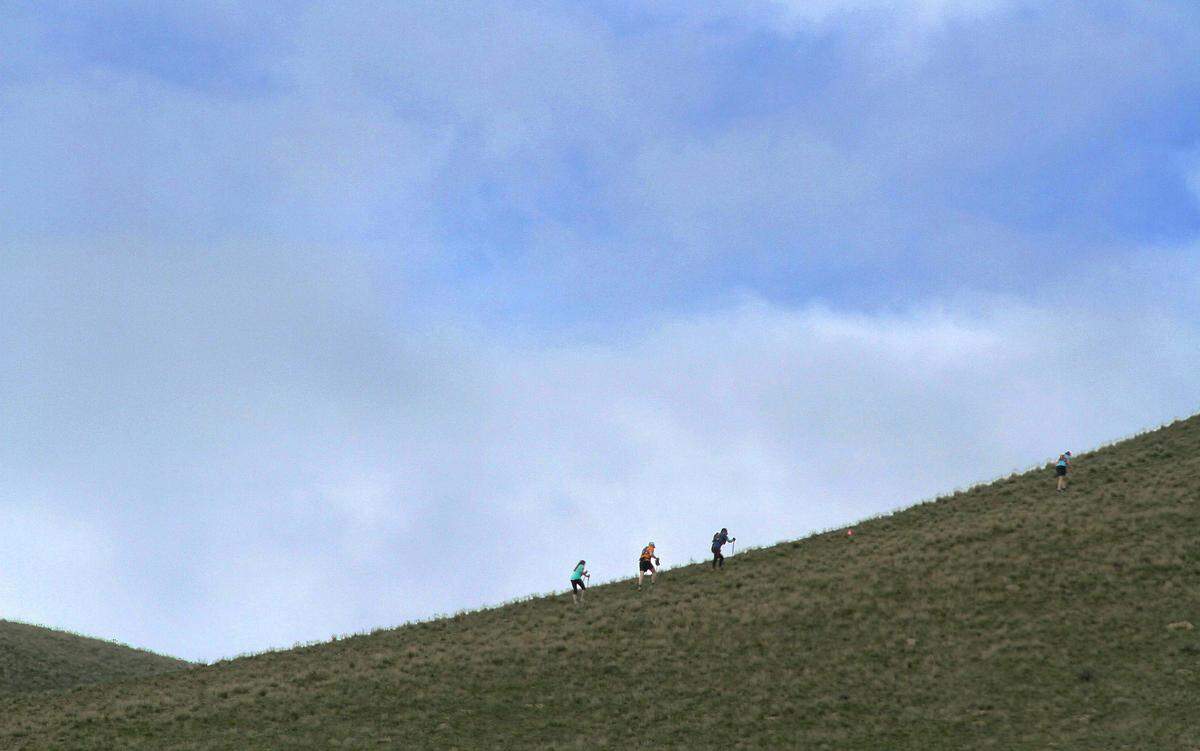
It includes the steep slopes of the Horse Heaven Hills and Saddle Mountains and areas around Juniper Dunes. One large plot is actually inside the boundaries of the hot, treeless sand dune wilderness area.
The Wilderness Society describes the proposal as the largest sell-off of public lands in modern history.
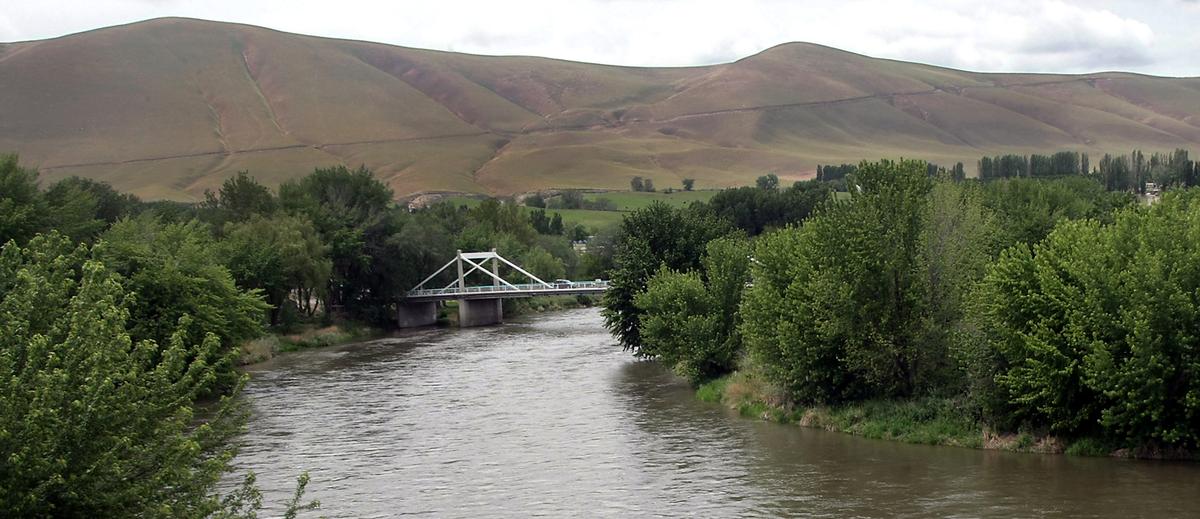
Land for sale
Land owned by BLM was acquired for a variety of reasons. Some of it is used for grazing or conservation, other areas are for easements or mineral rights and some was acquired via land swaps or donations. Some people deed land to BLM in their wills, with the intent of it becoming a protected conservation area.
If approved, the proposed federal land sales would move at breakneck speeds, likely without public input, according to an analysis by The Wilderness Society. The bill calls for tracts to be up for sale within 30 days of passage.
Senator Maria Cantwell, D-Wash., is sounding the alarm on the scope of the proposed sell-off.
Cantwell’s office said that of the millions of potential acres in the West, the land at risk of being sold could realistically only create fewer than 700,000 homes close enough to cities and towns with unmet housing needs.
The land at risk is spread across 11 states from Colorado to Washington, Oregon and California. The mandate would see 2-3 million acres sold over the next five years, but the criteria would allow the Trump administration the ability to sell up to 250 million acres, according to Cantwell’s office.
In Washington, there are 5 million acres of U.S. Forest Service land at risk, in addition to the 350,000 acres of BLM land. Many cattle ranchers rely on BLM-owned public lands in the west for grazing.
This is in addition to plans that call for new leases for oil drilling, timber production and other uses of protected lands.
“This Republican budget bill is all about taking from average Americans to give to the ultra-wealthy and now that includes allowing the highest bidder to buy millions of acres of public lands that belong to all of us,” Cantwell wrote.
“This alarming proposal would put No Trespassing signs at beloved trailheads and fishing spots across the West, threatening the $1.2 trillion outdoor recreation economy and the five million jobs that rely on protecting these irreplaceable public lands. We need voices from across the nation, and on both sides of the aisle, to stand up for keeping our natural heritage accessible to all Americans today and into the future,” she said.
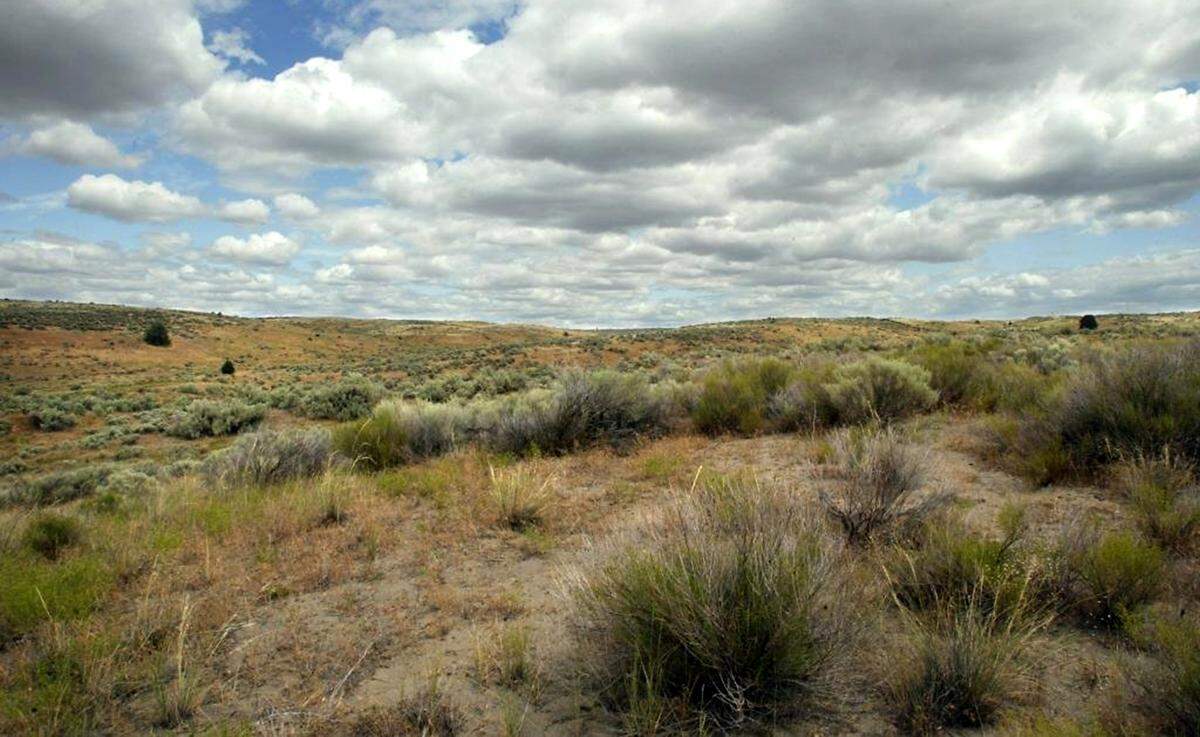
Land in the Tri-Cities area
The majority of the land potentially for sale is mostly on the south slopes of the Horse Heaven Hills or around Juniper Dunes, but there also are some tracts in developable areas.
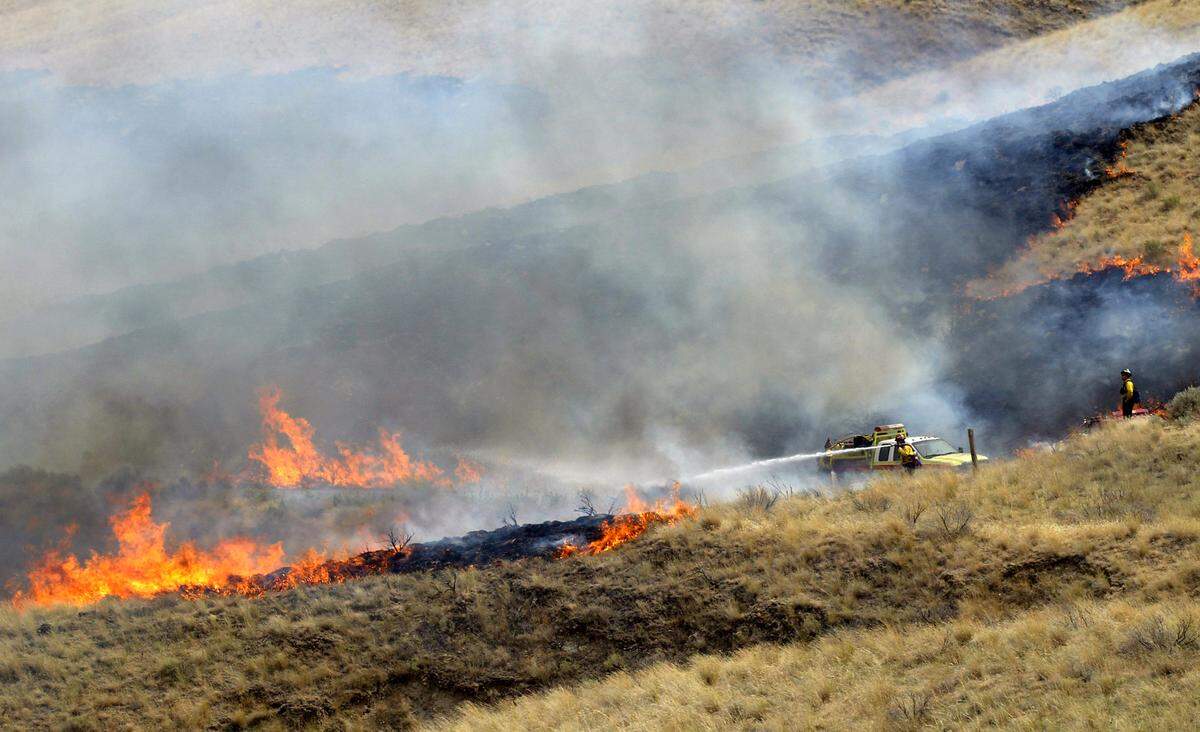
Much of the land in the Tri-Cities area is far too remote to build on, or would be on slopes too steep to even hike. It’s also land that has seen frequent wildland fires.
Of the 10,000+ acres of BLM land the Tri-City Herald was able to identify in Benton and Franklin counties, only around 200 acres are in areas with easy access to infrastructure.
There is a 40-acre plot south of Finley between the canal and State Route 397. It’s surrounded by agricultural land.
In the Benton City area, there is a 102-acre plot that straddles a vineyard owned by Kiona Vineyards. Most of the land in that area is used for grape production.
West Richland has the biggest variety of potentially developable land.
The Benton County Assessor’s Office shows more than a dozen 2.5 acre plots owned by BLM east of Bombing Range Road.
The land is in relatively developed neighborhoods, with several parcels near Mountain View Drive.
It’s unclear how the sale of any of that land might impact Growth Management Act restrictions.
This story was originally published June 24, 2025 at 11:22 AM with the headline "What public lands near Tri-Cities could be sold under new Trump tax plan?."