
Washington’s wild berry picking season is here, but some fruit is toxic
There’s nothing like wandering through a Washington state forest on a beautiful summer day in search of ripe, wild berries.
Wild berry picking is the stuff of childhood memories for many Washingtonians, and a time-honored practice of the state’s 29 Indigenous tribes.
Washington state is home to many types of wild berries that thrive in its volcanic soil and temperate climate. Some of the more well-known and popular types include blueberries, huckleberries, strawberries, blackberries and raspberries.
Beyond those that are widely recognized on sight, there are also numerous types of wild berries in Washington that are toxic or poisonous to humans. Sometimes they look very similar to the edible varieties.
So how do you tell which ones are safe to eat?
Edible wild berries in WA
There are a few guidelines to staying safe when foraging for wild berries. One of those is related to the color of the berry.
The “berry rule,” will help you stay safe, according to Washington State University:
White and yellow - only 10% of this type are edible
Red - 50% are edible
Blue, purple or black - 90% are edible
An easy way to remember this is the mnemonic “If it’s purple, black or blue, it’s probably good for you. If it’s red, you might be dead. If it’s white or yellow, it’ll kill a fellow.”
WSU also notes that 99% of berries with aggregated clusters, like blackberries or raspberries, are edible.
These guidelines are not foolproof and should only be used as a rule of thumb. Never eat a berry without being positive of its identification.
You can defer to experts or use wilderness guides specific to your location for assistance identifying a wild berry.
Toxic berries in Washington
These are some of the toxic berries and similar plants you may find growing in Washington.
▪ Baneberry - Actaea rubra, Actaea pachypoda
The baneberry has red and white varietals, both considered poisonous. Red baneberries are more common in Washington state. Eating just six of the red berries can cause cardiac arrest and respiratory distress. The entire plant is deemed poisonous, but the berries and roots are the most dangerous.
▪ Castor bean - Ricinus communis
Not technically an actual bean, the castor bean grows on small trees and large shrubs. It contains ricin, which can kill humans with just a few seeds. Castor beans normally aren’t eaten fresh off the plant, due to their tough exterior that prevents the ricin from releasing. But if chewed or ground up and consumed, the plant can be deadly.
.jpg "950492542 (1).jpg")
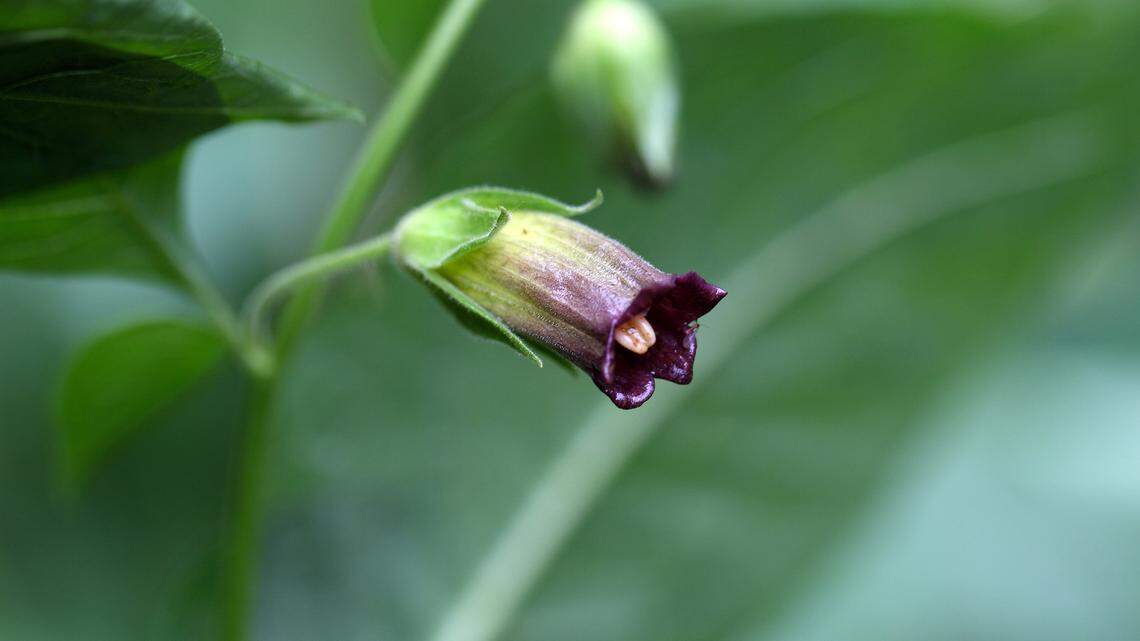
▪ Deadly nightshade - Atropa belladonna
While the entire plant is toxic, the dark purple berries on deadly nightshade plants are the most dangerous. Eating these berries can cause an increased heartbeat, delirium, hallucinations, vomiting, respiratory failure and even death. More widespread in Washington is deadly nightshade’s cousin, bittersweet nightshade, which needs to be consumed at a much higher rate to cause harm.
▪ English laurel - Prunus laurocerasus
The English laurel is often used as a divisive shrub, but many varieties have toxic berries, as well as toxic roots and leaves. They contain hydrogen cyanide, which eating small quantities of causes minor irritation, and eating large quantities of causes respiratory failure or even death. The berries fruit a green color and ripen to black.
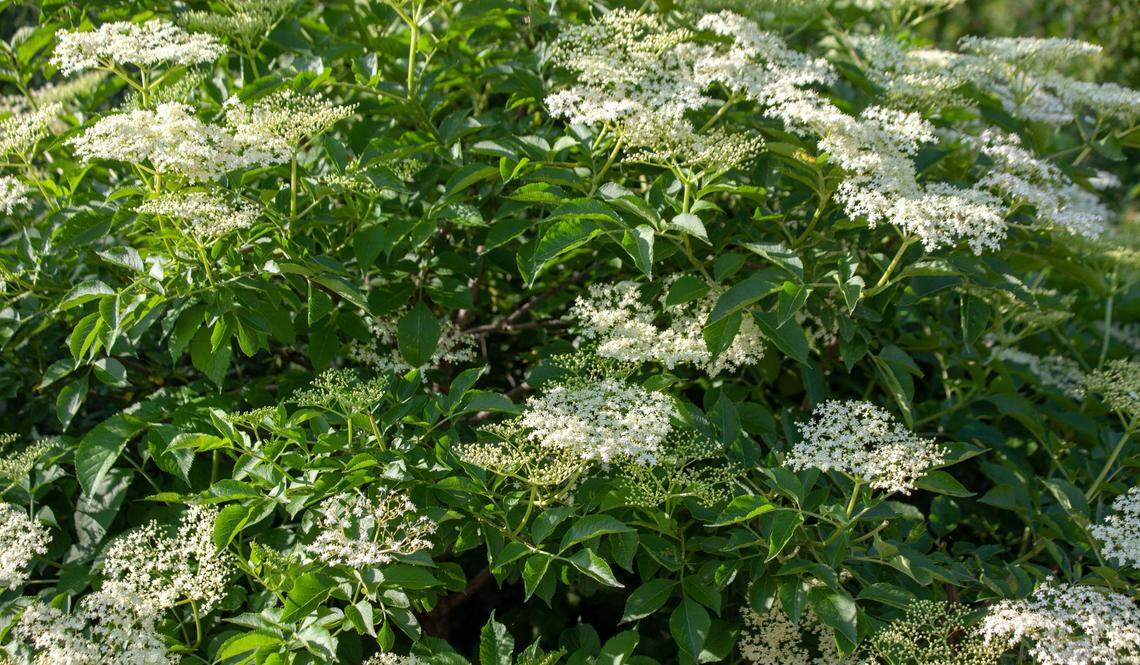
▪ Elderberry - Sambucus racemosa
The elderberry has red, coastal red and black varieties native to Washington state. The shrubs the berry grows on can reach 20 feet high. The berries contain toxic seeds, but the toxicity can be cooked out. You can also remove the seeds to eat the berries raw, but this should be done with caution.
▪ Jequirity bean - Abrus precatorious
This ornamental plant produces highly poisonous beans. The red and black beans contain enough abrin to kill an adult after consuming just one.
▪ Jerusalem cherry - Solanum pseudocapsicum
The Jerusalem cherry is a species of poisonous nightshade. It is not a cherry variety, its common name simply refers to the cherry-like size and appearance of the berries. Its shrubs have dark green leaves, making the red, yellow and orange fruits stand out. Eating the false cherry can cause gastrointestinal issues, seizures, respiratory depression and shock.
▪ Spurge laurel - Daphne laureola
This evergreen shrub is considered invasive in parts of Washington state. Just one seed from the small, black berries are poisonous. The entire plant is toxic and can cause skin irritation on contact.
▪ Yew berry - Taxus baccata
Yew berries contain taxines, which can cause cardiac and respiratory failure. The entire plant is toxic.
There are other berries in Washington that are considered poisonous, but would require a large amount to be consumed for any real damage, like the snowberry, holly berries, bittersweet nightshade and more.
The Washington Poison Center is available for emergencies, questions and concerns at 1-800-222-1222.
Washington berry picking regulations
Washington has both federal and state lands with opportunities for wild berry picking. Depending on who owns the land, regulations may vary. Always confirm the limitations in your area before picking any wild berries.
When picking wild berries on state-owned land for personal consumption (not scientific or educational purposes), the standard limit is two gallons per person each day. This may vary depending on the park, so always check first.
This year, the U.S. Forest Service restricted commercial huckleberry harvest in Gifford Pinchot National Park, but no changes were made for personal collection. You need a special use permit before collecting berries on federal land. Collection of any kind is prohibited in the Mount St. Helens National Volcanic Monument area.
This is an updated version of a story that was previously published. Genevieve Belmaker contributed to this report.
This story was originally published June 26, 2025 at 5:00 AM with the headline "Washington’s wild berry picking season is here, but some fruit is toxic."