
Bellingham ICE arrest highlights difficulties of tracking those who are detained
AI-generated summary reviewed by our newsroom.
- ICE detained Juan Gonzalez June 18; his location remained unclear for six days.
- Efforts to locate Gonzalez through ICE systems failed, delaying contact and support.
- Gonzalez signed deportation papers after reportedly experiencing pressure in custody.
Agents with the U.S. Immigration and Customs Enforcement arrested a man in Bellingham on June 18 near the Guide Meridian exit off Interstate 5. It was six days before his friends were able to determine where he had been taken, and by whom he had been detained.
Juan Antonio Gonzalez, 31, was detained while on his way to work, according to his friend, Nena Diaz-Garcia. Gonzalez was on the phone with a coworker at the time.
If Gonzalez had not been on his phone at the time, it’s possible no one would have known he had been arrested, Diaz-Garcia told The Bellingham Herald in an interview.
Diaz-Garcia was unable to verify Gonzalez’s immigration status. An ICE spokesman at the Northwest ICE Processing Center in Tacoma provided no information regarding why Gonzalez was arrested, despite multiple inquiries from The Herald.
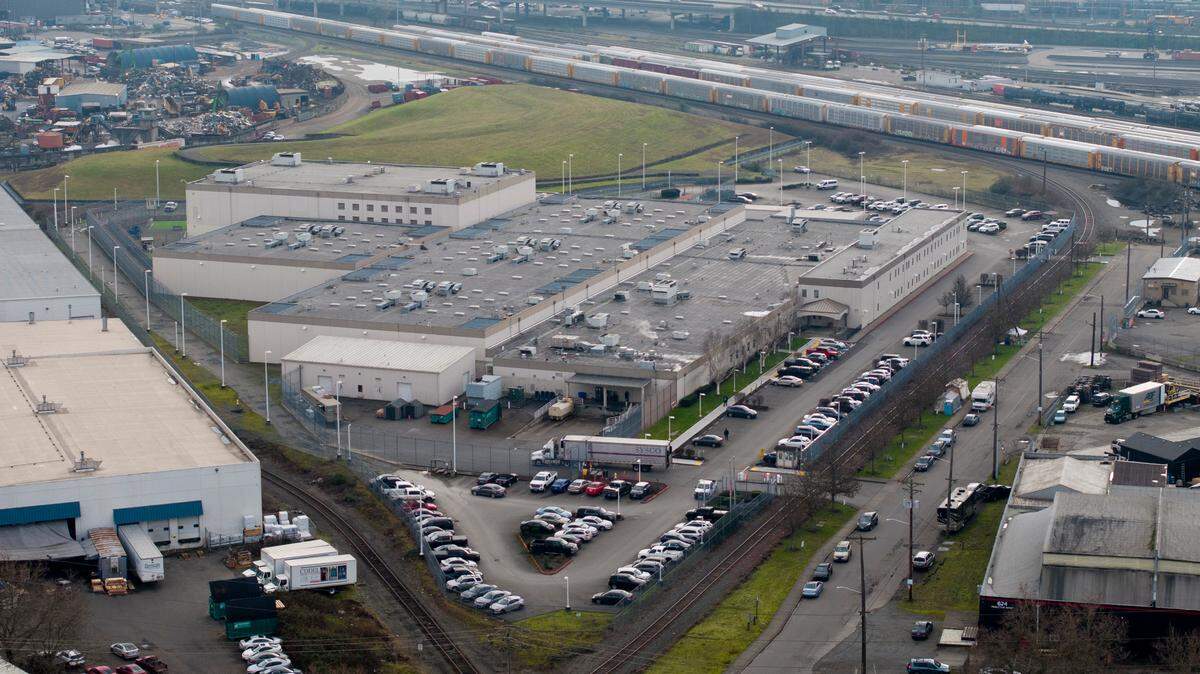
Diaz-Garcia used the ICE detainee locator system to try and find Gonzalez, who is a native of Mexico. The locator said he was being held at the Ferndale facility. However, when Diaz-Garcia called the facility she was unable to get through to anybody. She left several voicemails but never received a call back, Diaz-Garcia said.
“I called Wednesday. I called Thursday. I called Friday,” Diaz-Garcia said. “I called all the numbers. I called everywhere, and he was MIA. Nobody had any information on him.”
Diaz-Garcia said she called the Northwest ICE Processing Center in Tacoma but was told Gonzalez was not there either. Another person visiting the facility at the time told Diaz-Garcia she would ask about Gonzalez while she was there checking on a family member.
Neither Diaz-Garcia nor anybody else close to Gonzalez knew where he was. It took six days for Diaz-Garcia to locate Gonzalez.
She said not being able to find him for days was especially difficult because a similar thing happened when her uncle was deported in the late 1990s. Her uncle, Juan Cazares, was deported to Mexico but she said he never arrived. After he was taken away, he was never seen or heard from by his family again, she told The Herald. His older brother — Diaz-Garcia’s father — hasn’t seen him in more than 30 years.
“So here I am with flashbacks like ‘Oh my God.’ This has happened to us,” she said. “Is this going to happen again? Where is my friend? Where is he?”
Diaz-Garcia called the Tacoma facility again June 23, when officials confirmed Gonzales is in custody. They also told her he had been transferred to the center the same day he was arrested. The locator system still listed Gonzalez as in custody at the Ferndale Hold Room as of July 1.
Meanwhile, the Executive Office for Immigration Review’s automated case information site shows a hearing for Gonzalez scheduled for 8:30 a.m. Tuesday, July 1. The site also says his case is pending.
Diaz-Garcia wasn’t able to speak with Gonzalez until June 24, at which point she said she learned he had already signed his voluntary deportation papers over the weekend.
“He was like: ‘It’s awful in here. I don’t know if I can stay here that long,’” Diaz-Garcia said. “A day in there, or two days max, feels like forever. Some people have it in them to wait … but some people can’t.”
She said she thinks Gonzalez was pressured into signing the papers instead of trying to fight the deportation in court. He had told her people said he could be held at the Tacoma facility for six to nine months, and that some of the people being detained are green card holders.
“I felt like they inserted fear in him,” Diaz-Garcia said. “When they told him they had green card holders and permanent U.S. residents there for an amount of time, he felt like he had no chance — he stood no chance.”
Diaz-Garcia also said she felt one of the reasons it was so hard to find Gonzalez was because ICE was waiting for him to sign the deportation papers. After the papers were signed, she was able to find where he was being held and speak with him.
“I feel like if they had told me from the beginning that he was there, I would have been able to help him,” she said. “That fear would not have been inserted in his head. He couldn’t contact me and I couldn’t contact him, and I didn’t know where he was.”
This story was originally published July 1, 2025 at 11:59 AM with the headline "Bellingham ICE arrest highlights difficulties of tracking those who are detained."
.jpg)