
New leader named for $3B annual Hanford nuclear waste cleanup in Eastern WA
AI-generated summary reviewed by our newsroom.
- DOE picks new leader for environmental cleanup at Hanford nuclear site in WA
- He brings 40 years of experience at DOE sites, including in WA, ID, NY and CO
- He takes over as Hanford is set to enter a new era, treating radioactive tank waste
The Department of Energy has picked the next leader who will manage the Hanford nuclear site, with responsibility for a $3 billion annual budget and oversight of about 13,000 workers.
Ray Geimer, the manager of the Hanford 222-S Laboratory contractor, will start work as the DOE Hanford site manager on Sept. 7.
Brian Harkins has been filling in as acting manager of the site since Brian Vance, the former DOE Hanford manager, resigned as of April 24.
Geimer has worked on DOE environmental cleanup projects for more than 40 years.
.jpg "GEIMER_RAY_2815-Edit_8x10 (2).jpg")
He has expertise in nuclear facility construction, nuclear facility operations, deactivation and decommissioning, and engineering and large-scale project management, said Roger Jarrell, DOE principal deputy assistant secretary, in a memo to DOE environmental management employees Wednesday.
“With a master’s degree in chemical engineering, decades of experience with the Department of Energy and expertise delivering on a wide variety of cleanup responsibilities, Ray is well positioned to lead Hanford into the next chapter of cleanup success,” Jarrell said.
Geimer will take over leadership at Hanford as DOE reaches a turning point in environmental cleanup at the site. By Oct. 15 it is expected to begin turning millions of gallons or radioactive waste held in leak-prone underground tanks since World War II into a stable glass form for disposal.
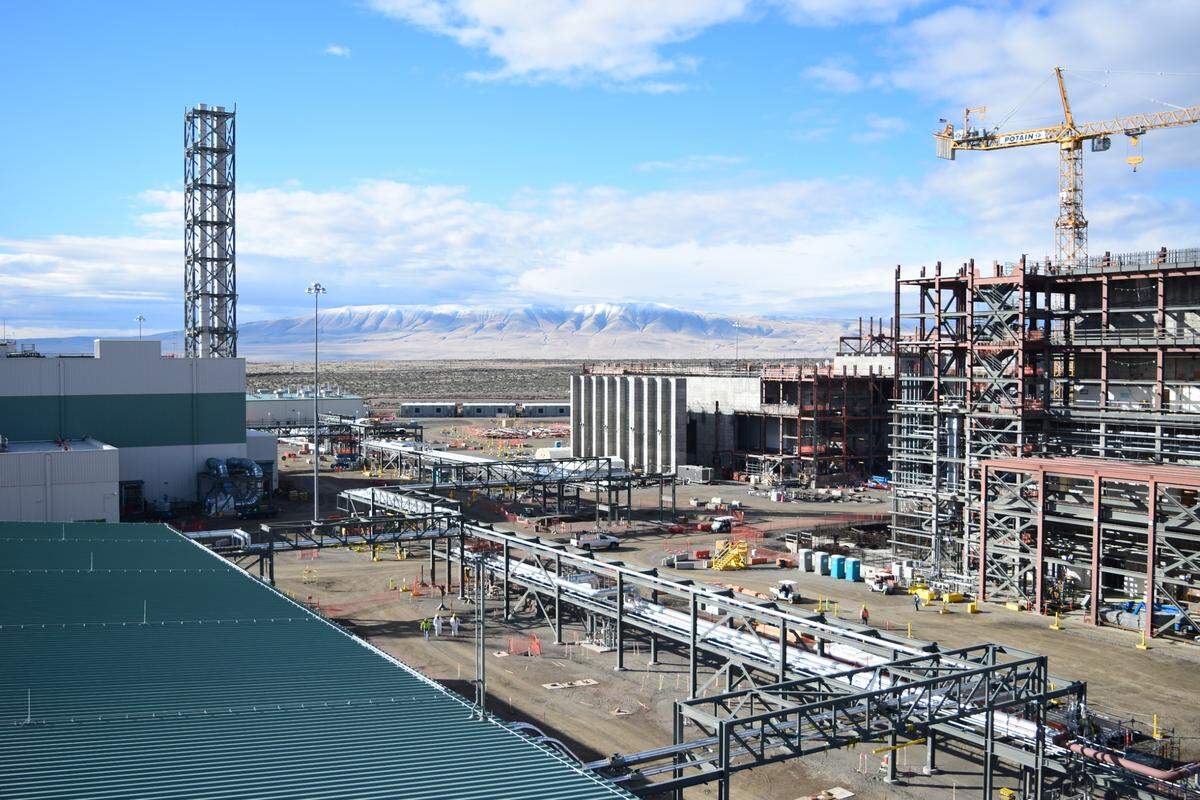
Construction on the huge vitrification plant that will glassify the waste began 23 years ago.
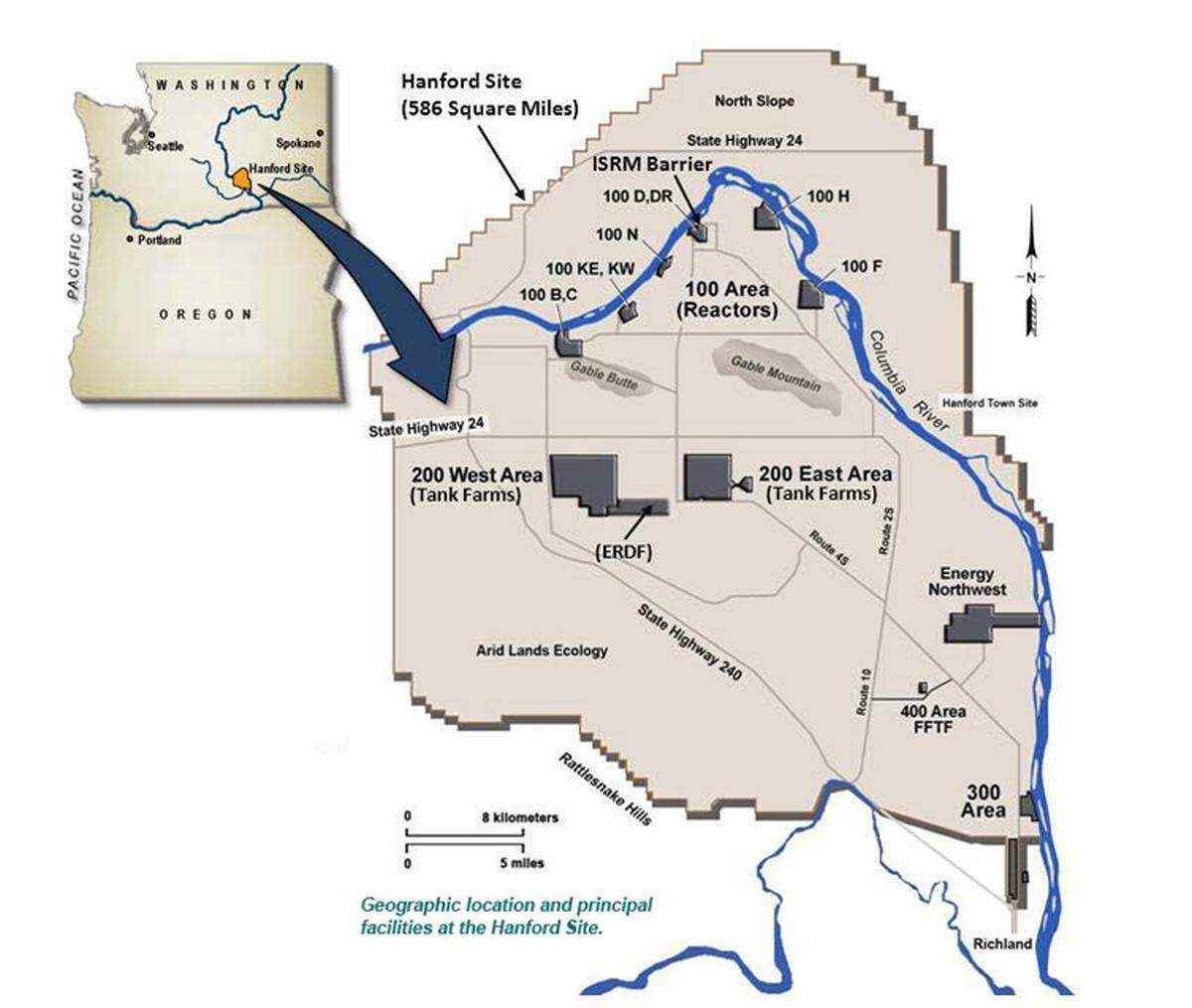
The Hanford site adjacent to Richland, Wash., produced nearly two-thirds of the plutonium for the nation’s nuclear weapons program from World War II through the Cold War, leaving behind radioactive and other hazardous chemical waste and contamination at the 580-square-mile-site.
Geimer’s nuclear cleanup experience
Most of the work is done by employees of DOE contractors, such as Navarro-ATL, which Geimer has led since 2022.
The 222-S Laboratory operated by Navarro-ATL is one of the few facilities in the nation capable of analyzing samples of highly radioactive waste.
Geimer also has worked as the project manager at the Hanford 100-K Area, where the K East and K West reactors, once operated to help produce plutonium and their basins were used to store deteriorating irradiated fuel after the Cold War ended.
Geimer managed an $80 million annual budget and a $311 million construction project for a nuclear waste packaging and transport facility, according to DOE.
Geimer also has management experience at DOE sites in New York, Idaho and Colorado.
He holds a bachelor of science in chemical engineering from Clarkson University in Potsdam, N.Y., and a master of engineering in chemical engineering from the University of Idaho. He holds a U.S. patent for high-temperature waste treatment.
Harkins to support Hanford manager
Harkins will remain as part of the Hanford leadership team, serving as the acting deputy manager and supporting Geimer, Jarrell said.
Harkins was initially named acting deputy manager April 10, after then-deputy manager Brian Stickney reportedly applied for the deferred resignation offered by the Trump administration. Later that month Harkins was named acting manager as Vance left for reasons he did not disclose.

Previously, Harkins had served as the DOE Hanford deputy assistant manager for the tank farms, Hanford Office of River Protection acquisition program manager and deputy assistant manager for technical regulatory support.
Vance, Hanford’s most recent permanent DOE manager, now is the site leader of Framatome’s Richland nuclear fuel manufacturing plant.
This story was originally published August 27, 2025 at 8:15 AM with the headline "New leader named for $3B annual Hanford nuclear waste cleanup in Eastern WA."