
Can I park in front of someone’s house in Washington? What state law says
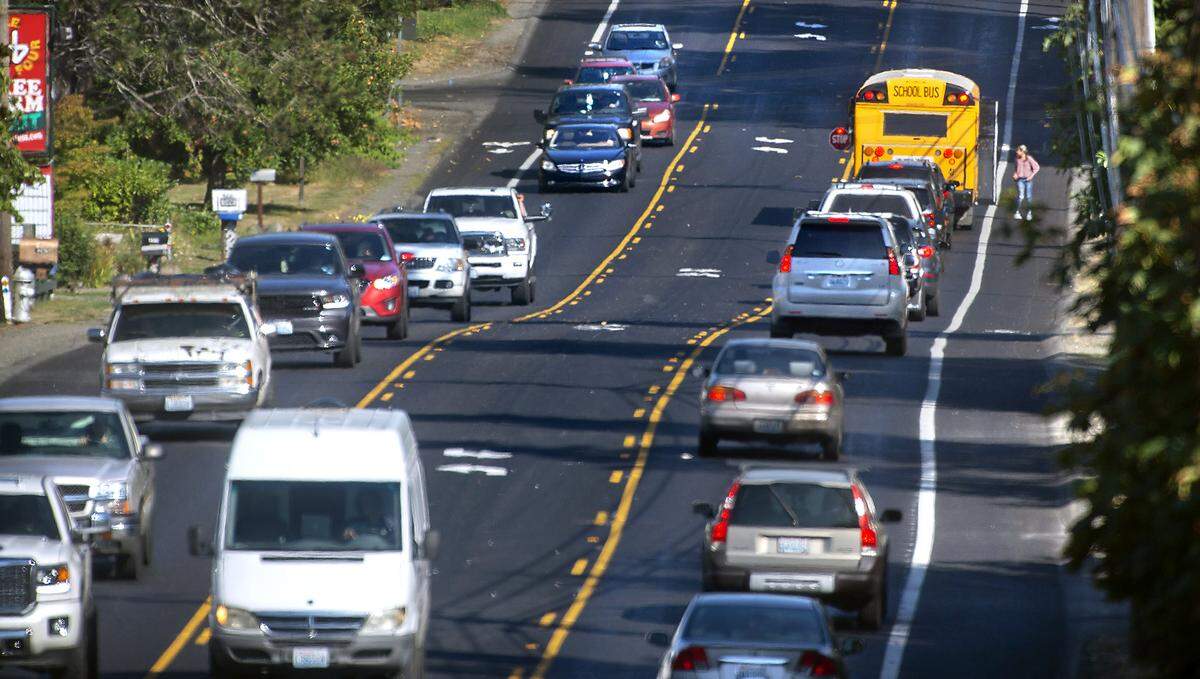
Kids are back in school across Washington state, leading to an increase in local traffic as parents and caregivers drop off and pick up their students.
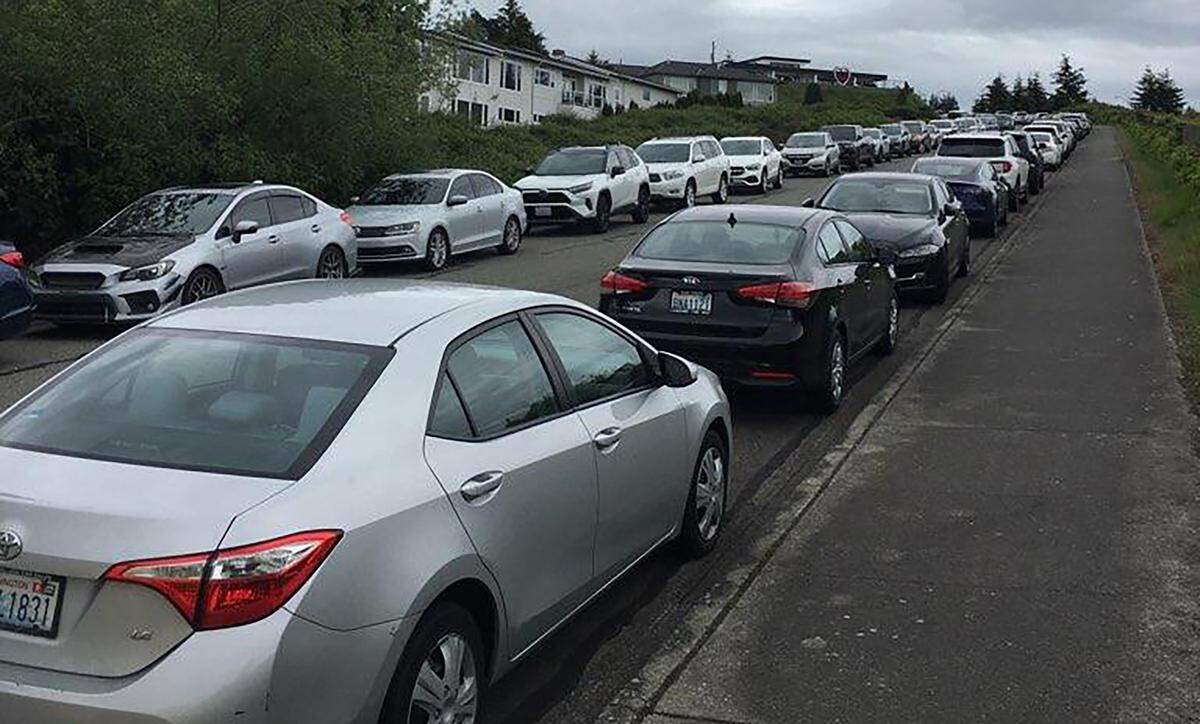
In particular, people living near schools may notice neighborhood streets lined with cars on weekdays.
Where are you allowed to park your car in Washington? And what are the penalties if you leave it in the wrong spot?
Here’s what we know:
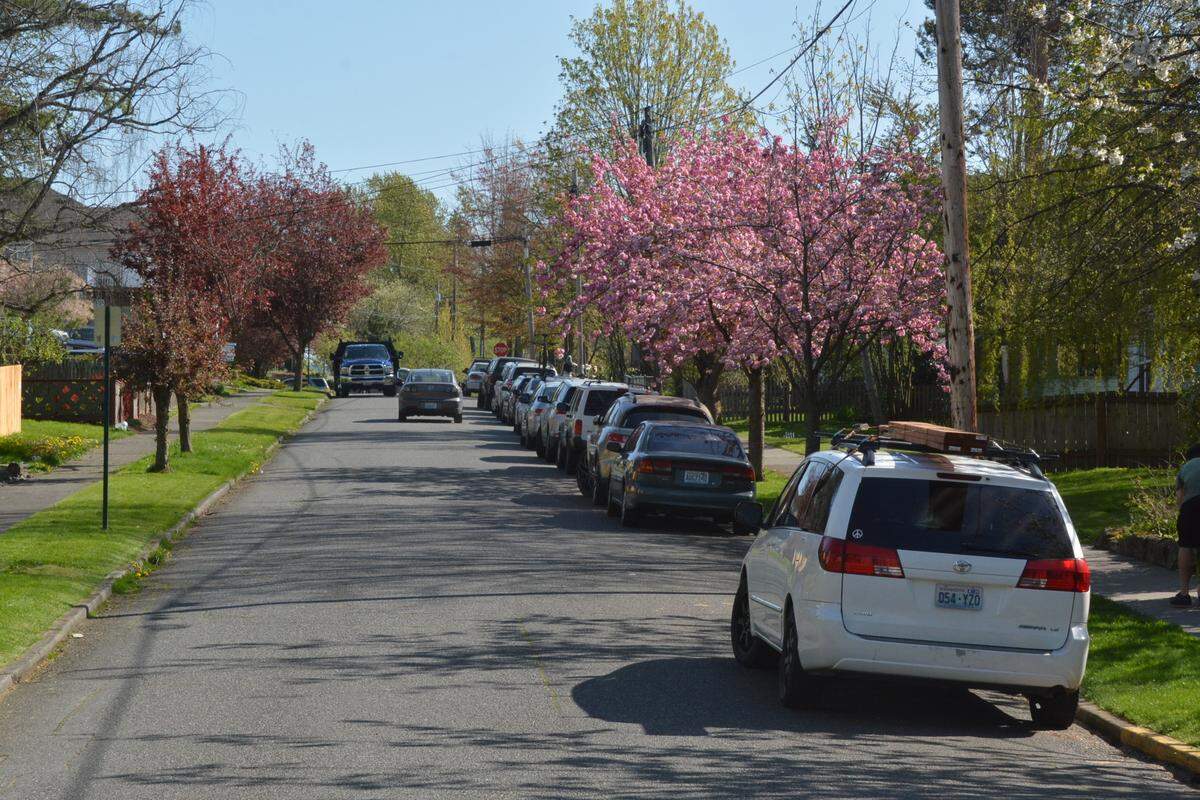
Can I park in front of someone else’s property in Washington state?
In most cases, it is legal to park on the side of the street in front of someone else’s property in Washington.
You can’t park on someone’s property without their permission, so driveways are a no-go.
However, the road in front of their home is fair game.
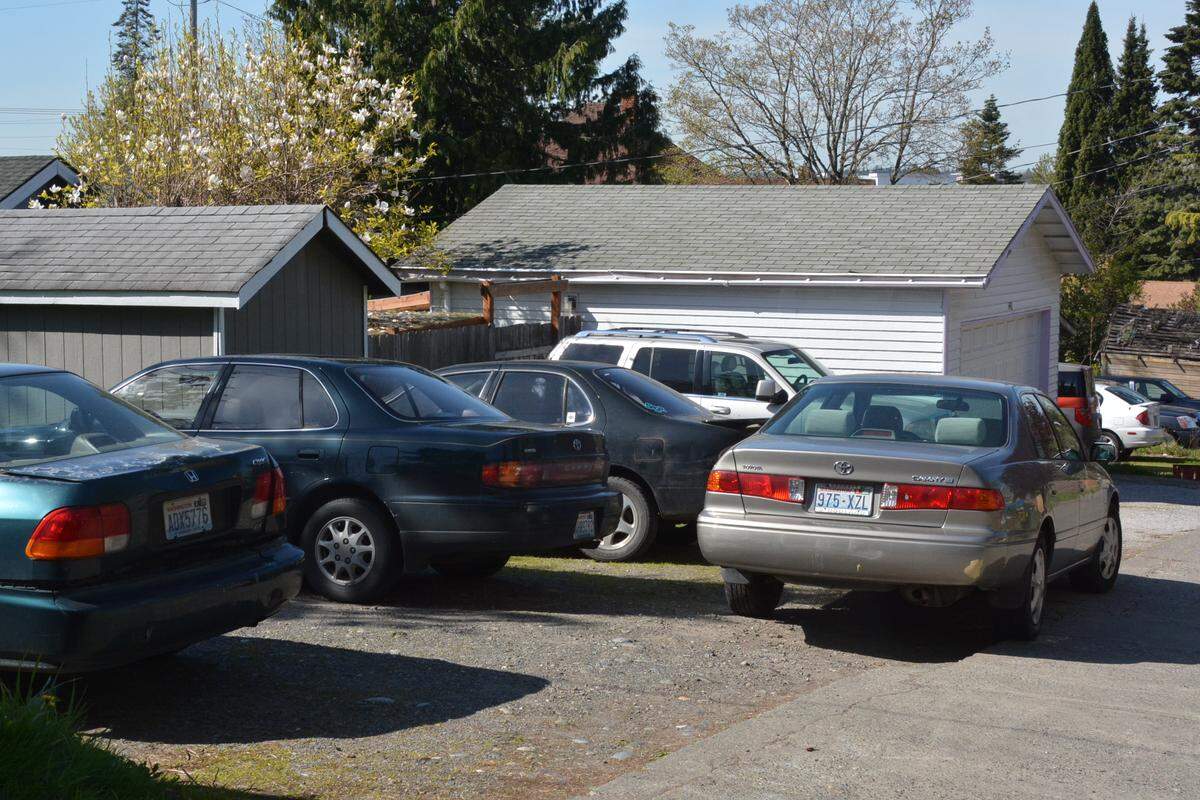
Can I park near a driveway?
Washington also has specific rules about how you should position your vehicle to avoid obstructing traffic.
You’re not allowed to park your vehicle in an alley in a manner that would “block the driveway entrance to any abutting property,” the Washington Administrative Code says. When parking, you have to leave at least “10 feet of the width of the roadway” clear for the “free movement of vehicular traffic,” state law says.
You also can’t block pedestrian traffic.
If your car is parked partially on the sidewalk, make sure there is enough room for people to comfortably pass by, with special consideration for those who use walkers, wheelchairs or other mobility aids.
Where is parking prohibited in Washington?
In Washington, drivers are prohibited from parking at the following spots:
- Next to a car stopped/parked on the side of the street
- On a sidewalk or street planting strip
- In an intersection
- On a crosswalk
- Between a safety zone and adjacent curb
- Along any street excavation or obstruction, if it would impact traffic
- On any highway bridge or elevated structure
- In a highway tunnel
- On railroad tracks
- Between roadways of a divided highway
- Anywhere with signs posted prohibiting parking
Rules about parking near schools vary by jurisdiction.
What if I’m picking up a passenger? Dropping someone off?
According to the Revised Code of Washington, you’re allowed to park or stay in your car with the engine running in certain areas if you are picking up or dropping off a passenger.
Here’s where:
- In front of or within 5 feet of a driveway
- Within 15 feet of a fire hydrant
- Within 20 feet of a crosswalk
- Within 30 feet of traffic control signs and signals
- Within 20 feet of a fire station driveway or 75 feet on the opposite street
- Anywhere with signs prohibiting standing vehicles
- Within 50 feet of a railroad crossing
What are the rules for parking in Tri-Cities?
In addition to Washington state regulations, cities across the state will have their own parking ordinances. You can look up local ordinances to make sure you’re following the rules.
In Tri-Cities, each city has different parking regulations.
Kennewick’s city code specifies that vehicles can’t be abandoned on city streets, giving drivers only 72 hours to move their cars. If you park in front of a residence, you can leave your car there up to two weeks.
Commercial vehicles such as semitrucks are permitted to park in the right-of-way for up to two hours while doing business, city code says.
While drivers in Kennewick need to leave at least 10 feet wide of roadway free for traffic, Richland requires motorists to keep 20 feet of width clear.
Richland’s city code prohibits people from leaving a car in a municipal parking lot for more than 24 hours.
In Pasco, you can’t park on any street or municipal property for more than two weeks.
Posted signs in each city may specify further parking restrictions.
Do I need a parking permit in Olympia? Tacoma? Bellingham?
Some cities and towns require permits to park in certain areas.
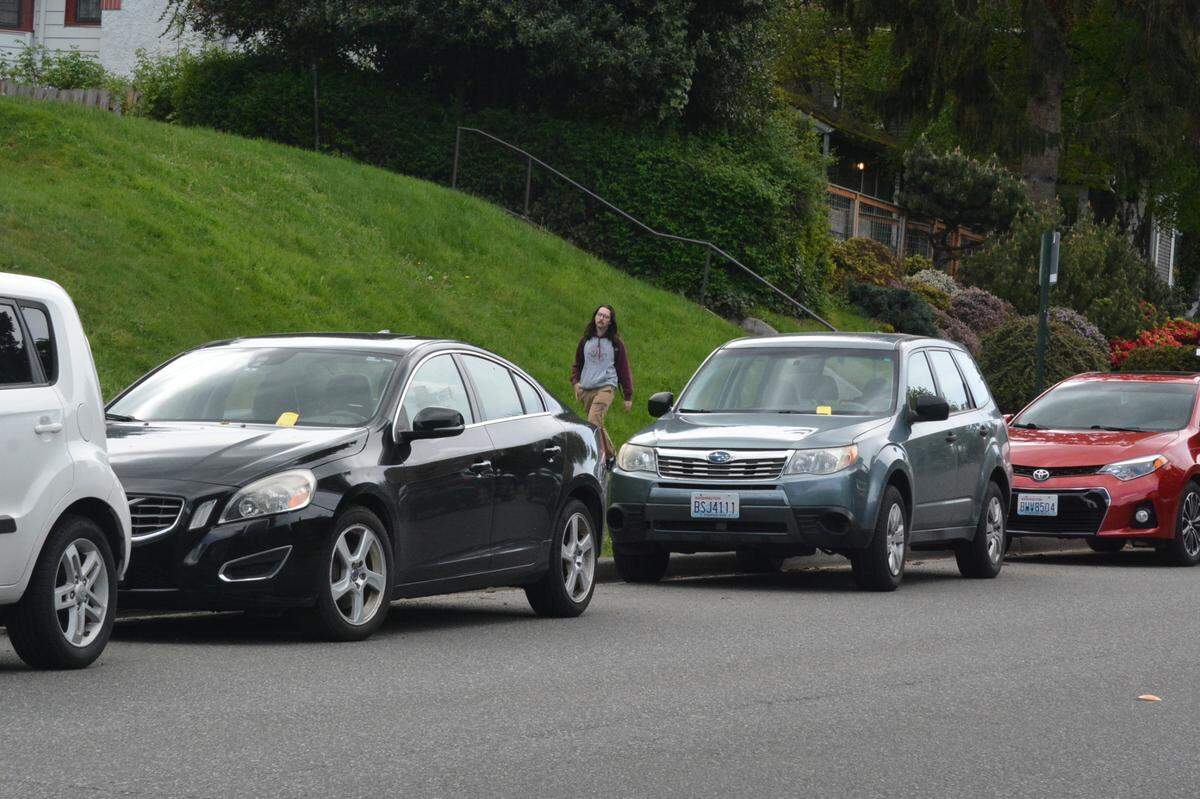
Drivers living in or near downtown Olympia must register their vehicles for on-street parking within residential zones to avoid receiving parking citations, the city said on its website. They also need to obtain guest parking permits for anyone visiting their homes.
Bellingham and Tacoma has a residential parking program also have residential parking programs requiring residents and their guests to get permits to park in neighborhoods outside of established time limits.
Washington cities with paid parking areas charge fines for exceeding the time limit or failing to pay entirely, although some may offer free parking on select days or times.
What are penalties for breaking Washington parking laws?
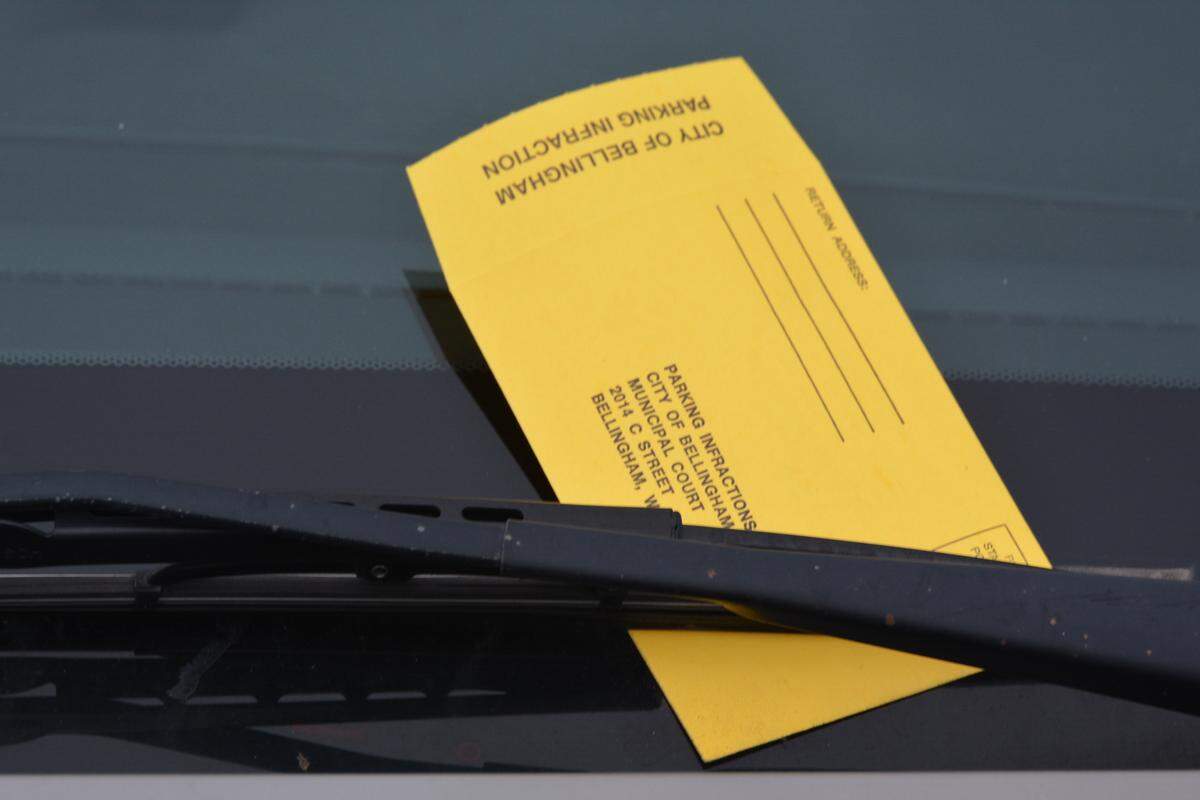
Each city has designated fines for parking violations. Check the local parking guidelines in your area for specific amounts.
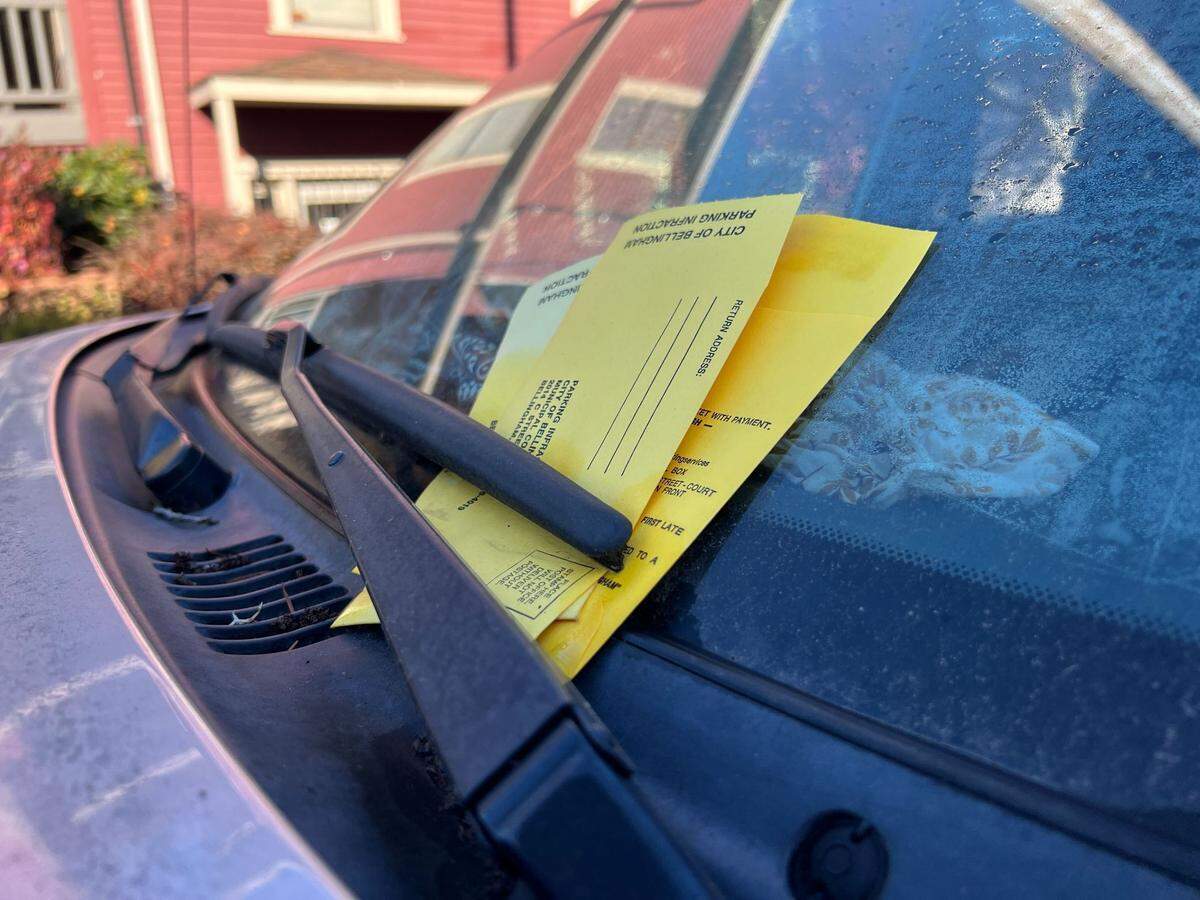
In Bellingham, most parking infractions are punishable by a fine of $60, while the standard fee for parking violations in Olympia ia $75.
In Pasco, fines range from $40 to $80 for most parking violations.
Some infractions will come with a heftier fine. Parking in a spot reserved for disabled people without displaying the proper placard can cost you upwards of $250 in most Washington cities.
This story was originally published September 16, 2025 at 5:00 AM with the headline "Can I park in front of someone’s house in Washington? What state law says."