
Mushrooms sicken 35, kill 3 in California. Are Washington residents at risk?
After poisonous mushrooms sickened 35 people in California and killed three, Washington state residents may be wondering if they’re at risk.
People in San Francisco, Santa Cruz and seven other California counties have been hospitalized due to mushroom poisoning since Nov. 18, resulting in the state’s largest outbreak in more than 25 years, according to the California Department of Public Health.
The Californians ate foraged poisonous death cap mushrooms — scientific name Amanita phalloides — after mistaking them for “familiar edible varieties,” officials said.
What does this mean for Washington? Here’s what to know:
Are poisonous mushrooms common in Washington state?
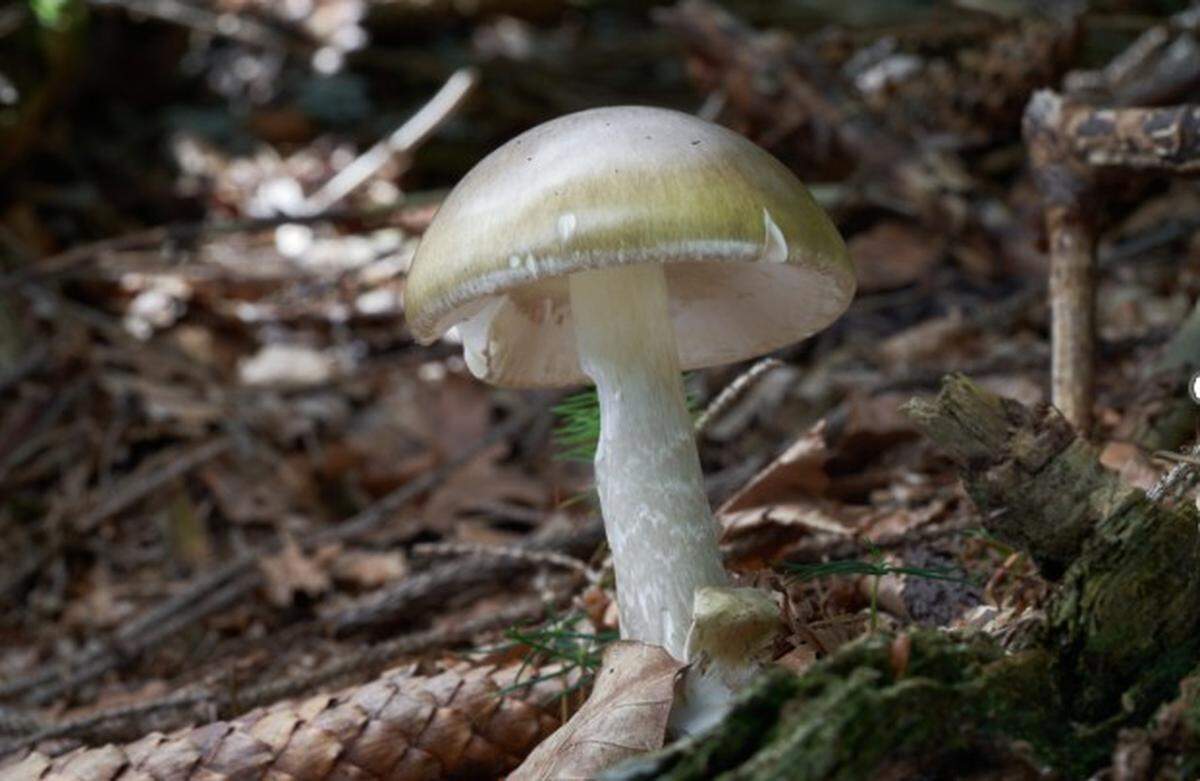
Washington state is home to a variety of poisonous mushrooms, including death caps, funeral bells, lilac bonnets and sulphur tufts, according to Bird Watching HQ founder Scott Keller.
“Death caps live in symbiotic relationships with oak and beech trees,” Bird Watching HQ said. “They can also be found in circles in the forest, known as fairy rings.”
YouTube User Mushroom Wonderland went in search of death cap mushrooms in the Tacoma area in 2020, sharing a video of the “beautiful, elusive and mysterious killers.”
What do death cap mushrooms look like?
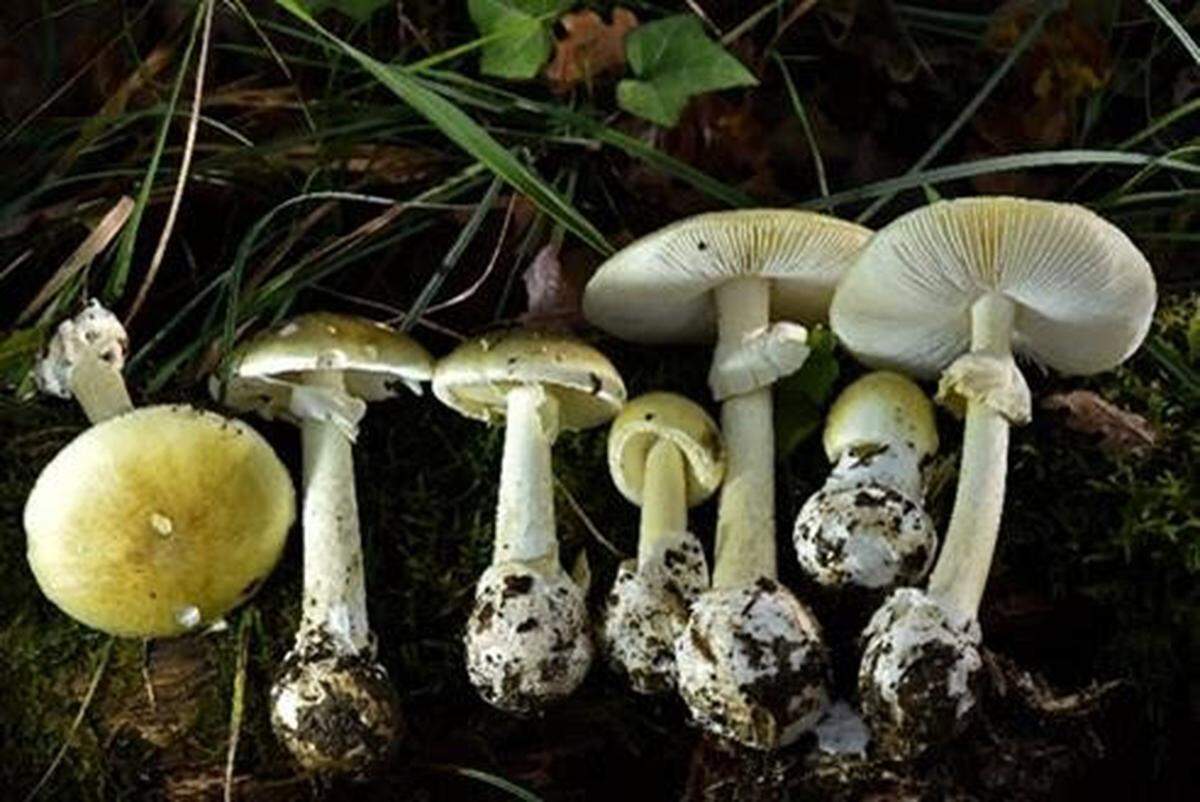
Death cap mushrooms are easily mistaken for edible varieties, since they “look and taste similar to safe mushrooms,” according to the California Department of Public Health.
“Some (toxic fungi) may resemble mushrooms that you can buy in a grocery store,” the public health agency said.
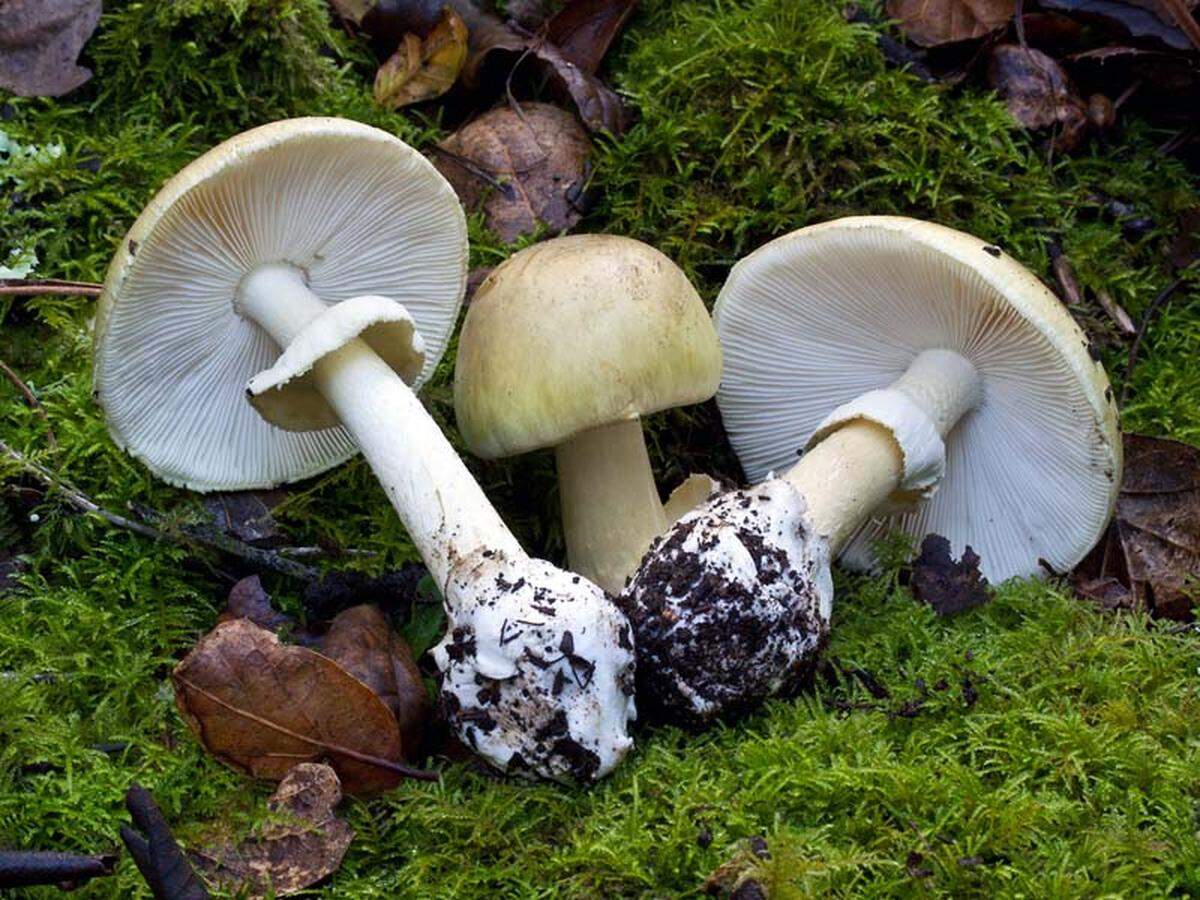
Death cap mushrooms have shiny olive-yellow to greenish-bronze caps with white gills and stems, according to The Woodland Trust in England.
The fungi smell “sickly sweet and rancid when old, though at the button stage is virtually odourless,” The Woodland Trust said on its website.
What are common symptoms of mushroom poisoning?
Cooking, boiling, drying or freezing poisonous mushrooms does not make them safe to eat, according to health officials.
Symptoms of mushroom poisoning typically appear 6 to 24 hours after ingestion and can include severe vomiting, abdominal cramps and diarrhea, according to Public Health Insider, a website run by Public Health – Seattle & King County.
Additional symptoms may include headache, dizziness and coughing.
“Typically, the symptoms clear up, and the poisoned person feels better for a day or so,” Public Health Insider said.
However, toxins in death cap mushrooms continue working in the body for days, public health officials said, eventually leading to liver, kidney and other organ failure and death.
“There is no antidote for poisonous mushrooms,” Public Health Insider explained, adding that “a single mushroom can contain enough poison to kill multiple adults.”
.png "unnamed (1).png")
Which mushrooms are safe to forage and eat?
According to the Puget Sound Mycology Society and Washington Poison Center, keep these tips in mind when foraging for wild mushrooms in Washington state:
- Always be 100% certain that the mushroom is safe to eat.
- Only eat a small amount when trying a new type of mushroom. Keep a sample and take a photo of the mushroom, in case you become sick later.
- Only try one type of mushroom at a time – and wait 24 hours for any reactions.
- Only eat mushrooms that are in good condition. Do not forage where there may be chemicals on the ground, such as a lawn or a golf course.
- Always cook your mushrooms thoroughly but know that heat does not kill amatoxins.
- Do not assume the mushroom is safe just because you saw another animal eating the mushroom.
What should I do if I feel sick after eating wild mushrooms?
If you experience symptoms after eating wild mushrooms, call the Washington Poison Center at 1-800-222-1222.