
WA bill would make it easier for officials to remove derelict or deserted boats
AI-generated summary reviewed by our newsroom.
- Bill helps agencies remove derelict vessels faster by easing owner-identification rules.
- The change to state law qualifies boats that miss two registration cycles as derelict.
- Supporters say earlier removals will reduce costs and environmental and safety risks.
It can take weeks, months or even years before deserted vessels are removed from the waters of Puget Sound. A bill in the state Legislature aims to change that.
House Bill 2199 was scheduled for executive session in the House Committee on Agriculture & Natural Resources on Feb. 4. Lawmakers passed the bill out of its policy committee and onto the next step in the legislative process.
The bill aims to get derelict vessels removed more quickly, including by eliminating the requirement that public entities identify the owner before pulling boats out of the water, said state Rep. Adison Richards, District 26, the bill’s primary sponsor. District 26 includes the Gig Harbor and Key Peninsula areas as well as areas extending north to Bremerton.
“This happens too routinely ... where derelict vessels go under, or just left on the beach, and now it’s the responsibility of taxpayers, apparently, to take care of it,” he said. “And to me, that’s not acceptable.”
Several people spoke in favor of the bill at a public hearing before the House Committee on Agriculture & Natural Resources Jan. 27, saying that the bill’s changes to state law will lower the bar for agencies to act fast on boats that pose a risk to public safety and the environment. No one spoke against the bill at the hearing.
“Derelict vessels are not just an eyesore, they pose a real and escalating risk for fuel releases, debris fields, navigation hazards, shoreline damage and threats to our public safety,” James Weaver, port manager for the Port of Poulsbo in Kitsap County, said at the hearing. “In many cases, by the time the existing statutory thresholds are met, this environmental harm has already occurred, and the public always bears the cost.”
State law authorizes a number of public entities to take charge of abandoned or derelict vessels, including the Washington State Department of Natural Resources, the Department of Fish and Wildlife, metropolitan park districts and cities and counties with jurisdiction over the aquatic lands where a boat is found. The state defines an “abandoned” vessel as one that remains in the same area (within a 5-mile radius), unauthorized by the owner, manager or lessee of the aquatic lands in that area, for more than 30 consecutive days or for more than 90 days in any 365-day period. The owner isn’t known, can’t be found or won’t take control of their boat, per the state definition.
Meanwhile, a “derelict” vessel is one that remains on public or private property without authorization or has been left for seven consecutive days and meets at least one of three criteria: It’s at risk of sinking or has already sunk; it’s blocking a waterway, or it poses a risk to life or property, according to state law. Owners of derelict vessels are by definition “known and can be located.”
Richards’ bill proposes to modify that definition slightly. If the bill passes, the law would remove the criteria that “derelict” vessels have a known and findable owner and would add a new option: A vessel could be considered derelict if it “has been in violation of state registration requirements under (state law) for at least two full annual registration periods,” the bill says. An amendment adds the caveat that such unregistered vessels need to be prioritized for removal.
“So if you haven’t registered the boat multiple times, and it meets the list of priorities for removal from the local law enforcement for DNR, those are the boats that are going to come out of the water,” said Richards.
Joe Smillie, a spokesperson for the Department of Natural Resources, wrote in an email Feb. 3 that the department supports the bill.
“This bill would make Washington’s waterways safer by helping DNR and its local partners respond sooner and more efficiently to derelict and abandoned vessels,” he wrote. “We’ve had vessels break loose and damage property and habitat while awaiting custody in the past, and this could help avoid that in the future. We’re not looking for any more boats – we have more than enough already. We just want to make sure we can keep vessels that break free or are abandoned from endangering our waterways while we get in touch with their owners.
“We’re always removing derelict vessels from Washington’s waterways, but we still have 351 on our inventory of vessels of concern, so we’ll take all the help we can get in getting to them faster and cheaper.”
The Department of Natural Resources posts the long list of vessels that need attention on its website.
Under existing state law, a public entity seeking to take custody of an abandoned or derelict vessel has to mail a notice at least 10 days prior to taking custody, post a notice on the vessel for 15 days and post a notice online. The owner is legally responsible for paying for the vessel’s removal and disposal, and is liable for a misdemeanor for allowing the vessel to become abandoned or derelict.
In emergency situations, a public entity can take “temporary possession” of that vessel if the boat “is in immediate danger of sinking, breaking up, blocking navigation channels or posing an imminent threat to human health or safety, including the threat of environmental contamination,” as explained on the Department of Natural Resources website. The custody procedure follows if the owner doesn’t come forward.
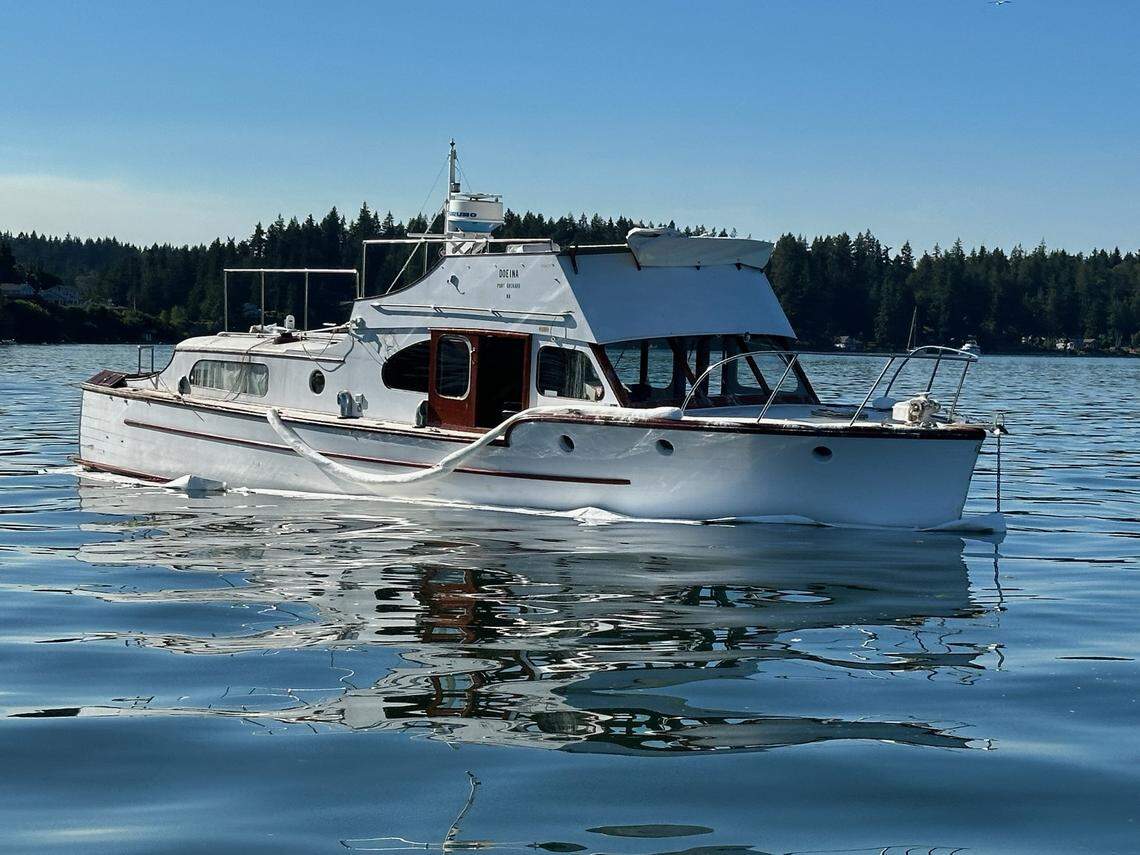
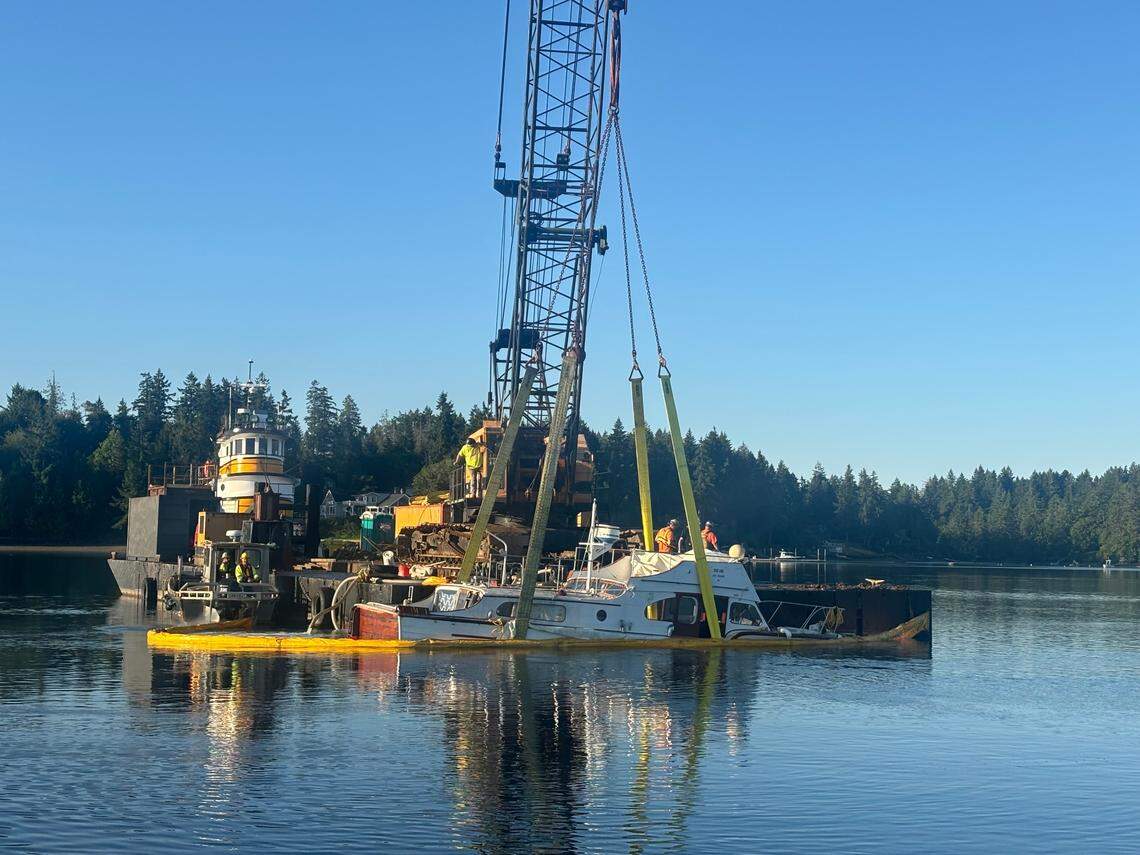
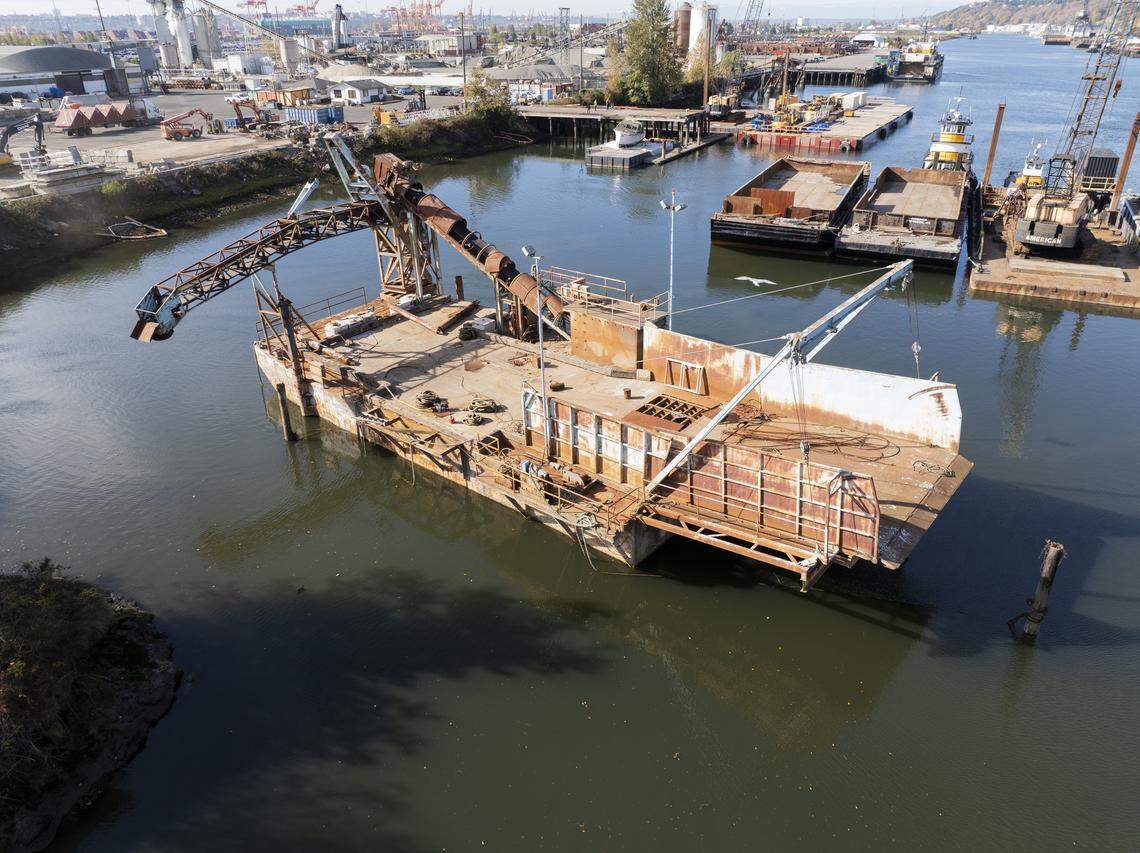
The News Tribune has reported on multiple derelict and abandoned vessels over the years in Pierce County. The city of Tacoma removed a boat that washed up on Titlow Beach in July 2024. The Department of Natural Resources removed an abandoned yacht visibly sinking in Filucy Bay last July. The Port of Tacoma removed and destroyed a derelict barge called the Disawah from the Hylebos Waterway last November.
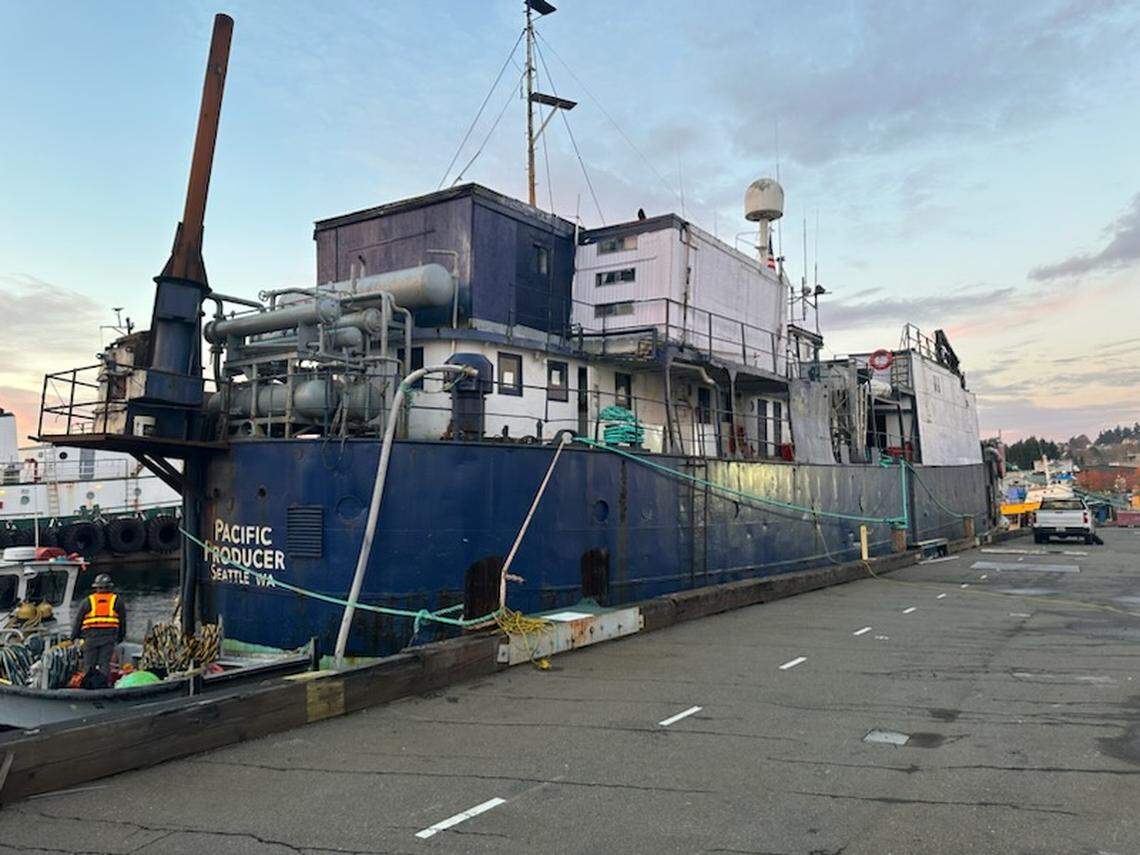
Removing abandoned and derelict vessels can cost taxpayers millions. In one notorious example, taking charge of and safely disposing of a large abandoned vessel called the Pacific Producer cost the Department of Natural Resources at least $3.9 million, InvestigateWest reported. The former seafood processor sprung an ammonia leak in August 2023 and was sinking into Foss Waterway, leading DNR’s derelict vessel program to declare the situation an emergency, The News Tribune reported.
Meanwhile, the program is strapped for funding and can’t keep up with the number of vessels that need attention, Richards said at the hearing. The Derelict Vessel Removal Program is funded at $17.1 million in the 2025-2027 biennium, drawing from waterfront excise tax revenue, vessel registration fees, a Marine Debris Removal Grant from NOAA and the state capital budget, according to the Department of Natural Resources website. The department is obligated under state statute to spend the funds on removing derelict and abandoned vessels and to set criteria for prioritizing projects for removal. The funds can also be used to reimburse other public entities for removing vessels.
Richards told The News Tribune that the bill aims to cut costs by giving local officials the ability to address problematic boats earlier, rather than when the boats have sunk or run aground on a beach. It’s “way more expensive” for the Department of Natural Resources or local governments to remove a sunken vessel than to store it, and those storage costs are supposed to be at the owner’s expense, he said.
Richards’ original bill also proposed to start the 30-day clock for owners to appeal the removal of their boats from the time that the boat is secured or removed, rather than the time it enters the public entity’s custody. The original fiscal note said that the bill’s proposed changes would result in increased administrative costs to the Department of Natural Resources. Richards later submitted an amendment removing the change to the 30-day timeline along with other changes, and he expects the fiscal impact to go down to $0, he told The News Tribune.
This story was originally published February 3, 2026 at 12:58 PM with the headline "WA bill would make it easier for officials to remove derelict or deserted boats."
