
Which animals are endangered in Washington state? See the list
Earth Day is a time to celebrate Mother Earth and everything it has given us.
It’s also a time of awareness.
Several animal species in Washington state are listed as federally endangered under the Endangered Species Act
An endangered species is “in danger of extinction throughout all or a significant portion of its range,” the U.S. Geological Survey said.
Here’s what to know ahead of Earth Day on Wednesday, April 22:
Why do animals become endangered?
“Although extinctions occur naturally, the current rate of plant and animal extinctions is much higher than the natural or historical rates,” the U.S. Geological Survey said.
Humans represent the greatest threat to wild animals’ existence, the federal agency said.
“Habitat loss is the primary cause of higher extinction rates,” the U.S. Geological Survey said. “Other causes include habitat changes, over-exploitation of wildlife for commercial purposes, the introduction of harmful nonnative species, pollution and the spread of diseases.”
Which whales are endangered in Washington state?
According to the Washington Department of Fish and Wildlife, endangered species under federal protection in Washington state include several types of whales:
- Blue whale
- Fin whale
- Humpback whale
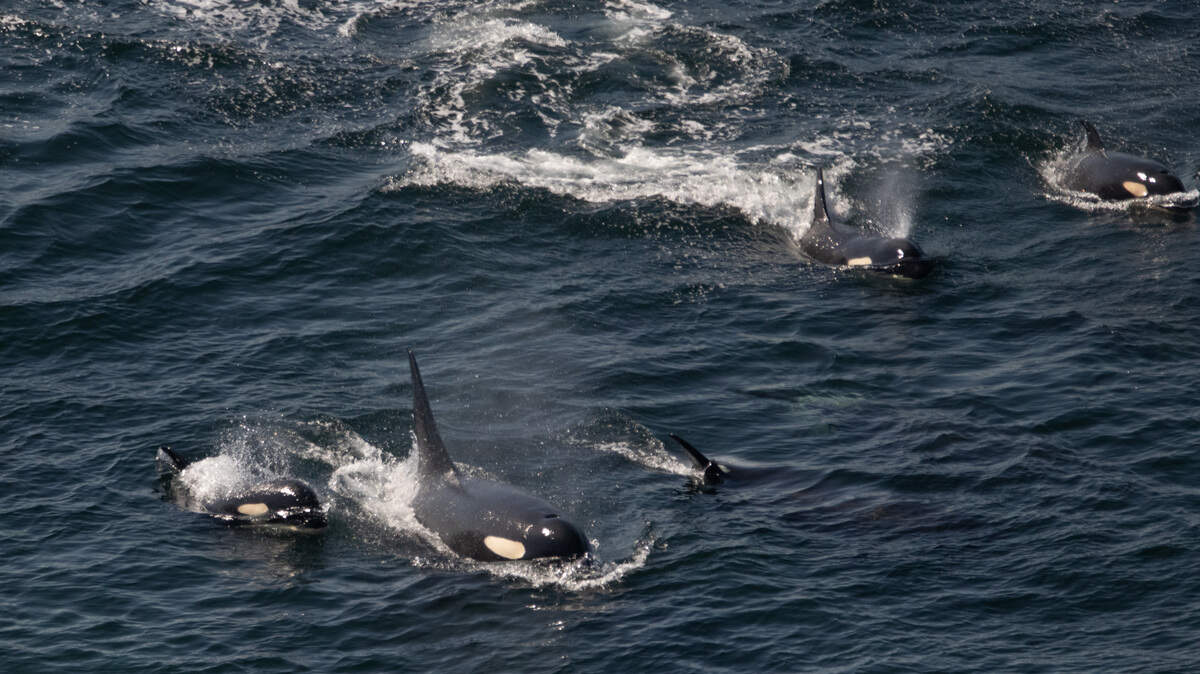
- Orca
- North Pacific right whale
- Sei whale
- Sperm whale
What mammals have federal protection in Washington state?
Other endangered mammals in Washington State include the pygmy rabbit, the woodland caribou and the gray wolf.
The Columbia Basin pygmy rabbit is a miniature rabbit and is endangered due to “loss and degradation of shrubsteppe primarily due to conversion and fragmentation of this habitat to cropland and development,” according to the Department of Fish and Wildlife.
Southern mountain caribou, found in Washington state, Idaho and British Columbia, “inhabit rugged mountainous regions with old-growth forests,” the Washington Department of Fish & Wildlife Department.
“This population had been adversely affected by predation, logging and roads,” the state agency said.
It’s illegal to kill, harm or harass gray wolves in Washington state.
Although the species was “federally delisted” in the eastern one-third of the Evergreen State as of 2022, it remains federally listed in two-thirds of Western Washington, according to the state Fish & Wild Department.
Which fish species are endangered in Washington?
In Washington state, several fish species are listed as federally endangered.
Bocaccio, also known as rockfish or red snappers, are commonly found along the Pacific coast, according to the National Oceanic and Atmospheric Administration.
The Puget Sound population faces threats including bycatch, habitat loss and overfishing, the federal agency said.
Climate change, dams and commercial and recreational fishing threaten the sockeye salmon population in the Snake River in southern Washington, placing it on the federal endangered list.
“Sockeye salmon are vulnerable to many stressors and threats including blocked access to spawning grounds and habitat degradation caused by dams and culverts,” NOAA said.
Similarly, the Chinook salmon population on the Upper Columbia River Spring is federally protected as endangered.
“In general, Chinook salmon appear sensitive to warmer water temperatures, low flows and high flows,” which can affect performance, “developmental rates and the timing of key life-cycle transitions,” the Washington Department of Fish & Wildlife said.
How can I help protect endangered animals?
The Endangered Species Coalition has a few easy steps you can take to help the endangered animals in your area.
They include:
- Learn about endangered species in your area.
- Visit a national wildlife refuge, park or other open space.
- Make your life wildlife friendly.
- Provide habitat for wildlife by planting native vegetation in your yard.
- Minimize use of herbicides and pesticides.
- Recycle and buy sustainable products.
“Teach your friends and family about the wonderful wildlife, birds, fish and plants that live near you,” the animal advocacy organization said. “The first step to protecting endangered species is learning about how interesting and important they are.”
This story was originally published April 22, 2026 at 5:00 AM with the headline "Which animals are endangered in Washington state? See the list."