
Hanford nuclear site lost 37% of federal staff under Trump job cuts
AI-generated summary reviewed by our newsroom.
- DOE lost 96 DOE Hanford employees in year of Trump job cuts
- Hanford started this year with 209 federal employees and 175 federal vacancies
- DOE employees oversee the work of thousands of contractor workers at the nuclear site
The Department of Energy lost 96 employees, or 37% of its Tri-Cities staff who oversee the environmental cleanup of the Hanford site, says a new Government Accountability Office report.
The overall loss of workers overseeing DOE environmental cleanup work across the nation raises questions about the safety of operations now and in the future, according to the GAO.
Of particular concern at Hanford, were 29 engineers and scientists, including some federal project directors, that the GAO called “mission-critical staff.”
DOE hires contractors to do most of the work at Hanford, spending nearly $3 billion a year on environmental cleanup.
The work is overseen by federal employees based in Richland. Hanford provides jobs for about 13,000 people, most of them contractors and subcontractors of the federal government, based on the number of security badges for the site.
The number of federal employees at Hanford dropped from 305 to 209 in fiscal 2025 that ended last September largely because of the Trump administration’s deferred resignation program, according to the GAO.
The report said that 73 workers took the deferred resignation offer, volunteering to be laid off as early as spring 2025 in exchange for paid administration leave in many cases through the end of December as part of an initiative to reduce the federal workforce across federal agencies nationwide.
Among the others who lost their jobs at Hanford were employees who were automatically dismissed in the federal job cutting initiative because they were still in probationary or trial periods, some of which last for three years.
A federal hiring freeze has limited the number of positions than can be backfilled. Now DOE at Hanford has 175 open positions for a vacancy rate of 46%.
The GAO said that some positions require extensive training because work is specific to DOE. At Hanford an employee who has been there for two to five years can still be considered a “new hire” because of the technicality of the role and the amount of learning required.
DOE started 2026 short of two federal project directors at Hanford, according to the GAO.
It said that to become fully trained and qualified to oversee certain projects at Hanford, federal project directors need to go through an extensive qualification process that can take up to 10 years.
Across the DOE environmental cleanup complex, 59 vacant positions are of high concern because they are key to safety, the report said.
Officials at DOE Office of Environmental Management in Washington, D.C., said that “leaving these positions vacant means there are fewer people to manage the workload, resulting in employees potentially burning out with heavy workloads, which gives them concern over the safety of operations,” according to the GAO report.
Officials told the GAO that there had not yet been a work stoppage because of vacant positions.
Filling gaps at Hanford site
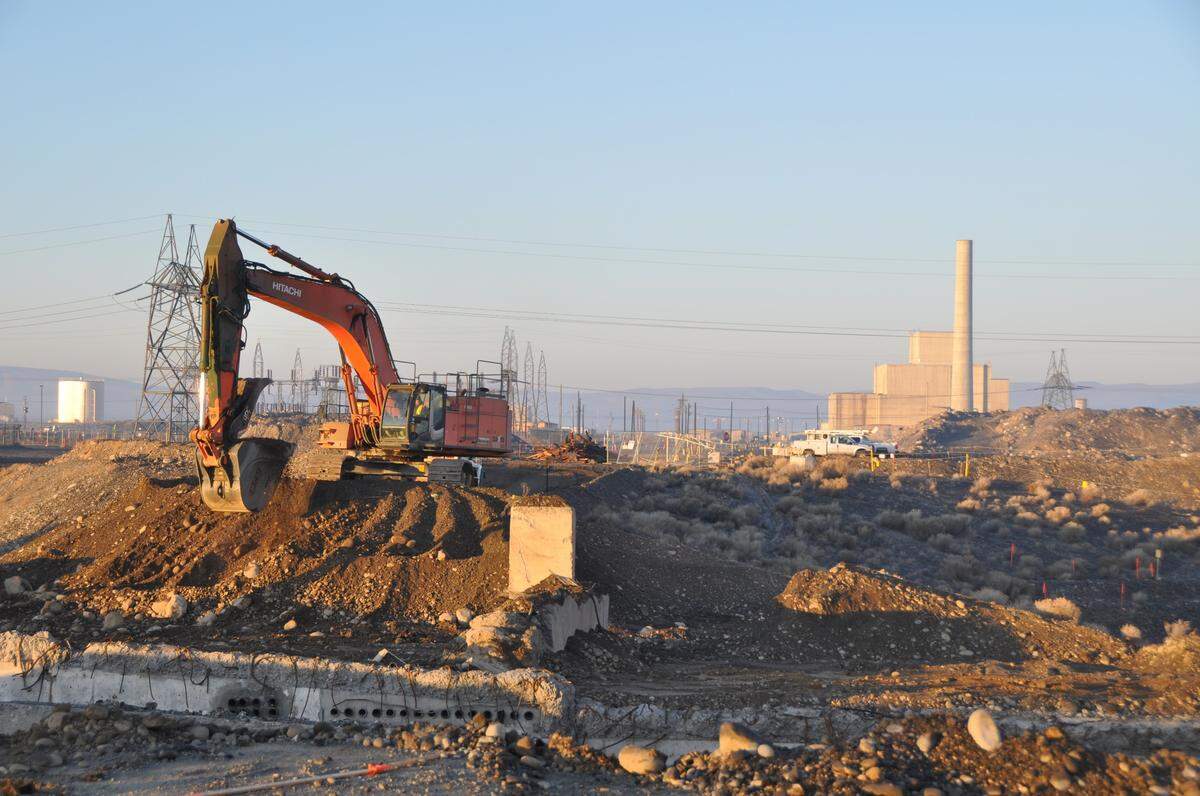
DOE has hired some general support service or technical assistance contractors and shifted some tasks to site contractors to allow work to continue with fewer DOE employees, the GAO said.
Now it is reassessing its federal staffing needs for environmental cleanup and reorganizing, according to the GAO report.
DOE expects to add 22 federal workers at the Hanford site this fiscal year.
DOE has been losing knowledge at a rapid rate as employees continue to retire or resign, and attrition is expected to remain high for the next several years, the report said.
The average age of federal workers at Hanford is 49.
By the end of this fiscal year 38 workers will be eligible to retire and by the end of fiscal 2030 that will climb to a total of 62 workers. Those workers include 11 general engineers, six nuclear engineers and eight general physical scientists.
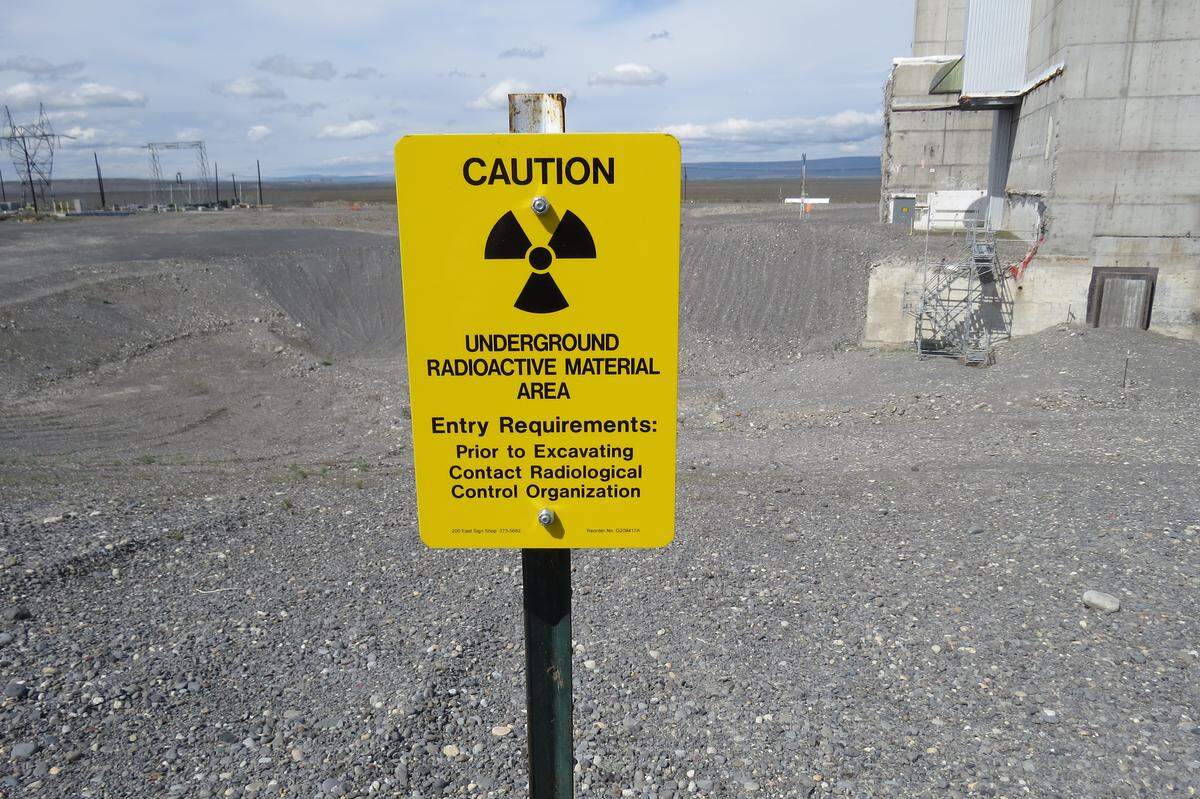
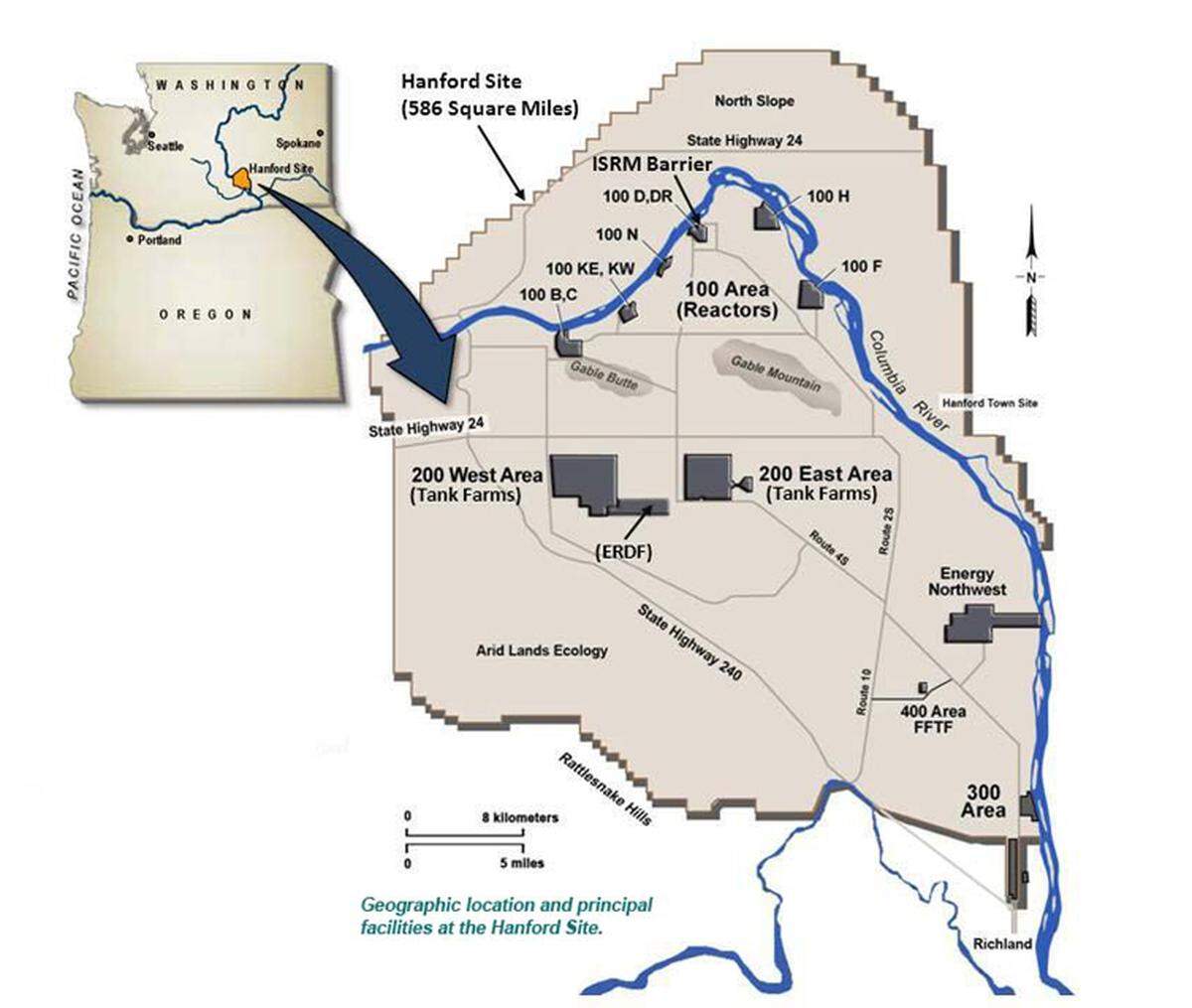
The 580-square-mile Hanford nuclear site adjacent to Richland in Eastern Washington was used from World War II through the Cold War to produce nearly two-thirds of the plutonium for the nation’s nuclear weapons program.
The site, which the Columbia River flows through, continues to have 56 million gallons of radioactive waste in underground tanks and soil, water, waste sites and buildings with extensive radioactive and hazardous chemical contamination that must be remediated.
This story was originally published May 21, 2026 at 5:00 AM with the headline "Hanford nuclear site lost 37% of federal staff under Trump job cuts."