
Are life jackets required for kayaks, paddleboards in WA? See safety tips
Summertime in Washington state brings swarms of people ready to recreate in the water.
From boaters to swimmers, many head to local rivers, lakes, bays and other waterways for some summer fun.
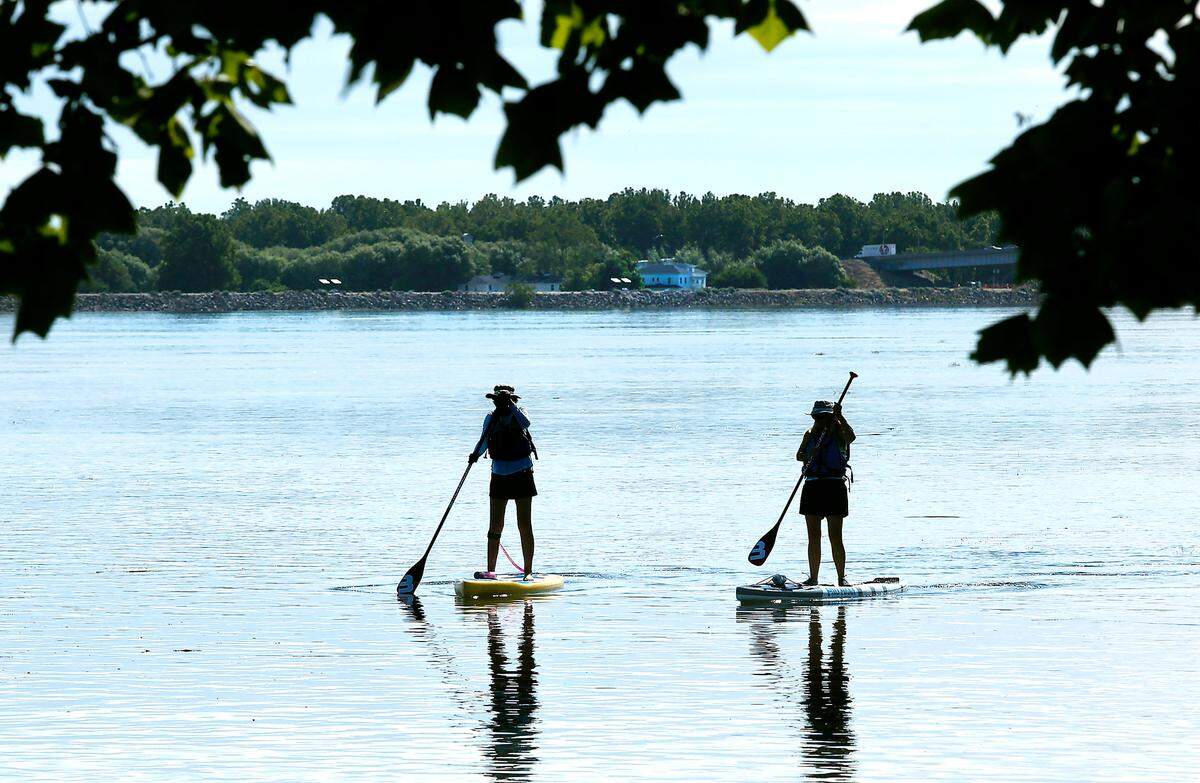
Paddle sports including paddleboarding, kayaking and canoeing are incredibly popular in the Evergreen State.
According to the most recent study from the Washington State Recreation and Conservation Office, more than half of survey respondents said they participate in paddle sports.
That’s a 28% increase from 2017, making paddle sports one of the most popular recreational activities in Washington state.
Here’s what to know before you head out on the water:
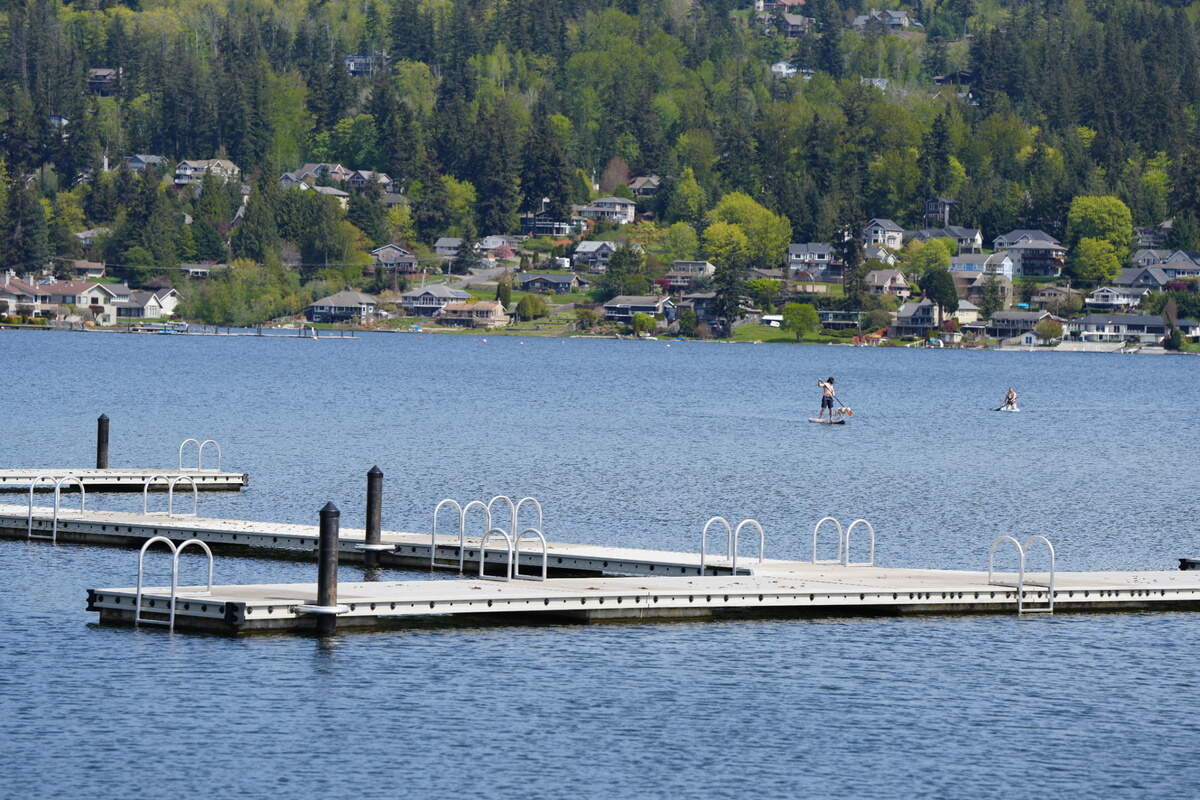
Are Washington paddle sports safe?
With a growth in paddle sports popularity comes a growing potential for dangerous incidents.
As a result, the state has increased its related safety campaigns.
In previous years, one week in late July was usually designated as Paddle Safe Week, dedicated to proper paddling practices and requirements in Washington state waters.
The Recreational Boating Safety Program launched an additional campaign in 2025 focused specifically on wearing a life jacket while out on the water.
Data from 2023 to 2024 shows that 61% of boating fatalities reported in the state involved paddle sports. In that time, 22 paddle sport fatalities were recorded, and 18 involved paddle sports participants who were not wearing life jackets.
While boaters in Washington state must obtain a boater education card by taking a safety course, there are no such requirements for paddlers. Subsequently, some recreators may not know about the laws involving paddle sports and recommended safety practices to follow.
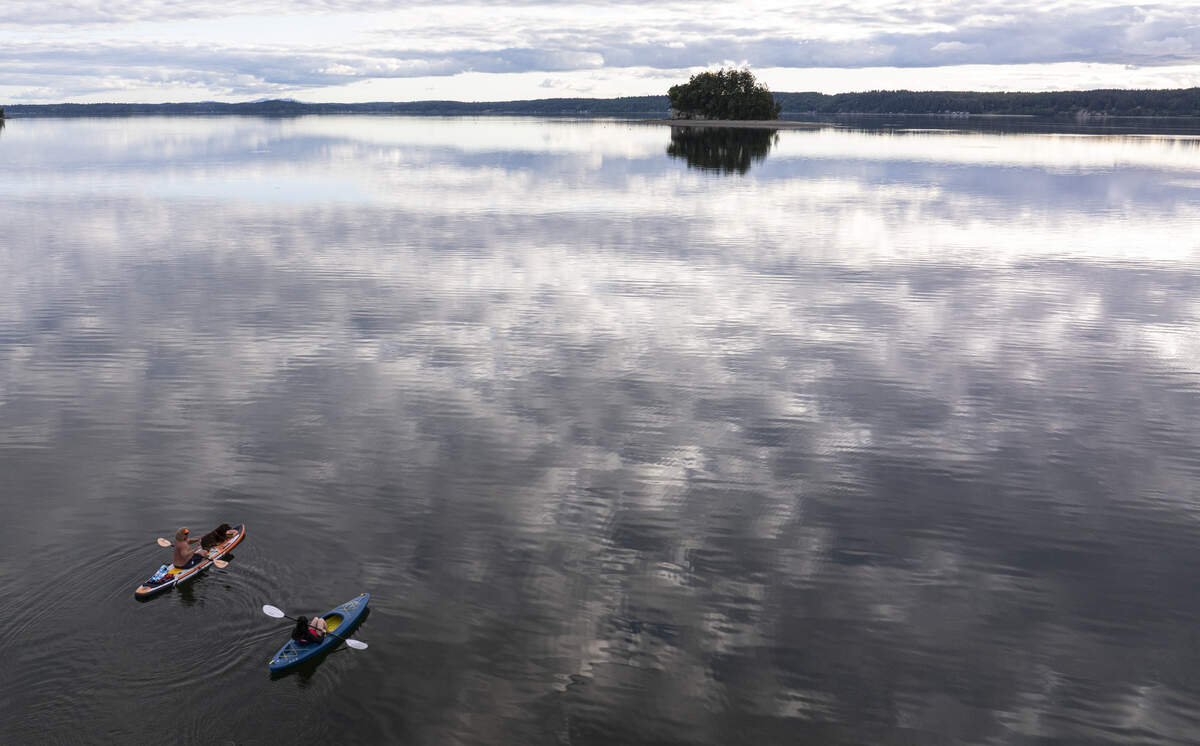
What are state laws and best practices for paddle sports?
Under Washington state law, anyone taking part in paddleboarding, kayaking or other paddle sports must have a life jacket with them.
Simply carrying a life jacket is enough in the eyes of the law, but multiple experts strongly recommend wearing one all of the time.
“Having it with you won’t save a life in case of an emergency,” Derek VanDyke, Washington State Parks recreational safety education coordinator, said in a 2025 news release. “You have to wear it.”
State law also requires water recreation enthusiasts to carry a sound device such as a whistle for emergencies.
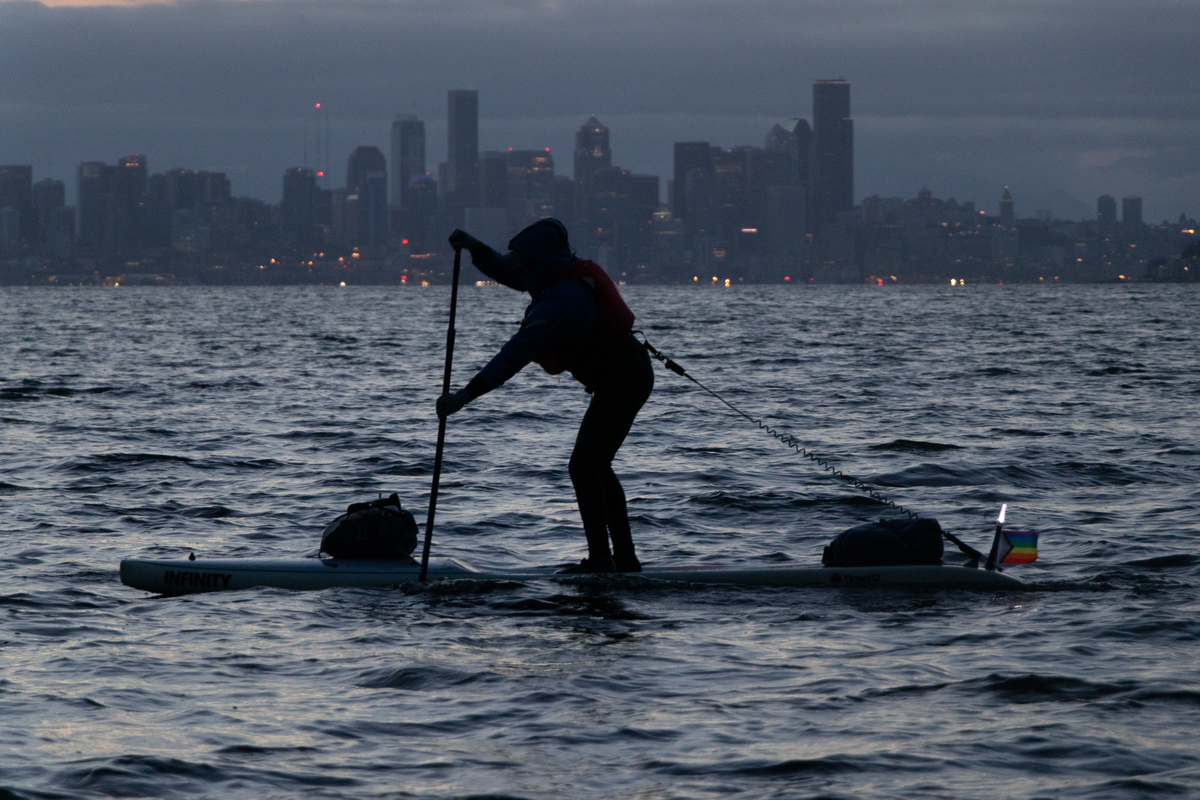
If you’re out on the water at night, you must carry a navigational light and visual distress signal as well.
In addition, experts recommend carrying a distress flag, a phone or VHF radio for emergency communications, and a quick release leash, which connects a person to their board while allowing for fast emergency release.
The Benton-Franklin Health District recommends familiarizing yourself with boating hand signals. There are also paddle sport-specific hand signals.
According to the U.S. Coast Guard, alcohol is a factor in nearly one-third of fatal boating accidents, including those involving water sports enthusiasts such as paddlers. Safety agencies highly recommend staying sober when headed out for water recreation.
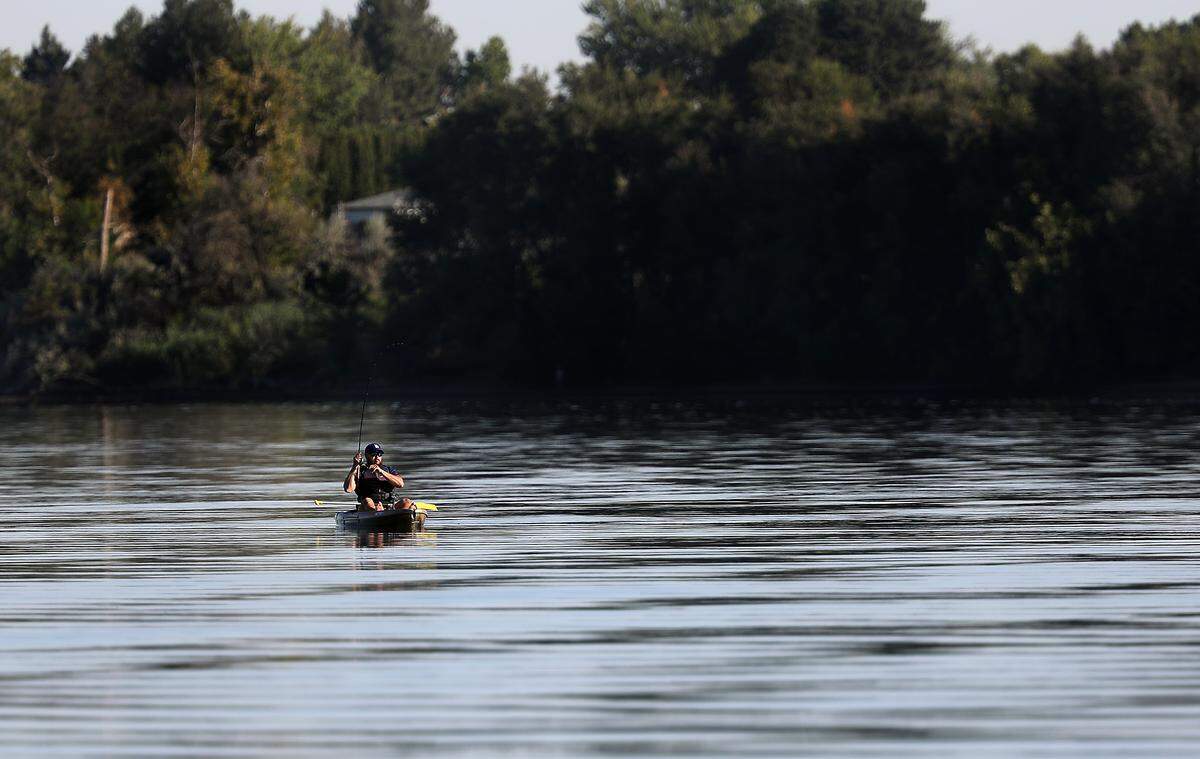
What should I wear for paddleboarding or kayaking?
Proper gear and apparel is important for paddle sport safety.
Be sure to dress for the temperature of the water, not the temperature of the air, according to Alisha Grow, a paddle sport expert in the Tri-Cities area.
During the spring, you should wear full wet or dry suits to avoid hypothermia and cold shock. In the summer, rash guards, quick-drying shorts and water shoes are recommended.
Be sure to choose the right life jacket and the best paddle type for your purposes, and educate yourself on each piece of your gear.
Grow said she sometimes runs into paddlers without life jackets. When she tries to inform them about the law, they often respond that they’re a “great swimmer.”
“You don’t want to take that chance,” Grow said. “Life jackets, in our eyes, are non-negotiable… They’re the single most important piece of safety gear that a paddler can have, and it needs to be properly fitted and Coast Guard approved. It gives you that critical chance to recover or be rescued if something goes wrong.”
Paddlers in the Pacific Northwest should not only wear properly-fitted life jackets, but also carry at least two waterproof ways to call for help, the U.S. Coast Guard said in a June 2025 news release.
Health District public health educator Sierra Kempney previously told McClatchy Media that even the strongest swimmers can get pulled under a current or lose their strength in cold water.
“For our paddlers, a life jacket isn’t just for beginners or big adventures. It’s for every paddler, every time…” Grow said. “We are actively working to normalize wearing them as part of paddle culture.”
The Health District also recommends recreating in groups, and when taking kids out on the water, having a designated “water watcher.” This person supervises any children in and around the water without distractions.
Since drowning is a top cause of accidental death among children in Washington state, according to the Health District, extra vigilance should be used when supervising kids around water.
Life jackets are the key, saving children and adults alike in dangerous scenarios.
Which life jackets are required in Washington waters?
State law requires flotation devices when getting in the water.
The easiest option for compliance is a U.S. Coast Guard-approved life jacket. Be sure it fits you snugly and securely, and check the inside label for proof of this approval.
Compliant life jackets come in different variants. The Health District recommends Type III or V life jackets for paddle sports.
There are numerous Type V life jackets, and many have restricted use recommendations. Belt pack-types are Type V life jackets, but Grow does not recommend them for paddle sports.
She says one of the most dangerous scenarios occurs when a paddler becomes disoriented, injured or unconscious, which can happen for various reasons on the water.
Belt packs and similar devices require an action from the wearer to inflate, making them ineffective in these scenarios, unless they were inflated in advance.
Grow prefers Type III life jackets and recommends NRS gear, though she clarified that any life jacket is better than none.
Washington State parks has life jacket loaner stations across the state. This online map can be used to identify the closest near you.
Where to learn paddle sport safety
In previous years, the State Parks’ Recreational Boating Safety Program has offered Paddle Safe courses, a hands-on training program for youth interested in paddle sport safety. Upon course completion, kids received a life jacket to take home.
No courses had been announced for 2026 as of Tuesday, July 7.
However, free online paddlesport courses are always available, and local companies offer hands-on training across the state.
This story was originally published July 11, 2026 at 5:00 AM with the headline "Are life jackets required for kayaks, paddleboards in WA? See safety tips."