
It’s wildfire season in Washington state. Experts share tips to protect your home
As the weather gets warmer in Washington state, risks for wildfires grow.
In the Pacific Northwest, a total of 4,466 fires burned nearly 500,000 acres in 2025, according to the U.S. Forest Service.
Major blazes included the Bear Gulch Fire.
The human-caused wildfire scorched 20,233 acres in the Olympic National Park area, the Forest Service said, making it the largest wildfire on the Olympic Peninsula since 1951.
What can you do to protect your home and family in Washington state?
Here’s what to know:
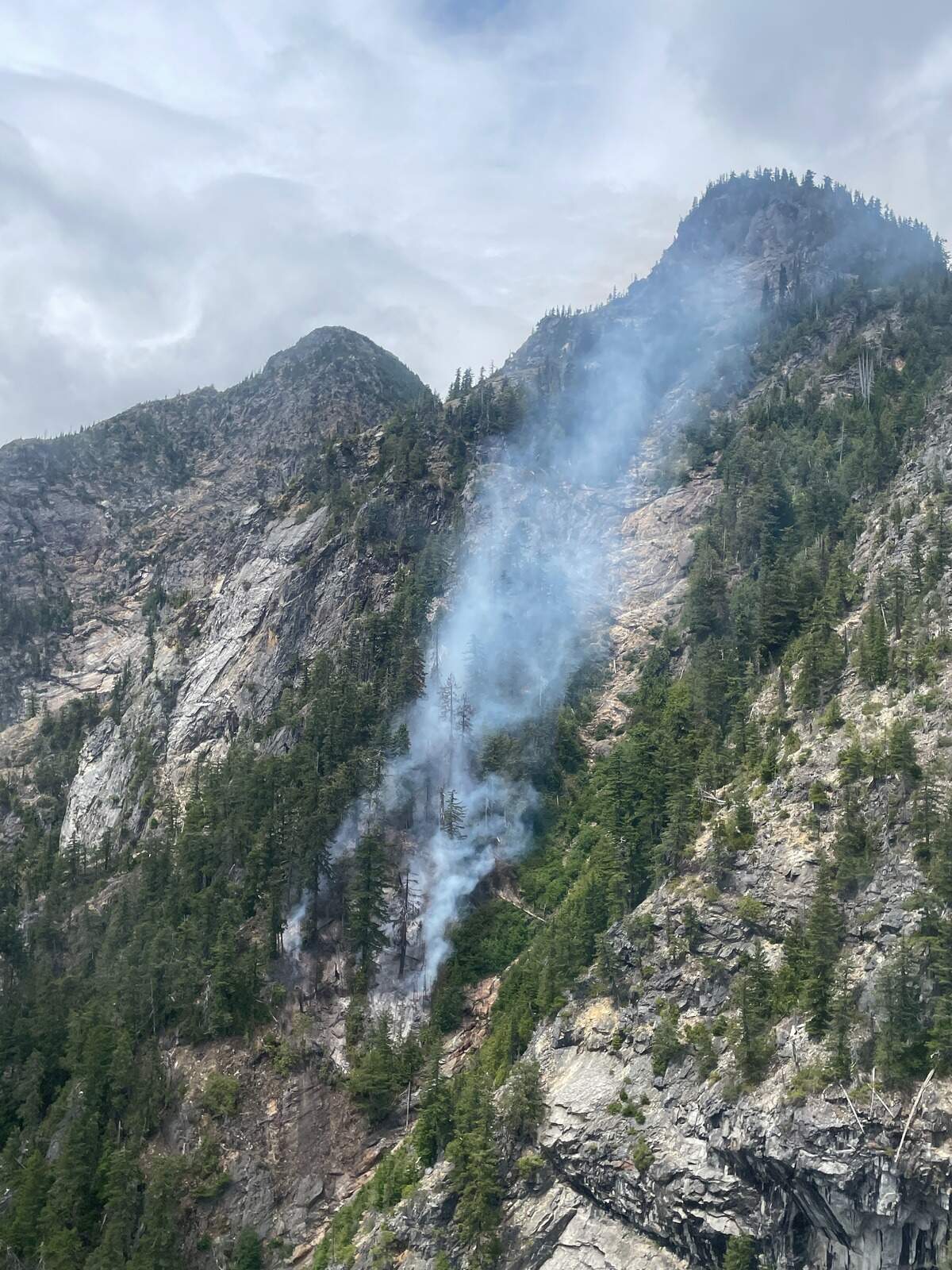
How common are wildfires in Washington state?
The Washington State Department of Natural Resources fights about 900 wildland fires across Washington state each year.
“Most are small, usually extinguished while they are less than one acre in size,” the state agency said.
In extreme cases, wildfires can spread to more than 100,000 acres and take thousands of firefighters and months to extinguish.
While wildfires can occur any point in the year, they’re most common during the warmer months.
“The wildland fire season in Washington usually begins in early July and typically culminates in early October when regular rain returns to the Northwest,” the state Natural Resources Department said.
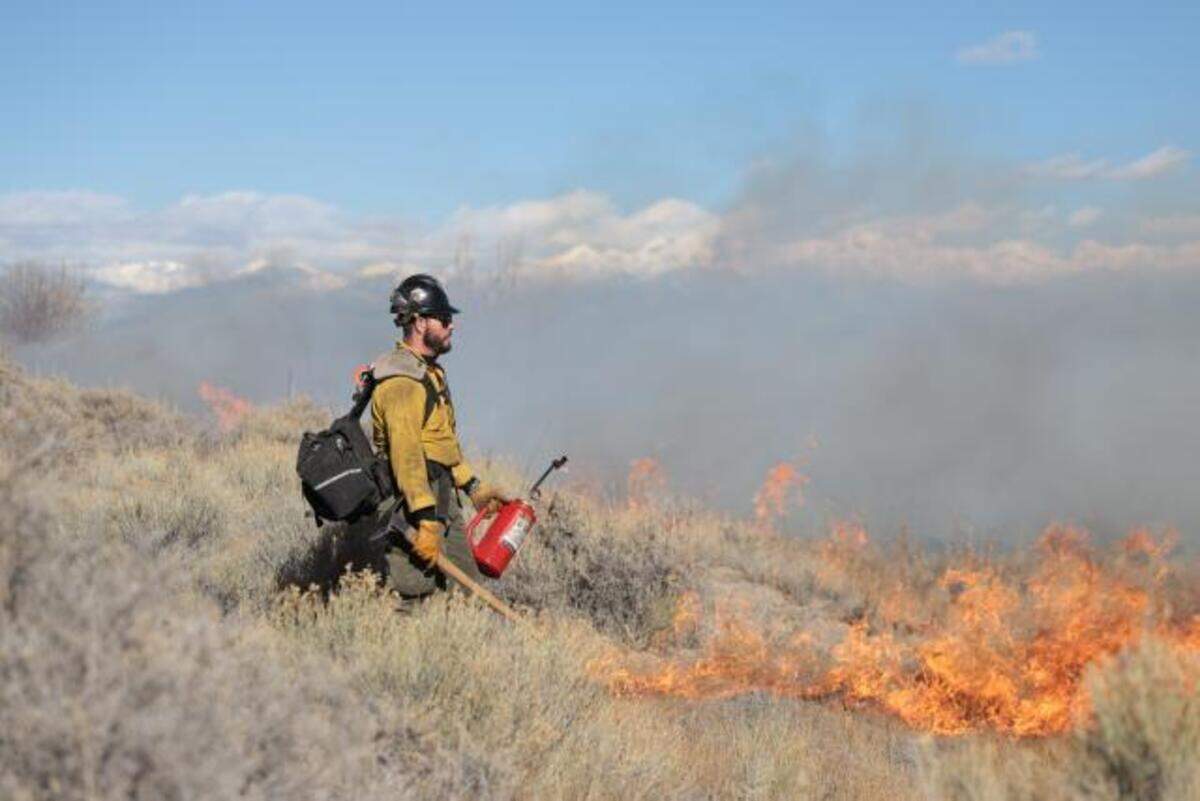
What are the best materials for building?
Before wildfires strike, there are a few things you can do to keep your home safe.
According to the National Interagency Fire Center, the “best thing you can do” is use fire-resistant building materials.
Roofs and exterior areas should be constructed of “noncombustible” materials such as tile, slate, sheet iron, aluminum, brick or stone, the fire center said.
You should treat wood siding, cedar shakes, exterior wood paneling and other highly combustible materials with fire-retardant chemicals.
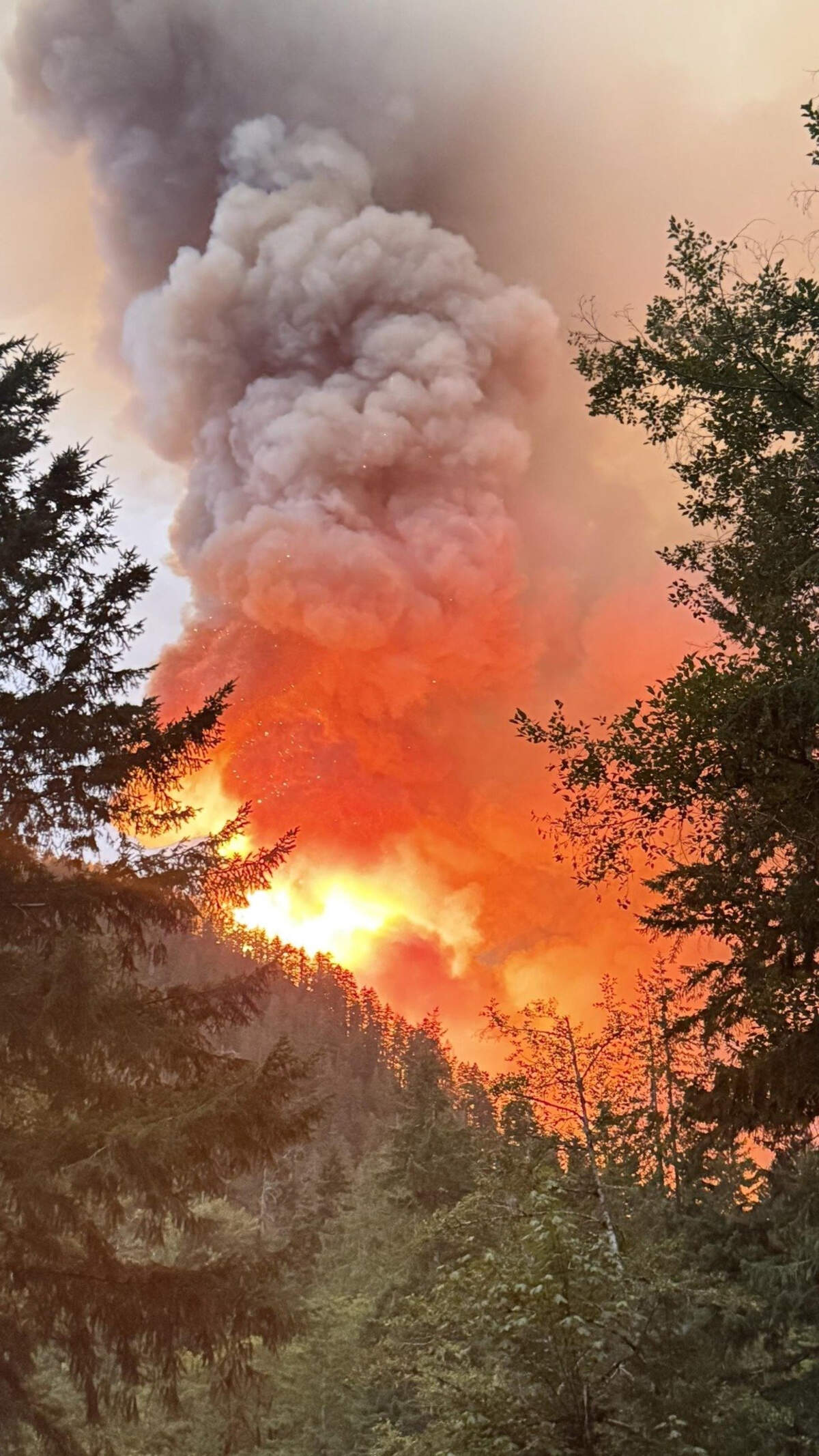
How can I protect my home from wildfires?
To protect your home from wildfires, maintain a “survivable space,” the National Interagency Fire Center said.
Tips to keep your home safe include:
- Clean roof surfaces and gutters regularly to avoid accumulation of flammable materials.
- Remove portions of trees extending within 10 feet of flue openings for stoves or chimneys.
- Keep branches off the roof.
- Maintain spark arresters over all chimney or stovepipe flue openings.
- Clean debris from exterior attic vents and crawl space vents.
- Space landscape vegetation at least 15 feet apart to minimize fuel loading.
- Remove low-hanging branches from trees to a height of 15 feet.
- Store gasoline in an approved safety can away from occupied buildings.
You should also maintain a fuel break around all structures.
Does home insurance include fire protection?
According to the Washington Insurance Commissioner, all standard home and property owners’ insurance policies must include protection against fire damage.
Additionally, most policies include protections against damage and risks from fire-related heat, smoke, soot and fumes.
What should I put in my emergency kit?
Although “government agencies will respond to community disasters,” you may be on your own for a while after disaster strikes, according to the Washington State Department of Health.
“You should be prepared to take care of yourself and your family for at least two weeks” — or even months in some cases, the state agency said.
According to Puget Sound Energy, the state Health Department and the Department of Homeland Security, these are some items you should consider adding to your emergency kit:
- Water for seven to 10 days: 1 gallon per person, per day
- Non-perishable food for seven to 10 days
- Manual can opener
- Wrench or pliers to turn off utilities
- First aid supplies and first aid book
- Cash or traveler’s checks
- Flashlight
- Waterproof matches
- Battery-powered radio or television
- Extra batteries
- Cell phone with chargers and a backup battery
- Local map
- Whistle to signal for help
- Clothing, gloves and sturdy shoes
- Shelter items such as a tent, tarp and rope
- Plastic sheeting, scissors and duct tape to shelter in place
- Moist towelettes, garbage bags and plastic ties for personal sanitation
- Copies of important documents such as birth certificates, licenses, and insurance policies
- List of contact names and phone numbers
- Food, water and supplies for pets