
WA lawmakers are weighing a bottle deposit system to boost recycling. It’s a bad idea | Opinion
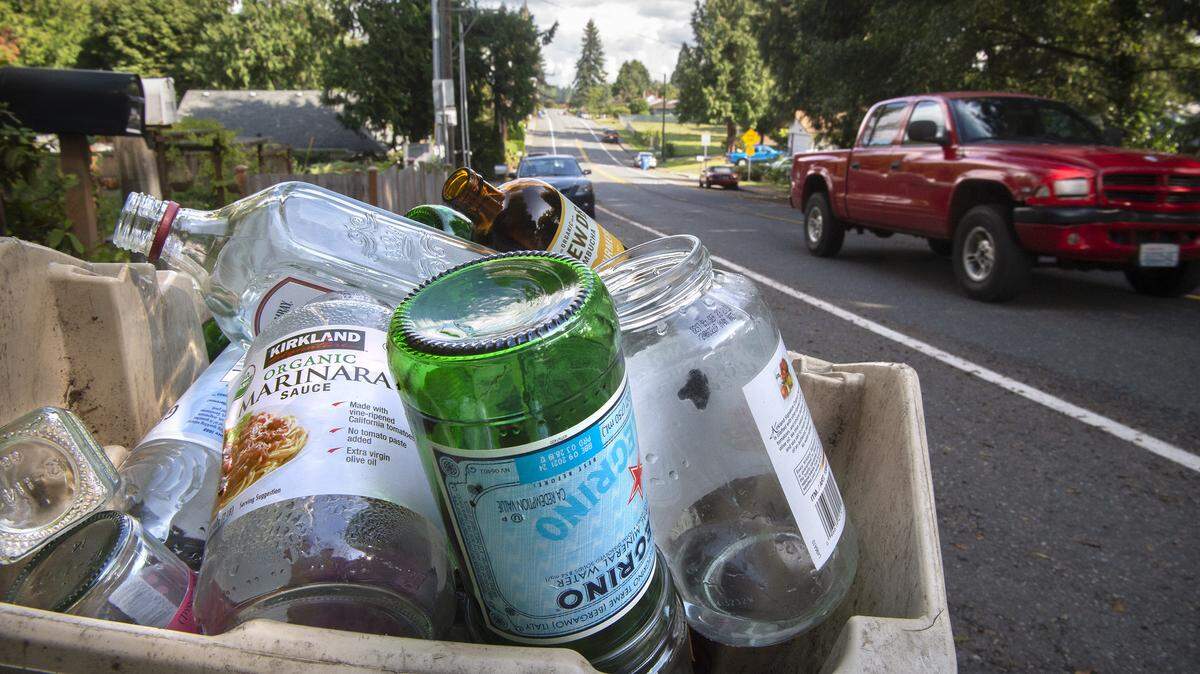
Washington invests in recycling. Whether you are putting a plastic bottle or cardboard in the right bin before taking them out to the curb, driving a truck on your recycling route or working in a sorting facility, we are all partners in protecting our planet. Our Legislature is back in session, so we have an opportunity to adopt new strategies to increase our great recycling rate, which is already 50% better than the national average.
Our state hasn’t achieved a great recycling rate by just doing the easy things. Washington has a complex infrastructure that relies on public participation to ensure the right materials get placed in the recycling bin and significant business investments to provide recycling services that include curbside pick-up. It’s just one of our state’s values — we are proud to recycle. As we work to boost recycling rates, Washington’s complex system, partnerships with local governments and the everyday contributions by residents should serve as the foundation for any new proposals.
There are many great ideas under consideration, but I’m worried that some legislative proposals are not built on this solid foundation.
For example, some want to create a bottle deposit system where residents would pay 10 cents more per beverage container that they could then earn back if they return the empty bottle or can to a specific facility. In a state where we already have convenient, affordable curbside service, this one just doesn’t make sense. We’d be asking people to spend time (not to mention more money at the store) to gather and deliver bottles to drop-off locations. This means putting extra miles on the road in their car when there is already a recycling truck that comes to their curb regularly and those who don’t have access to a car will haul their bottles on the bus. Programs like those proposed in SB 5154 and HB 1131 may have been attractive in the 1970s in states like Oregon before curbside service was established, but today it can only increase the costs and inconvenience to residents.
Some lawmakers are also proposing legislation that would require those who manufacture packaging to pay for the cost of recycling the packaging they manufacture. Manufacturers should certainly evolve their practices to serve as better recycling partners, but under this proposal they will likely just charge consumers more to cover their increased costs. Proponents of this type of program point to a similar effort working to come online in Colorado. But Colorado is way behind Washington, with only a 16% overall recycling rate. They are trying to build a new system to catch up to what Washington’s recycling system is already achieving. Packaging manufacturers should stop using difficult-to-recycle packaging and help cover the cost of recycling, but let’s not create a new, costly and burdensome system like Colorado.
There are policies that would improve our system and boost recycling rates in our state. We should conduct a needs assessment first so we can identify places for improvement that fit Washington. For example, a robust needs assessment would identify strategies necessary to ensure effective curbside options for problematic materials, like glass in the waste stream. That could bring more convenient options back to a city like Tacoma that has not been collecting glass recently. Ironically, these bills creating new programs also include a needs assessment at the same time as policy implementation, which is like a doctor writing a prescription while you are still waiting in the lobby for your exam.
Labeling on products about what is recyclable is still confusing and should also be improved. California and Oregon recently adopted laws to make labeling clearer. These and other proposals, especially those that would lower barriers to recycling for low-income residents, are worth further consideration.
We have a long and proud tradition of recycling in Washington. It’s the sort of success that is only possible when we all work together. As we look for ways to boost recycling, the new strategies should fit our state. Washingtonians want to do the right thing and charging them more for new programs that diminish what is already working sounds like a bad bargain for environmental stewardship.
Brad Lovaas is the executive director of the Washington Refuse & Recycling Association, the organization that represents businesses that provide curbside recycling services and operate the material recovery facilities that are critical to Washington’s recycling goals.
This story was originally published January 19, 2023 at 5:00 AM with the headline "WA lawmakers are weighing a bottle deposit system to boost recycling. It’s a bad idea | Opinion."