
Black History Month: Building a black community in Olympia during the Civil Rights Era
According to the Thurston Regional Planning Council, the 1950 census counted 41 “Negroes” in Thurston County.
Between 1950 and 1975, the civil rights movement surged, and the national consciousness of racism was awakened. But for many of those years, black people were not widely welcomed in our county.
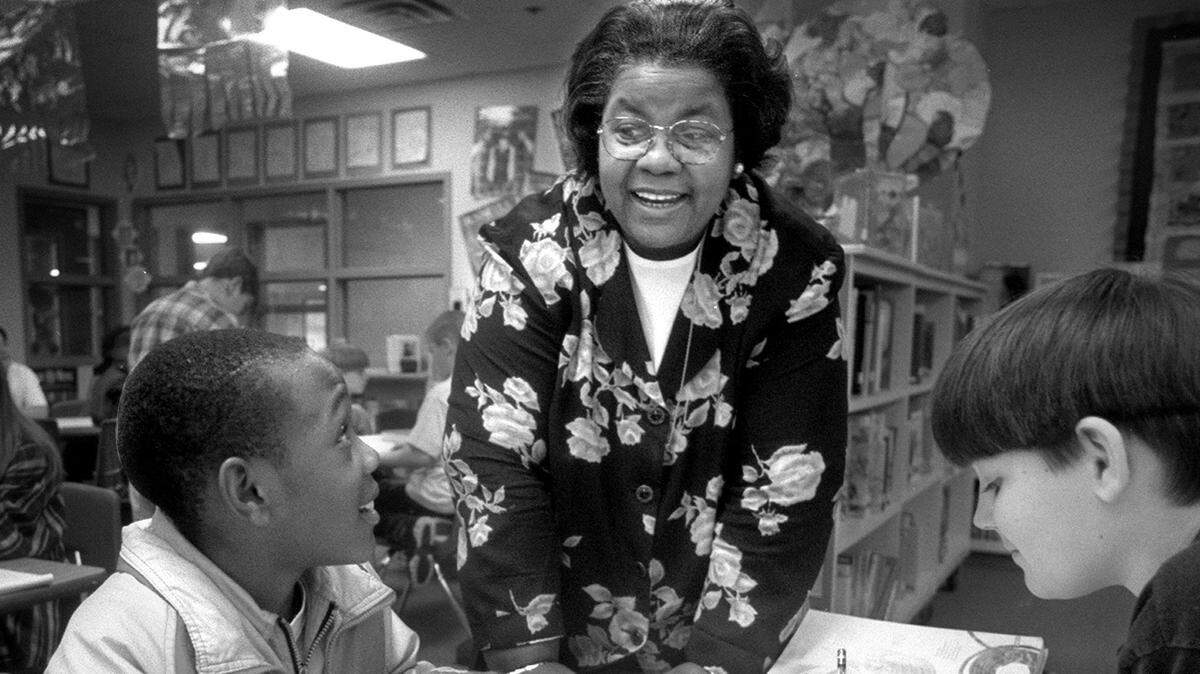
Mary and Jim Wilson arrived here in 1957, following Jim’s military career, which included clearing land mines during the Korean War, being wounded, and earning a Silver Star. An engineer, he soon became a manager at the state Department of Transportation. In a speech last year on her 94th birthday, Mary recounted their struggles.
When they tried to rent in Olympia, Mary says, “the landlord demanded first and last month’s rent and a canoe – a canoe! – and said he’d have to check with the neighbors first.”
Eventually, they did find a rental on 18th Avenue, near St. John’s Episcopal Church. After church on Sundays, white people would slowly drive past their duplex, hoping to get a look at them.
Later, their milkman agreed to sell them a small house he owned in what is now Lacey, but was then mostly woods. After they moved in, a cross was burned on their lawn, and their house was often pelted with eggs. Their son was the only black child in his school. “He had to be a little bit brave,” Mary says, in what is surely an understatement.
When the Wilsons had a house built for them, the plumbing contractor put a row of pinholes in a pipe, so that months after they moved in, the seepage ruined a daylight basement room. That upset Mary even more than the cross burning and eggs.
Her response to those early struggles was to work to create more housing opportunities for other African-Americans coming here, and to become a community leader. Her calm confidence was effective. “You really have to know who you are, and I know who I am,” she says. When people snubbed or insulted her, she says she would raise an eyebrow, and think to herself “You should be happy to know me.”
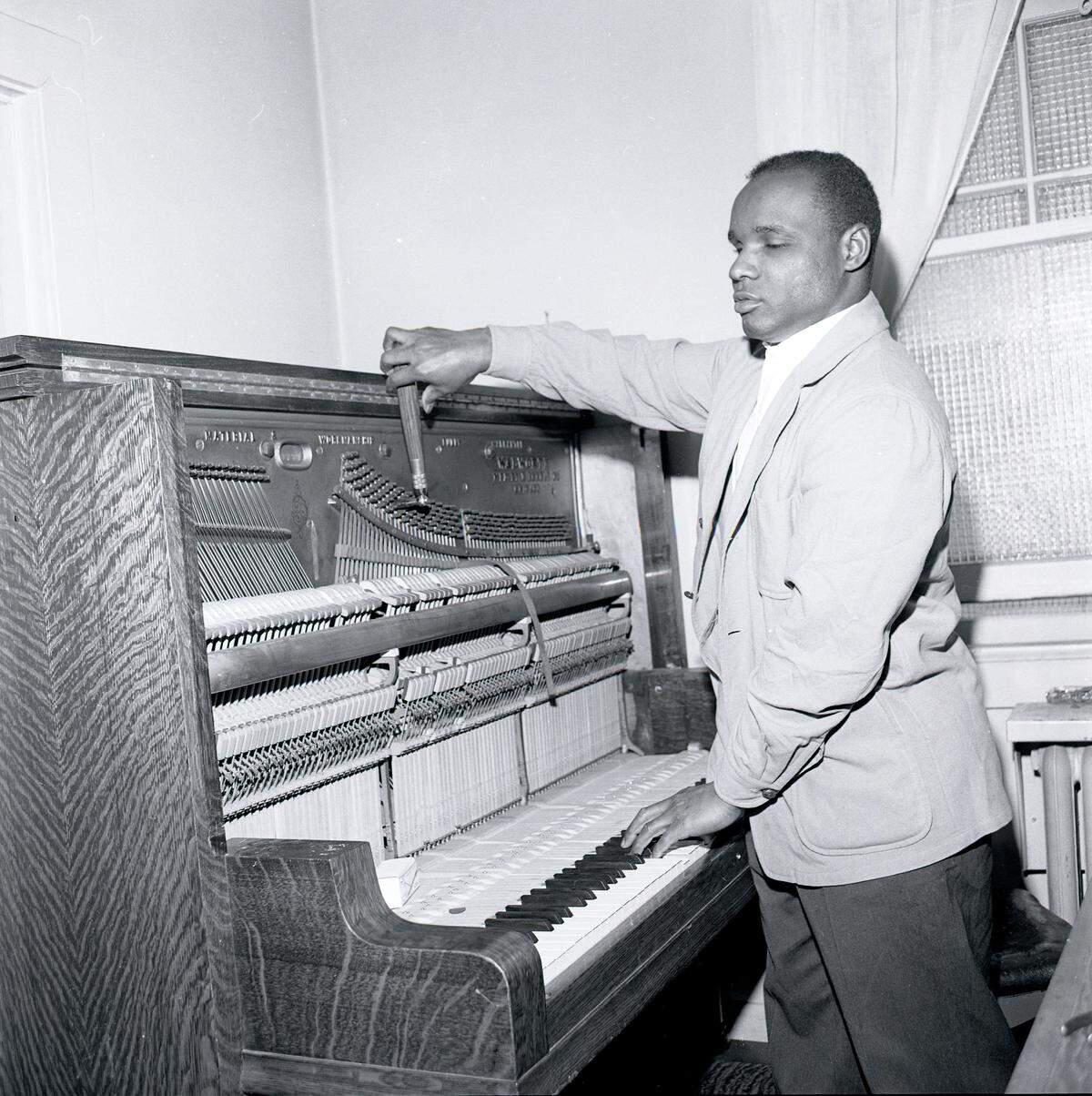
In 1962, John Grace arrived. John, who is from Georgia, was a graduate of the Georgia Academy for the Blind, and the School for Piano Technology in Vancouver, Washington. He maintained a piano shop and piano tuning business on Capitol Way until his retirement. He was the first black person to enter many white-owned homes.
But years, he took the bus to Portland on Sunday mornings to go to church. He was not welcome in many Olympia churches even though he tuned their pianos.
At about the same time, Virgil Clarkson, another African-American veteran, and the now-retired three-term mayor of Lacey, came here with his first wife. They also were told many lies when they searched for a house. When they finally found one, Virgil and his wife began holding regular meetings of African-Americans in their living room.
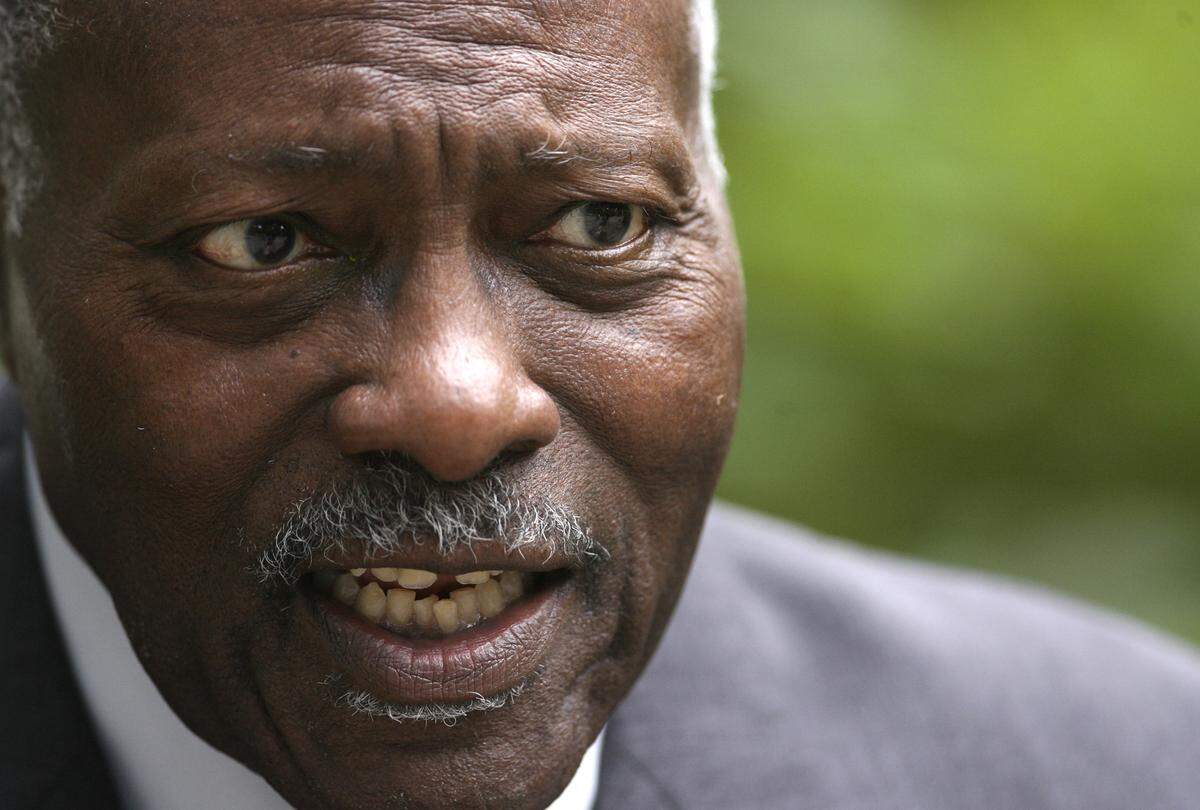
The Wilsons, the Clarksons and others who attended those meetings – and their white allies – managed to win fair housing ordinances in Thurston County in 1968 in the wake of the murder of the Rev. Martin Luther King Jr.
In 1972, Thelma and Nat Jackson arrived, bolstering the nucleus of a growing local civil rights movement. Thelma became active in her children’s schools, and became a North Thurston school board member. She went on to earn a doctorate in education and become a state leader and consultant on educational equity issues. Nat, who’d been working in urban renewal, went to work for the Office of Economic Opportunity, and eventually, for Gov. Dan Evans. Nat continues to advocate for economic opportunity for people of color.
At Mary Wilson’s birthday celebration, Thelma thanked her and her late husband for “taking the blows of those early years, and helping make sure those of us who came later didn’t have to.”
In 1975, John Grace, the Wilsons, Clarksons and Jacksons and a handful of others held a historic meeting at the YWCA — which had supported their civil rights work — and founded New Life Baptist Church. This was a coming of age moment for the black community. Since that founding, New Life Baptist has moved among various locations, and finally built its own church in Lacey. It has been the spiritual and cultural center of the African-American community, and a welcoming place for people of all races. Today, there are other predominantly black churches too.
This glimpse of that pivotal quarter of a century is far from the full story of the struggles, alliances, and growth of our county’s African-American community during those turbulent years. Fortunately, at 1:30 p.m. Feb. 22 at the Olympia Center, Thelma Jackson and historian Ed Echtle will offer a free public presentation on these years where we can all learn much more.