
Downtown Olympia is set for success. But first it must survive 2020’s challenges
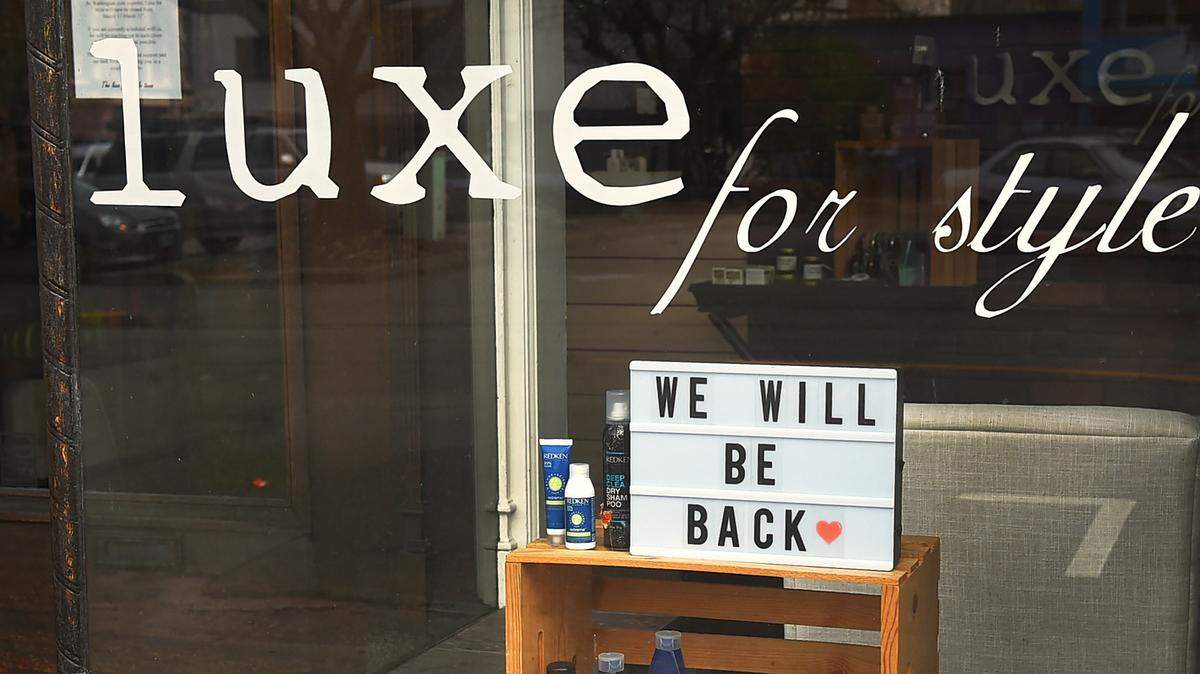
A building boom, rising homelessness, a COVID-19 pandemic, and a plague of late-night window-smashing have created a collision of hope and despair in downtown Olympia.
Handsome new buildings are offering hundreds of new apartments, and architect Ron Thomas reports that they are filling up. He also says there is a pipeline of projects twice as long as what’s already rising out of the ground or recently opened.
Many of these new apartments are expensive, in part because of downtown’s fabulous views of water, mountains, and the state capitol. Thomas reels off other assets that make downtown living attractive, including Percival Landing, the East Bay trail, the character of old buildings, the strong presence of the arts and cultural events, the scale of downtown’s relatively small blocks, and its general quaintness.
The mostly prosperous people moving into downtown, he says, are not fazed by the presence of people who are homeless or street-dependent. And so far, none of the new developments has displaced existing low-income housing downtown.
“Success breeds success,” Thomas says. “Olympia hasn’t seen this much building activity in 60 years. This is Olympia’s renaissance. It’s a season of optimism. And it’s the triumph of planners and former Mayor Holly Gadbaw who have advocated for a denser urban core for decades.”
But for optimism to triumph, Thomas acknowledges downtown first has to somehow survive this current season of suffering. “There are no corporate sugar daddies coming to our rescue. And we urgently need federal funding for the arts, especially the Olympia Film Society and performing arts, which also benefit downtown restaurants. I am deeply concerned,” he says.
Mike Reid, Olympia’s economic development director, seconds that emotion. “We’ve already lost some businesses we love; places that have given many of us special memories,” he says. The number of small businesses in Olympia is down 18 percent since January.
Federal loans have helped. The city, the Thurston Economic Development Council and the Olympia Downtown Alliance have also provided grants, and both individuals and businesses are contributing to a downtown window replacement fund.
But danger lingers. Todd Cutts, executive director of the Downtown Alliance, says that in a recent survey, about half of respondents said they’re not coming downtown to dine or shop until we reach Phase 4 of pandemic recovery or we have access to a vaccine.
Robert Harkness, a longtime member of the city’s Heritage Commission, celebrates the new building boom, but worries about “today’s ‘perfect storm’ of community-destroying crises.” He thinks “repair of the social fabric is the key component, and seems an overwhelming task at the moment.”
But we must refuse to be overwhelmed.
Downtown Olympia is the beating heart of a growing metropolitan area that includes Lacey, Tumwater and beyond. It is the only downtown we have.
It’s where land meets saltwater, where the future sidles up to the past, and where art galleries, tattoo parlors, wine bars and diners rub elbows. In something reminiscent of a medieval ritual, it’s where people come down from the surrounding hills to collect water from the artesian well.
Downtown is where vegans and carnivores eat on the same block, and where the hoi polloi and the downtrodden share the same sidewalks. It’s the capital of murals, and art in the windows of storefronts. It’s where artisans, farmers and fish mongers sell their goods at the Farmers Market, and where boats of every class and size – even cargo ships – tie up.
Downtown is where the social fabric is knitted together, however imperfectly. It’s where the poor and the prosperous are visible to one another, and where people of all ages, classes, genders and races mingle. It’s where there’s a good chance we’ll run into someone we know, or fall into conversation with someone we’ve never met.
Downtown is also our region’s premier economic engine for small business creation. It’s where aspiring restaurateurs, artists and entrepreneurs figure out how to market their best ideas. In fact, Olympia has far more small businesses than its neighbors, and downtown is their epicenter.
We need our downtown. And right now our downtown needs us. “If holiday spending isn’t strong,” says Reid, “we will lose more businesses. What downtown needs more than anything else right now is patrons.”
For those wary of in-person dining and shopping, many restaurants and other businesses offer online or phone ordering and delivery or curbside pickup. It’s as easy as Amazon, and far more soul satisfying. And this week, we’re all invited to a Love Oly Shop and Dine Week.
The long-term prospects for downtown may be strong, but it’s up to us to make sure it survives the short term so it can reach that rainbow on the horizon.