
Kicking off Hispanic Heritage Month with a basic lesson in labels and numbers
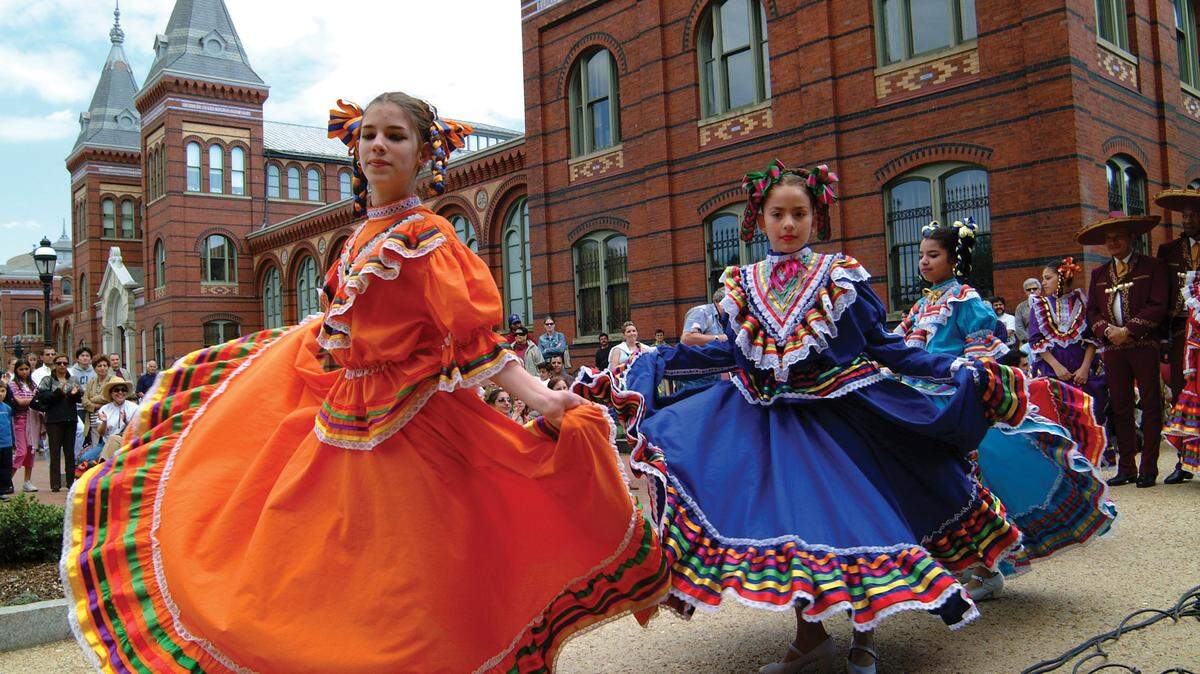
Hispanic/Latino Heritage Month began on Sept. 15, and will end on Oct. 15. It started out as a single week in 1968, timed to coincide with the independence days of several Latin American countries. It’s been a whole month since 1988.
First, you may ask, isn’t it just Hispanic Heritage Month? That is still its official name, but the answer is more complicated than that.
Many people in Mexico, the Caribbean, Central America and South America have issues with the term “Hispanic,” which is more about the heritage of Spanish colonialism and the Spanish language than it is about the diverse people of that immense swath of geography.
Julio Rios, the executive director of CIELO, a 25-year-old nonprofit serving Latinos in South Puget Sound, notes that the first languages of many people who come from Mexico, Central America and Andean nations of South America are indigenous.
“For them,” he says, “Spanish is a second language, and English is a third. And they don’t want to identify themselves as being conquered by the Spanish.”
Others prefer to be identified by their family’s country of origin — Peruvian, Mexican, or Argentinian, for instance.
The complexity about names reveals underlying complications of race, history, and national identity. Some Latino people are white escendants of people from Spain and other European countries. Others are descendants of mixed European and indigenous ancestors, called mestizos; they are the majority in Mexico, most of Central America, and the Andean countries. The Caribbean and countries along the Atlantic seaboard that imported enslaved people from Africa have significant Black populations, as do countries that were refuges for people who escaped slavery.
In Brazil, the national language is Portuguese, and the U. S. census bureau does not consider Brazilians Hispanic. Puerto Rico is part of the United States, and the census counts Puerto Ricans as Hispanic.
Still, a Pew Research Center survey found that Hispanic remains the most popular umbrella term among people whose heritage lies south of the border, followed by Latino. Then there’s the term “Latinx,” intended to be gender-neutral and therefore more inclusive. So far, only 3 percent of Latino adults and 7 percent of young people use it to describe themselves.
Many people use Hispanic and Latino interchangeably. Rios says the term he uses depends on the audience.
Much of this complexity is represented in the Latino populations of South Sound. Rios says Mason County has an enclave of indigenous people from Oaxaca, Mexico who speak Triki and mainly work in seasonal agricultural jobs. There also are growing populations of indigenous people from Central America across the region and in Lewis County.
Thurston County is home to over 29,000 Latino people, up from 17,800 10 years ago, and hovering near 10 percent of our population. Latino students make up 21.5 percent of North Thurston Public Schools students; 7.6 percent of the Olympia School District population, and 2.7 percent of Tumwater’s.
If local trends mirror national ones, the majority of these students were born here. The Pew Research Center reports that “From 2010 to 2019, 9.3 million Hispanic babies were born in the U.S. . . . By comparison, 3.5 million Hispanic immigrants came to the U.S. from 2010 to 2019, down substantially from the 6.5 million who arrived during the 2000s.”
And if you can bear a few more numbers, Pew has them: 51 percent of our nation’s population growth in the past decade was Latino; 4 out of 5 Latinos are U. S. citizens; 72 percent speak fluent English, and a record 3.9 million attend college.
We share this information to ground our observance of Hispanic/Latino Heritage Month in some basic knowledge about the heritage of the people we are celebrating. We also hope to inspire reflection on how our communities can more fully embrace and benefit from this diverse and growing group of residents.