
Whew! Thurston County’s Habitat Conservation Plan will make permits more predictable
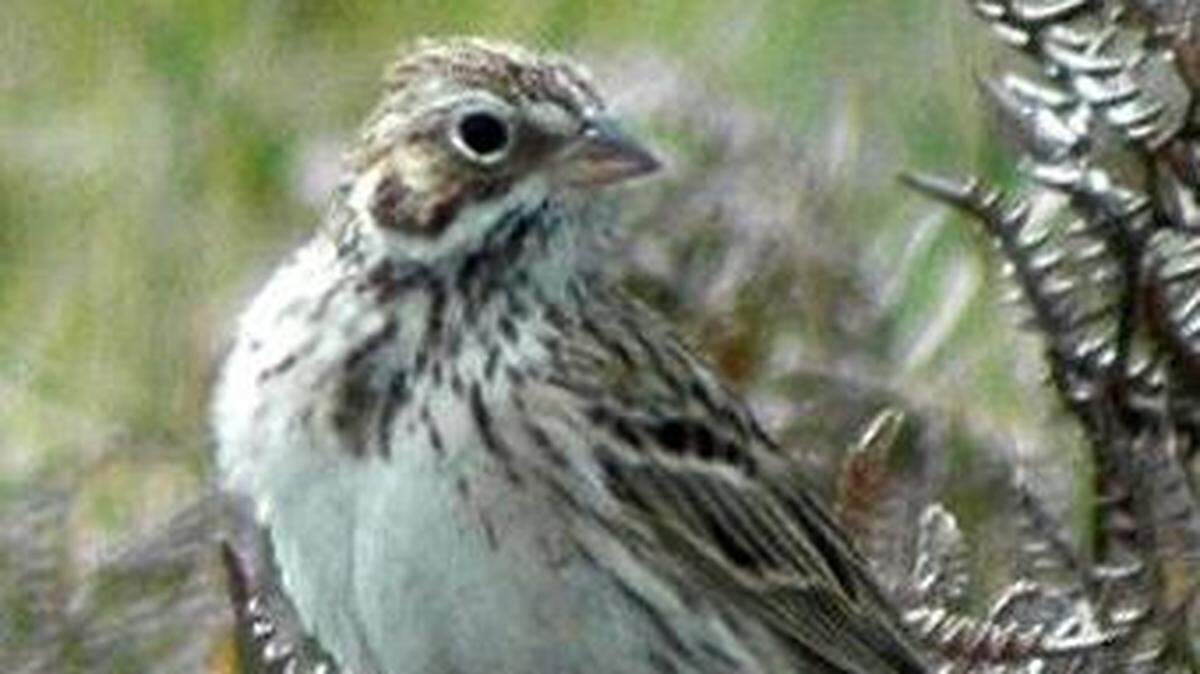
Finally, after years of debate, complaints and hard work, Thurston County is about to get federal approval of its Habitat Conservation Plan that provides for three subspecies of Mazama pocket gophers, as well as the Taylor’s checkerspot butterfly, the Oregon spotted frog, and the Oregon vesper sparrow — all threatened or endangered species.
The Habitat Conservation Plan is a big-picture strategy in which the county will preserve enough habitat to support prairie-dependent species, and enough wetland for the frogs, for the next 30 years. In return the federal government will issue an “Incidental Take Permit” to the county. “Incidental take” is a term for disturbing habitat or harming individuals of a listed species so long as it does not threaten the species’ survival.
That permit means there will be no more federal intervention in county building permitting — and that is good news for developers and people who want to build on their property. Beginning in 2023, applicants for building permits will not require a federal as well as county permit. That means no more gopher inspections, and a much more predictable process. It’s a huge relief to the county, which has faced the wrath of permit applicants for years. Now they will face only half the wrath.
Saving habitat is the name of the game for restoring threatened and endangered species. Less than 10 percent of the historic prairie habitat in Thurston County remains because of development, and because tribal and natural fires that prevented brush and trees from growing on prairies were stopped, according to the U.S. Fish and Wildlife Service. Only 3 percent of prairie land is in good shape to host threatened or endangered species covered in the county’s HCP.
Saving enough habitat to support recovery of all these creatures will require the county to buy land from willing sellers, partner with existing preserves to improve habitat, and provide incentives for farmers to help where they can.
The county has already started land acquisitions. This will be an ongoing challenge over the next 30 years, because the more development there is, the more preserved land will be needed to offset the impacts of development.
Land acquisition will be financed in part by county fees that will require developers to pay higher fees if they intend to disturb more habitat, and lower fees if they choose land or parts of land where the critters don’t thrive.
The goal is to balance the need for development to accommodate population growth and economic activity with the need to help threatened and endangered species thrive and recover.
The county will surely want to do a victory dance when federal approval is finalized. It’s taken four drafts of a Habitat Conservation Plan, an Environmental Impact Statement that was a year in the making, and a more recent effort to write the laws and codes the County Commission will need to approve to tee this up for implementation.
This work started in 2013, when the three subspecies of Mazama Pocket Gophers (Tenino, Yelm, Olympia) were federally listed as threatened. It should be noted that the federal listings were long in coming; state listings were proposed in 1996, and approved by the state in 2006.
But while this is a new chapter for the county, the county is not the only local government involved. The biggest population of the Olympia gopher sub-species is at and near the Olympia airport, and Tumwater and the Port of Olympia are working together on a Habitat Conservation Plan for them.
And now that Olympia is acquiring park and school land on Yelm Highway that has gopher habitat, the city also will have some responsibility for these critters.
JBLM has a fourth subspecies called the Roy pocket gopher that is native mostly to Pierce County. JBLM includes the majority of undeveloped South Sound prairie habitat. JBLM has partnered with other agencies to create the Sentinel Landscape, which is intended to preserve prairie habitat both inside and outside the base, and to complement other conservation efforts.
All this focus on pocket gophers, butterflies, birds and frogs is necessary. As human stewards of the natural world, we still have a lot to learn, and a lot of work to do, to live sustainably with these neighbors so that we all thrive.