
Black History museum shows how far we’ve come and how far we need to go | Opinion
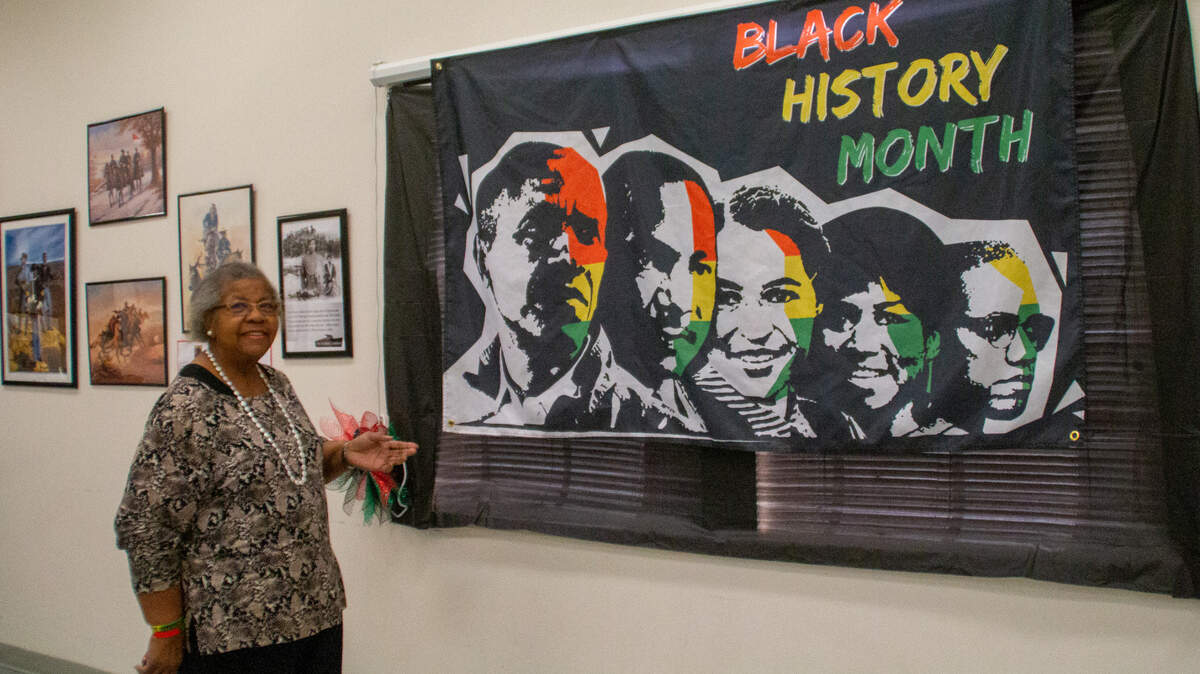
On Feb. 18, New Life Baptist Church in Lacey mounted a pop-up museum of Black History that led viewers through the saga of Black resistance to enslavement, the betrayal of Reconstruction, the long era of legal Jim Crow segregation, the Civil Rights Movement of the 1960s and ‘70s, progress and backlash, our first Black president, and the rise of the MAGA movement juxtaposed with Black Lives Matter.
A panel discussion then wrestled with that vast, complex history and what it means for our future.
The first three panelists were Merritt Long, James Walton and Nat Jackson, who all grew up in the Jim Crow South. Walton’s mother was a domestic worker in Dallas, while the family lived in a small, totally segregated town nearby. Long watched white people routinely move ahead of Black people to go to the front of the line in the grocery store in Alabama. Jackson described his family’s sharecropper life as “slavery 2.0.” All three were educated in all-Black schools with the outdated books and worn pencils from the white schools.
All three credited the strength of their families and faith for their success. But all three also came of age at the time The Rev. Martin Luther King Jr. was leading the fight for civil rights — the fight that led to the passage of the 1964 Civil Rights Act, and the subsequent opening of new opportunities for young, educated Black people such as themselves.
It’s all too easy for younger people to forget — or never learn —– that the history of brutal segregation in the South is still a living memory for many, as is the red-lining and ghettoization that fed its northern version. Even the racial turmoil and violent divisions of the 1960s are mostly a mystery for the generations that didn’t live through them.
But the fourth panelist — Dr. Karen Johnson, the inaugural director of the Washington State Office of Equity — knows all that history well, in part because she was mentored by her fellow panelists.
That’s why, in her work in Gov. Jay Inslee’s administration, she intends to go beyond the current lingo of “Diversity, Equity and Inclusion.”
“Inclusion,” she says, “is when you’re invited to be in the choir. Belonging is when you’re invited to help choose the songs.” Her intention is to make Washington “the first Belonging state in the nation.”
So far, the progress of being invited to join the choir is often undermined by not being consulted about the choice of songs — that is, in the real world, the needed changes in policies and practices in, among other things, health care, housing, criminal justice and education.
While all four panelists acknowledged the hard-won progress of their lifetimes, they agreed that the Jim Crow era is not truly over. It is still the rare Black person — and Black child — who has never been called a racial slur, or been excluded, ridiculed, underestimated, suspected, or ignored because of their race.
A recent dispute about a program for students of color at Centennial Elementary School in Olympia underlines this point. Some white parents complained that it was “segregation” for these students to meet with staff to talk about their experiences and goals, and to get the support they need for success. One outraged letter writer wrote that she hoped the school’s principal would get cancer and die.
The Olympia School Board will continue the program. But the mentality that seeks to deny help to kids who need it in order to protect the feelings of scared, selfish and hateful whites is still a part of our civic culture.
If you’re white, you could read about that dispute and just sigh. But if you’re a Black parent — or the parent of any kid of color — that story lands with a terrible weight. When you send your child to school in the morning, what will they face? And how can a white person be so full of hate they wish cancer and death on a school principal?
This is the poison of Jim Crow, still holding back our quest to become a Belonging state.