
Letters to the Editor for March 31
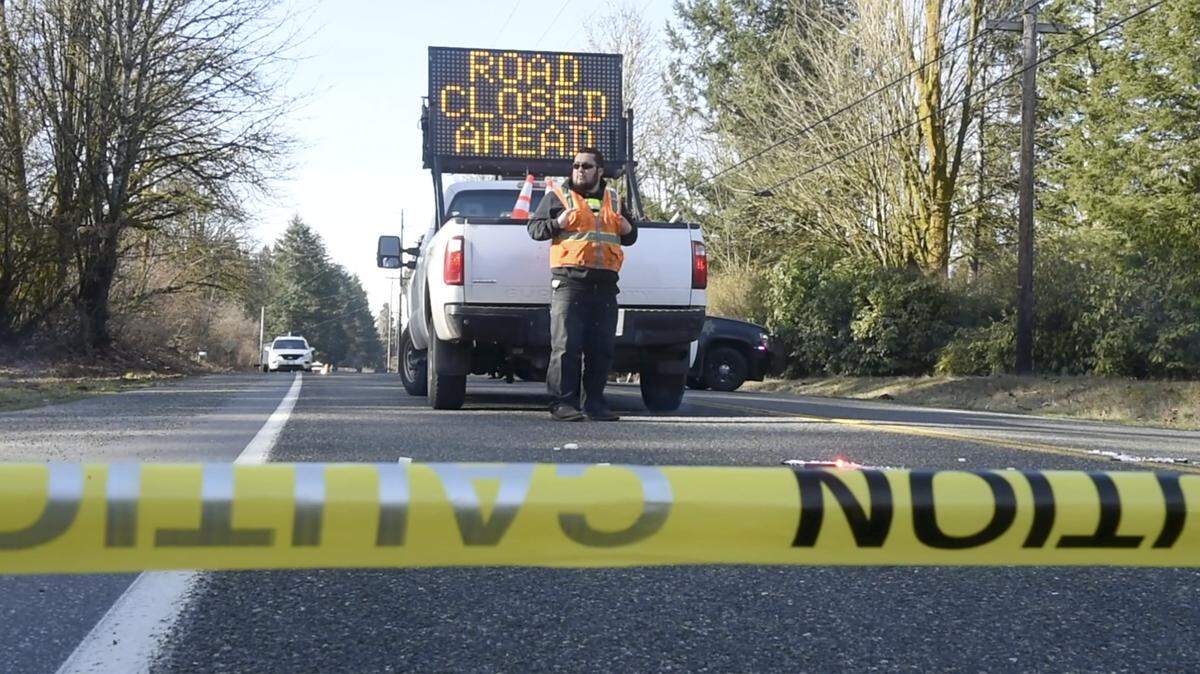
The traffic death on Littlerock Road
Sadly, a young life was taken in a single-car accident on the 8100 block on Littlerock Road March 15.
Unfortunately, since moving to the 8000 block of Littlerock Road in 2016, we constantly noted many, many drivers driving multiples of the 35 mph speed limit on this stretch of roadway extending south of the Black Hills High School intersection where students walk along the highway every single school day, especially in nice weather as we are about to experience.
My neighbors and I have had endless discussions about this situation, and I tried acting as a liaison with the police chief in Tumwater when a speeding driver exited the road at high speed, took down 200 feet of our fence, and several mailboxes (one of which was held up by a 6-inch-diameter steel driveshaft buried 2 feet into the ground), sending the debris 200 feet down the roadway.
The sound of the vehicle, screeching tires, and the collision woke us all up, and parts of the truck were strewn on our property and on Littlerock Road, but the driver somehow left the scene in his mortally wounded pick-up truck.
After urging, police temporarily erected a Doppler/radar speed sign and reported that the average speed was something like 37 mph, so soon removed the sign. Based on neighbors’ observations, that hardly told the story.
Now the life of a young person has been taken by speed on this very stretch of roadway. It did not have to happen.
Robert Coviello, Olympia
The Working Family Tax Credit means financial stability for working people
As a board member at the Statewide Poverty Action Network (povertyaction.org), I’ve spent the past five years listening to the stories of parents and families across the state. One of the number one issues they bring up is our state’s regressive tax system and the hardship it creates. Washington State is known for having one of the most upside-down tax codes in the nation, where our low-income families pay six times more of their incomes in taxes than the wealthiest households.
We can address this by modernizing our Working Families Tax Credit (WFTC). The WFTC, like the Earned Income Tax Credit (EITC) at the federal level, boosts financial security and asset building, especially in families with children, drives economic growth, especially in rural areas, and improves racial equity by redressing the impacts of systemic racism. Nearly 30% of our population, almost 1 million tax filers, would receive a much-needed boost to their incomes.
There are a few simple steps to get us there.
1. Increase the state match to 15% of EITC
2. Expand to workers age 19 and up who do not have children
3. Expand to immigrant workers
4. Expand to low-income college students
5. Expand to caregivers of children under 6, adults over 70, or adults with disabilities
We can make this happen this year in our state legislature by calling our elected representatives and urging them to support the Working Family Tax Credit bills in the House and Senate. Washington’s working families are counting on us.
Rob Richards, Poverty Action Network board member, Olympia
This story was originally published March 29, 2019 at 3:23 PM.