
Tips for making sure your vote counts in the March 10 Presidential Primary
More than 30 years after legislators created a Presidential primary, Washington voters are finally getting a Presidential primary that matters. In Washington, we don’t register by party, but this year’s Presidential nominating process will be substantially different.
Since 1989, the two major parties haven’t used primary results to allocate their delegates for the Presidential nominating process. That partially changed when the Republican Party used the primary in 2016. The Democratic Party will join them this year.
During the last few cycles, the party-driven caucus system has been crowded, confusing and some may say even undemocratic. Because of our vote-by-mail system, in 2016 almost seven times as many voters took part in the Presidential primary (1.4 million) than did in a caucus (230,000).
While caucuses are run by well-meaning volunteers, they were oftentimes frustratingly slow to administer with old-fashioned manual processes. This Presidential primary election will be run by experienced election professionals like all other elections.
For voters, the primary process will start this week, when we mail ballots. Once you receive your ballot, the familiar process you’re used to will include some important differences:
- Unlike the state primary election, you must sign a party declaration on the outside return envelope. During processing, these envelopes are manually sorted by the party marked on the outside of the envelope. This declaration must be the same party as the candidate voted on the ballot. If the oath is altered, or the ballot inside doesn’t match it, your vote won’t count.
- Democratic and Republican party primaries will appear on the same ballot, but you must only vote for one candidate. If you mark two, your ballot is an overvote, and won’t count. If you sign the Republican oath and vote for a Democrat, or vice versa, your ballot won’t count.
- In Washington, you don’t have to declare a political party when you register to vote. So, signing the declaration will have no impact on how you can vote in future elections. You can vote for whomever you want in all future elections, including the August primary and the November general election.
There are also some things you should always do in every election:
- Only sign your own return envelope declaration. Don’t sign for anyone else, not even for your spouse or child. Copying someone’s signature is nearly impossible and our signature checkers are trained by the Washington State Patrol fraud division. If we challenge your signature, we send you a letter.
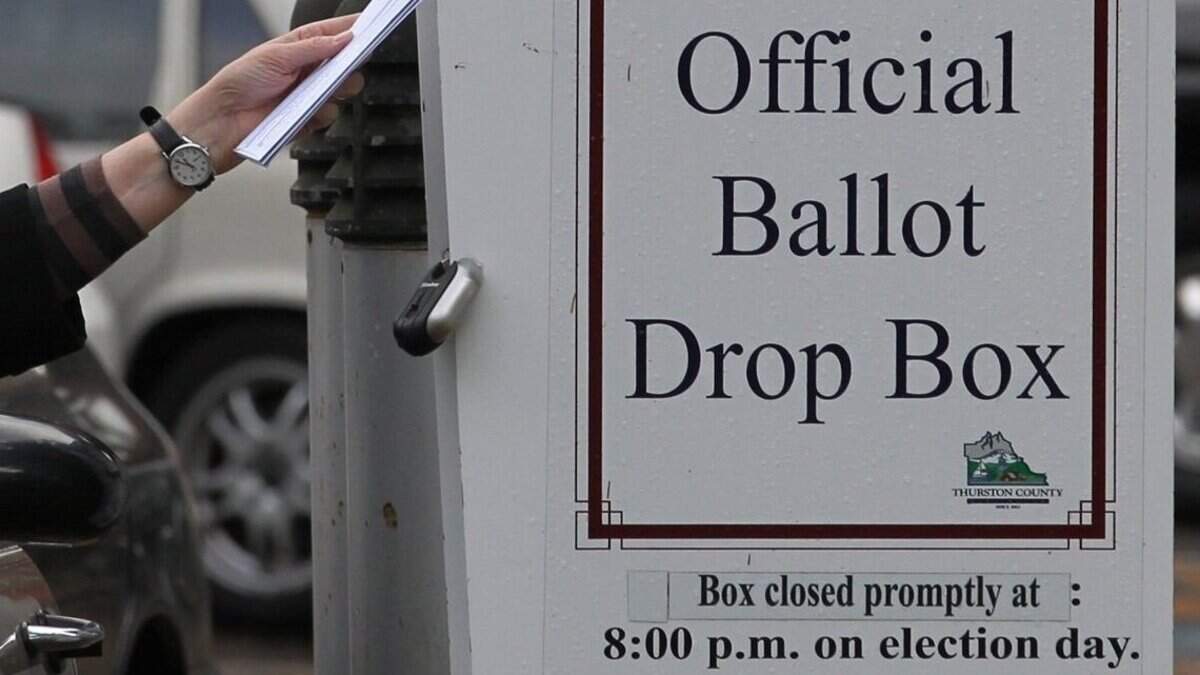
- Make sure you get your vote in on time. If mailed, we can’t accept ballots with a postmark after March 10, which is Primary Election Day. If you’re returning your ballot on Election Day, use one of our 28 drop boxes around Thurston County instead of mail.
Our vote-by-mail system is the most accessible election system in the country. If you’re not registered to vote, you can register remotely until March 2 at votewa.gov, or in person at the County Auditor’s office until 8 pm on Election Day, March 10.
We conduct secure and transparent elections you can trust. If you have any questions or want to tour our Ballot Processing Center, please reach out to our Elections Office at 360-786-5408 or thurstonvotes.org.