
The high art of coping with COVID-19 has driven innovation
I would like to praise Thurston County’s caregivers, our hospitals and the social service agencies that have committed to bridge the gaps in service resulting from COVID-19.
They have had to reinvent their jobs on a daily basis. Workarounds have become the high art of coping. No one signed up for this, but from what I see (sitting on several committees at the county level) the attitude has been all about figuring it out and giving as little ground as possible. Challenges are met head-on with innovations. The state has mostly acceded to the demands for approvals to expedite the workarounds needed to carry out the mission.
Teleconferencing and telemedicine are invaluable tools that will continue to be used even after the virus quiets down. Zoom and other tools have made meetings more organized and efficient because the level of preparation and presentation is higher. This modality is now used to train as well as meet. All providers, including behavioral health providers both for youth (Community Youth Services) and adults (BHO, now MCO) have been able to secure better levels of funding for telemedicine. Thus the process has improved.
The Thurston County Health Department swung into action early, as did Providence St. Peter Hospital. There was lots of co-ordination and reporting. Communications to the public were regular and meaningful.
Social service agencies looking after those least resilient among us found themselves also helping each other, by collaborating, exchanging ideas and adapting. Some permanent improvements resulted. They already have learned to do more with less.
The loss of “eyeball” contact requires the service provider to be more intuitive and watchful for tiny details: are child abuse reports down because there is less child abuse or because those who do most of the reporting (e.g. school personnel) are not seeing those children every day? How do you do that on Zoom? With domestic violence, it is also hard to tell what is going on, so there is a lot of outreach being done.
On the positive side, adjustments in regulations such as HIPAA, changes in clinical practices and reimbursements have made dealing with problems just a little bit easier for the providers.
The criminal justice system has been deeply affected. Conflicts of all kinds have increased. Disputes are being heard virtually and facilitated online, which actually decreases the volatility and hostility between the parties. Crisis response units as well as the “Familiar Faces” program are operating. But courtrooms are closed until July 6. The right to a trial by jury has not been exercised since early March, and when court restarts, trials will be limited. The backlogs are already extensive.
Pre-trial hearings are done via teleconferencing. But justice is not served when one cannot access the legal system. Our Constitution gives this right to everyone, regardless of whether or not one has a phone. And also: Will potential jurors be willing to serve? I would guess that the search is on for larger venues that can accommodate distancing.
Department of Corrections personnel had tough choices to make. With no way to ensure safety, they figured out ways to reduce the jail population (early release for those nearing the end of their sentences, and work release participants were moved to electronic home monitoring). Efforts continue to keep the population from expanding without compromising public safety. I sit on the county’s Innovative Justice Committee, whose members consist of the Prosecuting Attorney, Public Defense, Sheriff’s Office and Jails, as well as many community resource providers. All are interested in innovations that emphasize well-being of the community as a whole.
The prosecuting and defense attorneys as well as the Sheriff’s office have created new priorities for who goes to jail. Obviously, violent offenders are jailed, but ways of dealing with non-violent offenders are changing.
Reforms have been in the works for a while, but have been accelerated by necessity. They have to do mostly with misdemeanor reforms, mainly understanding, managing and punishing in different ways than in the past. It means giving an offender a choice to become a better citizen, and helping to make that happen. The success of the “Peer to Peer” programs (former inmates who volunteer to help keep people on their journey to recover their dignity, their confidence, and their lives) has prompted more experimentation with this model.
So many things have changed in the wake of COVID-19. And many have changed for the better.
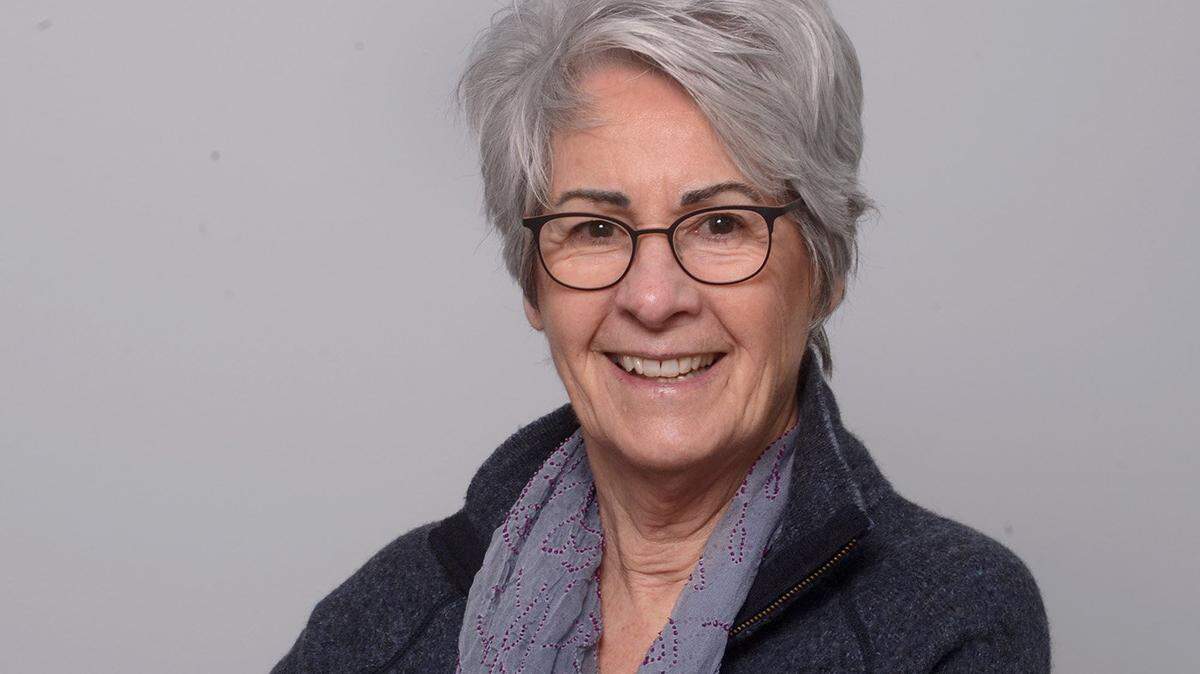
Priscilla Terry is a member of The Olympian’s 2020 Board of Contributors. She is a retired commercial real estate broker and former owner of Prime Locations, Inc. She serves on several committees in Thurston County, including Innovative Justice and Opioid Response. Reach her at pristerry44@gmail.com.