
Why the future of the Arctic National Wildlife Refuge matters to Washington
When you look out your window in Washington, the northern reaches of Alaska are probably not the first thing you think about. But maybe you should.
The reason: So many of the beautiful birds you see in your backyard likely migrated to our state from the Arctic National Wildlife Refuge. While it’s something we may take for granted, if you appreciate these beautiful creatures, now is the time to pay attention to this special place.
The Trump administration recently finalized plans to begin oil leasing in the Arctic Refuge, which puts those birds and so many other things we hold dear at risk. Often called “America’s last great wilderness,” the refuge covers approximately 19.3 million acres, but features no roads or other human infrastructure.
Now, this slapdash and tragic plan by the federal Bureau of Land Management, which was announced earlier this month, would open all 1.56 million acres of the coastal plain to fossil fuel excavation.
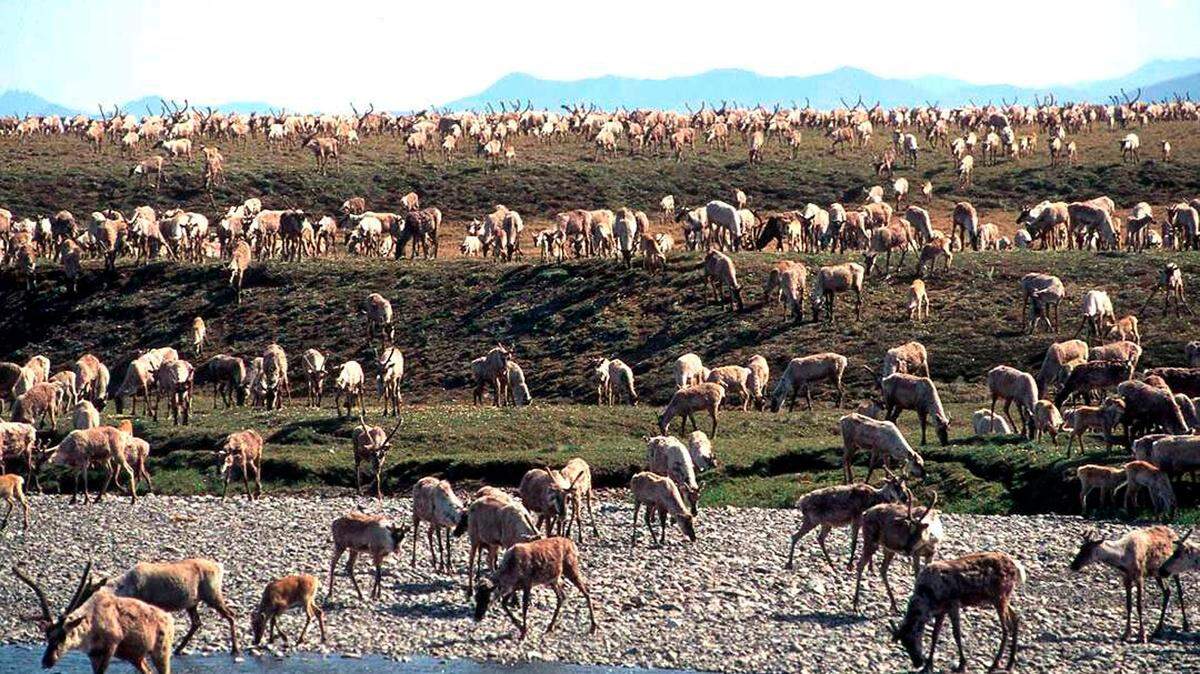
This decision would be catastrophic for the 900 polar bears that call the coastal plain home. Oil and gas exploration in the refuge raises serious concerns about den abandonment, harming young and vulnerable cubs. Beyond that, the plain provides calving ground for the Porcupine Caribou Herd, which the indigenous Gwich’in people have depended on as a central part of their way of life for thousands of years. Finally, the plan would threaten sixty-nine species of birds with extinction.
This is wrong for the country and for Washington.
For too long, our federal leaders have prioritized the extraction of resources far more than the protection of wild places. With the federal government showing a willingness to bulldoze a national treasure in Alaska, what would stop them from doing the same right here in Washington?
We simply can’t let that happen, so Environment Washington has joined with others to sue the Trump administration over the plan.
We’ve gotten involved because to do otherwise would not only lead to the desecration of an American jewel, but would also set a perilous precedent for oil and gas across America. Simply put, this plan is completely blind to the reality that, in 2020, dangerously pulling more fossil fuels from the ground is a fool’s errand when clean renewable energy options are rapidly on the rise.
In 2019, Gov. Jay Inslee signed the Washington Clean Energy Transformation Act, setting a target for 100 percent renewable energy. Six other states — Hawaii, California, New Mexico, Maine, New York and Virginia — have also passed similar pledges. These serious-minded commitments provide a crucial push to transition away from fossil fuels towards clean energy. It also signals what kind of world we Washingtonians want to create and live in.
We cannot commit to 19th-century fossil fuel technology for another half-century and hope to make the changes we need to comprehensively usher in 21st-century clean energy. But that is exactly what U.S. Secretary of the Interior David Bernhardt is suggesting. Following his department’s announcement, the secretary said that oil production could begin in the refuge in eight years and last for 50 years.
We need our national leaders to do what Washington’s lawmakers are doing: embrace a future filled with renewable energy and clean transportation options. At the same time, we also desperately need more nature in our lives — which will be made all the richer with backyard birds from the North returning each year and knowing that polar bears are safely denning on the north slope of Alaska.
We need to ensure that the Arctic stays wild.
Kat Beck is an Olympia resident and campus organizer at Evergreen State College with WashPIRG Students, an independent, non-partisan group working to make sure students have the skills, opportunities and training to create a more sustainable future. Rose Mohammadi is a conservation fellow with Environment Washington, a citizen-based environmental advocacy organization.