
Let’s make it easier for Seattle cancer treatment pioneers to work together on a cure
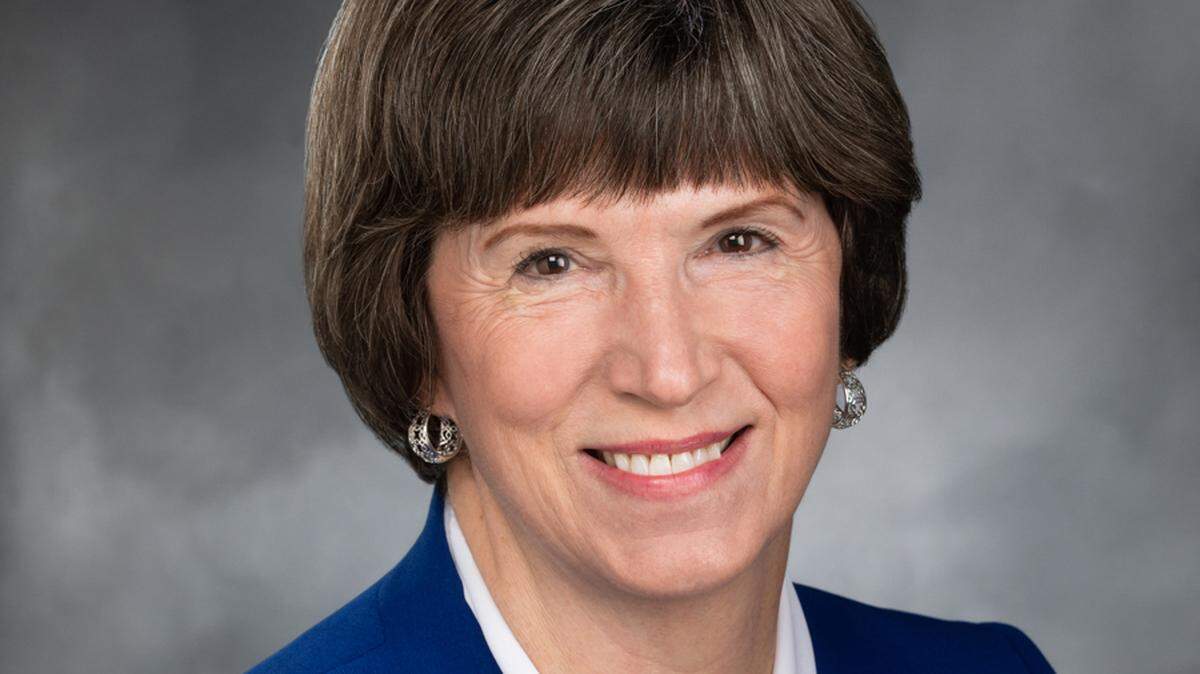
It takes a team to beat cancer.
I’ve battled cancer myself for years, and truly appreciate the heroic efforts of the doctors and researchers working on treatments and possible cures.
I am alive today because of the work of the people at the UW Medicine, Fred Hutchinson Cancer Research Center and the Seattle Cancer Care Alliance (SCCA).
Their good work, and two stem cell transplants, have kept me alive for the last 19 years.
Whenever a large state entity like UW Medicine collaborates with a large nonprofit (Fred Hutchinson Cancer Research Center), it is vital that each of them continue to operate under their very different operations, finance and labor laws. If at any time either party starts to oversee the operations of the other, they risk losing their own legal identity.
Right now, a new collaborative partnership is being established between UW Medicine and Fred Hutchinson Cancer Research Center to restructure their longtime relationship to accelerate a shared mission of advancing diagnosis, treatment and pioneering of cures for cancer and other diseases.
Under the new structure, Seattle Cancer Care Alliance and Fred Hutch would merge to form Fred Hutchinson Cancer Center, an independent, private, not-for-profit organization operating as a clinically integrated part of UW Medicine.
As part of the merger, all alliance clinical sites would become Fred Hutchinson Cancer Center sites. Seattle Children’s would continue operating independently and be the central site for pediatric cancer care among the organizations.
Here’s the problem: Fred Hutch receives nearly $750 million per year in federal funding. Of that, at least $100 million could be put at risk if Fred Hutch is not considered to be a nonprofit entity separate from its state partner in the University of Washington.
State and federal statutes are very different when it comes to defining public entities and non-profits.
The goal of this new partnership is to have separate identities that still allow for coordination and cooperation in their fight against cancer.
That is why I am sponsoring House Bill 1744, which clarifies the partnership that UW Medicine and Fred Hutch will fulfill in the decades to come.
This legislation is essential to allowing the new structure to continue. Passing this legislation clears the path for collaboration and coordination on research, education, and providing a high-level of care to cancer patients.
It will improve early diagnosis and treatment and make it easier for doctors and researchers to do clinical trials of new treatments and medicines — and for patients to take part. And it will make it easier for patients to deal with one nonprofit instead of two.
This sort of legislation doesn’t get headlines, though. It’s easy to have a bill like this get forgotten during the rush to pass major reforms and three state budgets.
Yet this is one case where it’s not hyperbole to say, “This law will save lives.”
Because this legislation, if passed, would save lives — here in Washington and across the world.
Let’s team up to beat cancer with House Bill 1744.
Rep. Laurie Dolan, D-Olympia, serves as vice chair of the House Education Committee. She spent 30 years as an educator and worked as policy director for Gov. Chris Gregoire.