
School budget shortfalls are caused by more than miscommunication
Recently, The Olympian published an article on the financial problems facing the Tumwater School District. The article pointed out that the current budget shortfall is due to a lack of communication on hiring and planning. Having spent much of my professional career in K-12 school district management, and the past six years working on school funding in the state legislature, I believe there is a far more urgent explanation to the budget shortfall in Tumwater and similar districts across the state.
Over the past six years, the state legislature has allocated unprecedented levels of funding to our K-12 schools. The legislature, Superintendent of Public Instruction (OSPI), school districts and residents care deeply about our children’s education. In spite of high levels of financial support, certain districts remain unable to balance their budgets. Why?
Prior to the 2017 McCleary legislation, staff salary apportionment (distribution from the state) sent to districts matched the actual years of experience and educational attainment of individual teachers in classrooms. Districts would hire the best teacher for each classroom, and the state would send out funding, within the state salary schedule, to match the qualifications of those teachers. It was called “staff mix,” and it worked well for years and years.
While McCleary was being negotiated, good faith efforts were made to do a better job of promoting equity in our schools. This was the debate that brought me to the legislature. Certainly, the state coffers, rather than local property taxes, needed to better fund K-12 education. Unfortunately for districts such as Tumwater, the state is no longer sending out enough funding to match the actual experience of teachers, which remains the most critical equity issue left to tackle.
Due to misunderstandings about staff mix, it was not included in the McCleary legislation. For most districts, this has not been a problem. However, compared to North Thurston Public Schools, Tumwater has 34% more teachers with 15 or more years of experience. Compared to the Olympia School District, Tumwater has 5% more with 15 or more years of experience. Every district has a career ladder salary schedule that pays more for experience and educational attainment. If Tumwater received the same amount per teacher in state salary funding as neighboring districts, Tumwater would receive about $1 million more in state funding per year. Staff salaries are the most expensive part of K-12 budgets, so if the state allocation is less than what actual teachers are paid, districts lose money quickly.
Thanks to legislation passed in 2021, OSPI has convened a K-12 Basic Education Compensation Advisory Committee to develop recommendations to the Governor and the legislature that support recruiting and retaining a multicultural and multilingual educator workforce through salary rebase and compensation adjustments. The Governor and the fiscal committees of the legislature will receive these recommendations by September 30.
The work of this committee will not help Tumwater face its immediate funding shortfall. I hope we can all realize that school funding is complicated, and Tumwater (as well as many other similar districts across the state) faces more complexities than other school districts. Let’s support them in this hard work, and appreciate that they have a harder lift than other districts.
If you interested in this critical conversation you can get involved in the OSPI workgroup. Our public schools belong to all of us, and your input will help us find a solution that is sustainable for every school.
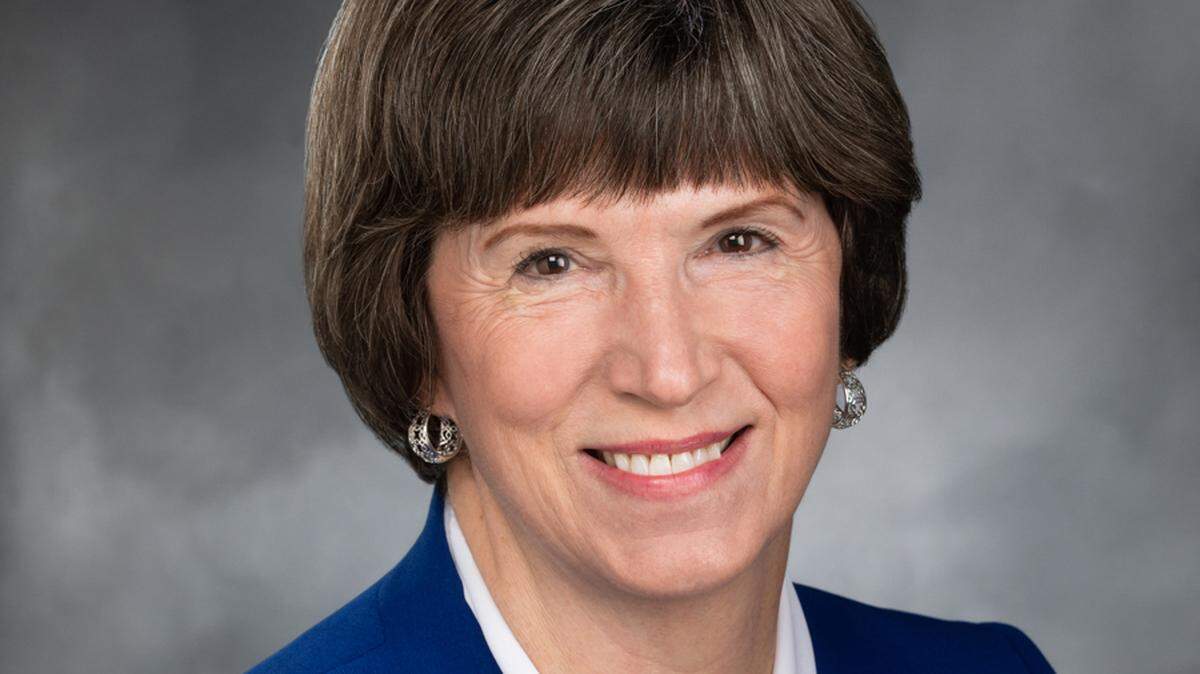
Laurie Dolan represents the 22nd Legislative District, which includes most of Thurston County, in the Washington state Legislature.