
Olympia’s police work must be fully transparent to rebuild community’s trust
The City of Olympia has begun an ambitious process to increase oversight of the police department. This accountability work is long awaited, yet the City’s track record makes us worry it will not yield the outcomes we need.
After Andre Thompson and Bryson Chaplin were shot by Olympia police officer Ryan Donald in May 2015, the city convened an ad hoc committee to address police relations, but their final report has been meagerly implemented. For example, the body camera recommendation will finally be implemented later this fall, after eight years of waiting.
In 2021, the city launched the Reimagining Public Safety Project, and a city-sponsored community work group delivered a range of goals and strategies, which centered values around the wellness of residents, root causes, and disproportionate impacts. However, the City appears uneasy about embracing the spirit of that report. Strategies included best practices around substance abuse and decriminalization, identified the need for more non-police responses to mental health crises, and had specific actions regarding data and its fundamental role in understanding the impacts of the system on marginalized people.
Now the City Council has asked the Social Justice and Equity Commission (SJE) to make a recommendation for civilian oversight of the police department. The process is a collaboration between the police, the SJE, and community stakeholders.
The key issue is accountability, and the key prerequisite to accountability is transparency.
It would be wise for the city to put objective information about police department operations in full view now. This isn’t a case where we care what the police department says. We want to see what they do.
The collaboration will benefit from this approach, and it will help put the future oversight entity on an even footing with the police. Right now, just getting basic information from the city about policing is a struggle. For civilian oversight to be effective, we need to understand the day-to-day job performed by each officer. That was the intention of the Reimagining Public Safety work group, and it’s past time to lift up their priority on using data and providing access to information.
The city can commit to true transparency by posting more data on its website. It already posts how to file a complaint; the next step is to post monthly information on complaints and claims filed by the public or a prosecutor. This should include the full complaint or claim, the name of the officer, and the discipline, and any investigations of officers for misconduct under state law.
The city posts reports from its police auditor, but we need to see more granular data posted monthly, such as general orders and policies, training curriculum, contracts with trainers, and training records of each officer. We need to see public records on police-public contacts such as where officers are deployed, any stops, arrests, use of force, canine deployment, vehicle pursuits, welfare checks, use of SWAT, and charges, referrals, or diversions for substance use, all by officer name, location, and demographic information about the victim/suspect.
We need to see department clearance rates for various crimes. It will be important to share information on the dispatch of the Crisis Response Unit (CRU), when they are considered and used, and how the call comes in. Transparency should be routine, and the accessibility of information a given.
Just think back to Aug. 22, 2022, when Timothy Green was having a mental health crisis and the CRU was not called. Tim ended up dead, shot by an officer. This illustrates why we need detailed information so we can see if the services provided live up to the law and our expectations.
The city should make its police department fully transparent without delay, so that the oversight work isn’t just another fruitless battle for access to information that, once again, stalls progress on rebuilding trust between police and all the people they serve.
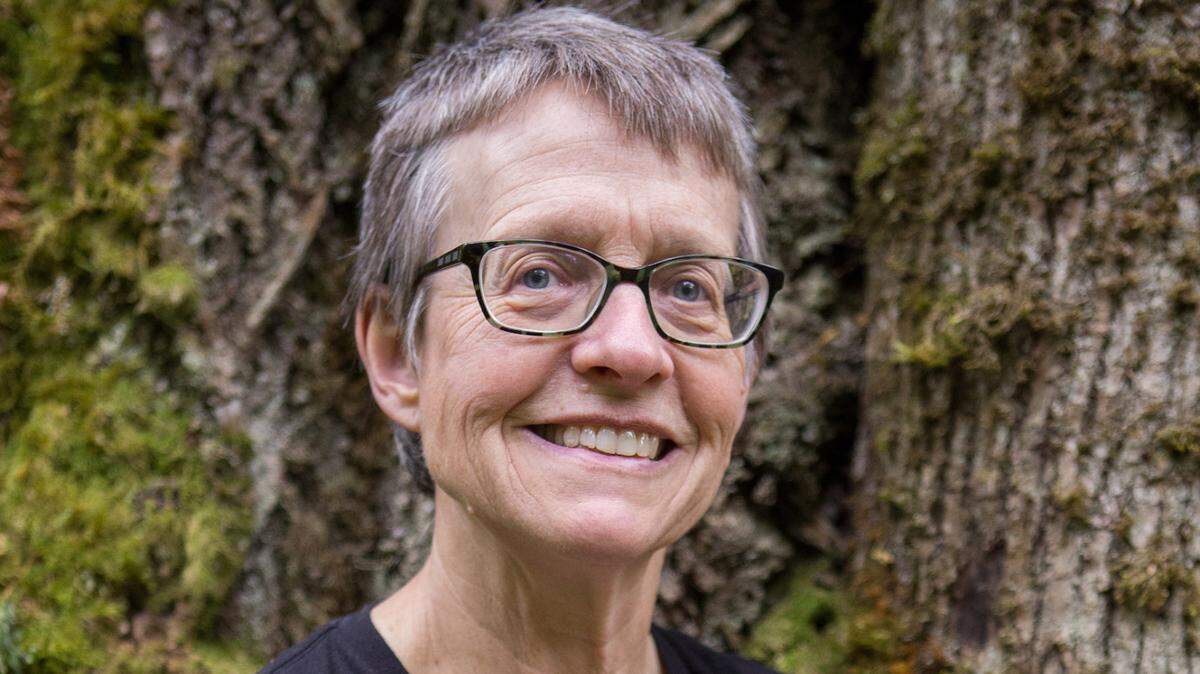
Leslie Cushman, who lives in Olympia, was the citizen sponsor of Initiative 940 and is a police accountability activist.