
Design work begins for a Deschutes Estuary that can support salmon and orcas | Opinion
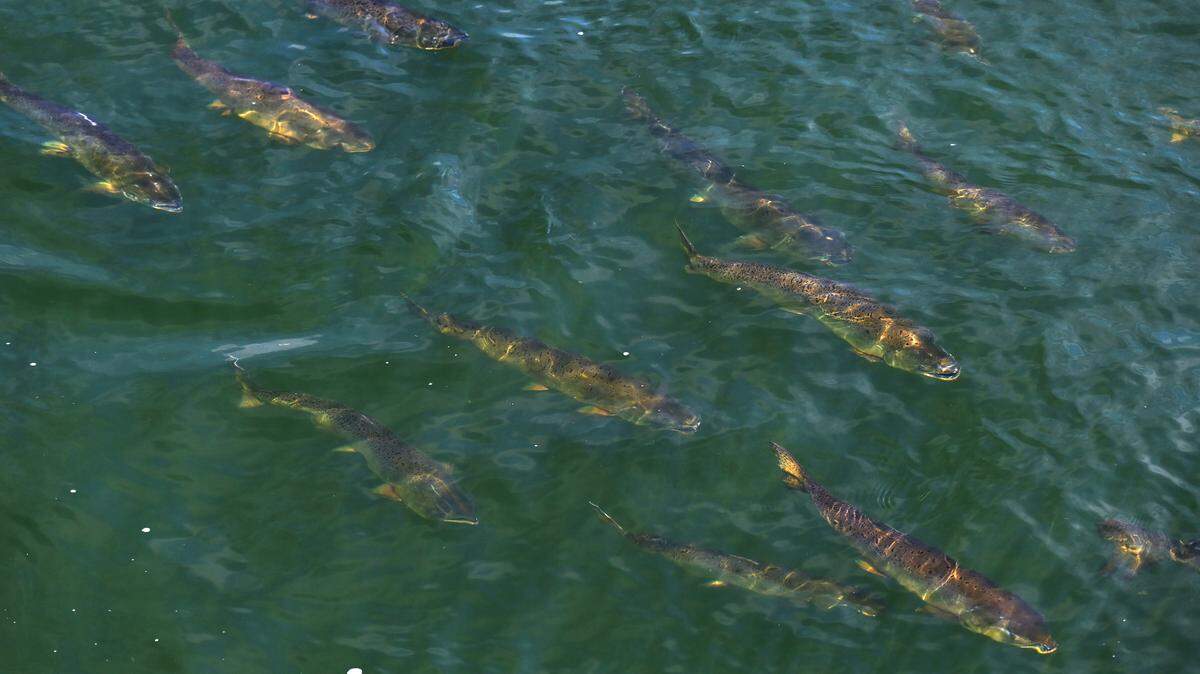
Most of us know by now that Puget Sound’s Southern Resident orcas face possible starvation because the number of Chinook salmon they depend on is dwindling.
The outlook for both orcas and salmon could be brightened by work that’s about to start in downtown Olympia. Almost a century of land use at a key spot in the city is destined to be transformed.
Drivers crossing the Fifth Avenue Bridge may soon see surveyors taking measurements around where the waters of Capitol Lake meet the tides of Puget Sound. These engineering studies will mark the first visible steps toward what is expected to become a drastic reshaping of this important human — and marine — environment.
Eventually, the dam that undergirds the bridge will be removed and most of Capitol Lake will be drained. But, by the time that happens, a new bridge will have been opened a bit further south, complete with revamped connecting roads and pathways.
Seventy-four years ago, when the 5th Avenue Dam was built, planners could scarcely foresee its environmental consequences. But they have been severe. Almost since the lake’s creation, it has failed to meet state water-quality standards. And the adverse effects of destroying the estuary where the Deschutes River meets the sound have been even worse, leading to Budd Inlet’s federal designation as an “Impaired Water Body.”
Estuaries are now known to be nurseries, especially for young salmon who rely on them for food and shelter, and to ease their transition from fresh water to the sea. If those nurseries don’t exist, or their health is diminished, fewer of the young fish make it out to the Pacific, and those who do make it out and return are considerably smaller than were their ancestors just a century ago.
Over the years, as these problems came into clearer focus, several solutions were offered. In 2018, Washington’s Department of Enterprise Services (DES) hired Floyd/Snider, a Seattle-based environmental consulting firm, to analyze the merits and drawbacks of the various proposals.
That process took almost four years, as DES sought input from scientists, officials, and the public. Their responses were reported and weighed in a series of draft Environmental Impact Statements (EIS), with particular attention paid to factors such as potential impacts on the city’s port and marinas and on the ecosystem’s overall health.
In October 2022, a final EIS determined that restoring the estuary was the “preferred alternative.” Even though some people still oppose this change, no appeals of the EIS were filed. That’s why, in April of this year, the state legislature allocated $7 million for DES to begin developing plans to restore the estuary.
Last month, the agency committed the bulk of those funds — $6,006,044 — to Floyd/Snider for preliminary designs. The firm has committed to coordinating teams of professionals, including bridge engineers, landscape architects, dredging specialists, and dam removal experts to set the stage for future work.
Arial and bathymetric surveys (to model the visible and underwater terrains) are to begin immediately. Public meetings are planned to apprise the community as work progresses and to solicit feedback.
The contract calls for Floyd/Snider to deliver plans for roughly 30% of the project, including suggestions for governance and further funding, by the end of 2024. Assuming that sufficient funding materializes, future contracts will include plans for dredging, habitat restoration, roadway reconfiguration, recreation, utility adjustments, and the delicate process of removing the dam.
The process will be long, costly and complex. But when the dam and the lake are gone, perhaps a decade from now, the Deschutes River estuary will wend its way back into existence. Everyone who drives over the new Fifth Avenue Bridge will have reason to cheer a huge accomplishment, one that, with every rainfall and tide, will improve the ecosystems that support Chinook salmon, Southern Resident killer whales, countless other animals — and us.
Mara Leveritt is new to Olympia. She’s a former investigative reporter and author from Arkansas, best known for her book “Devil’s Knot,” about three teenagers wrongly convicted of a supposed Satanic cult murder of three 8-year-old children.
This story was originally published December 4, 2023 at 8:07 PM.