
Multi Family Tax Exemption: Boon or bane to neighborhoods? | Opinion
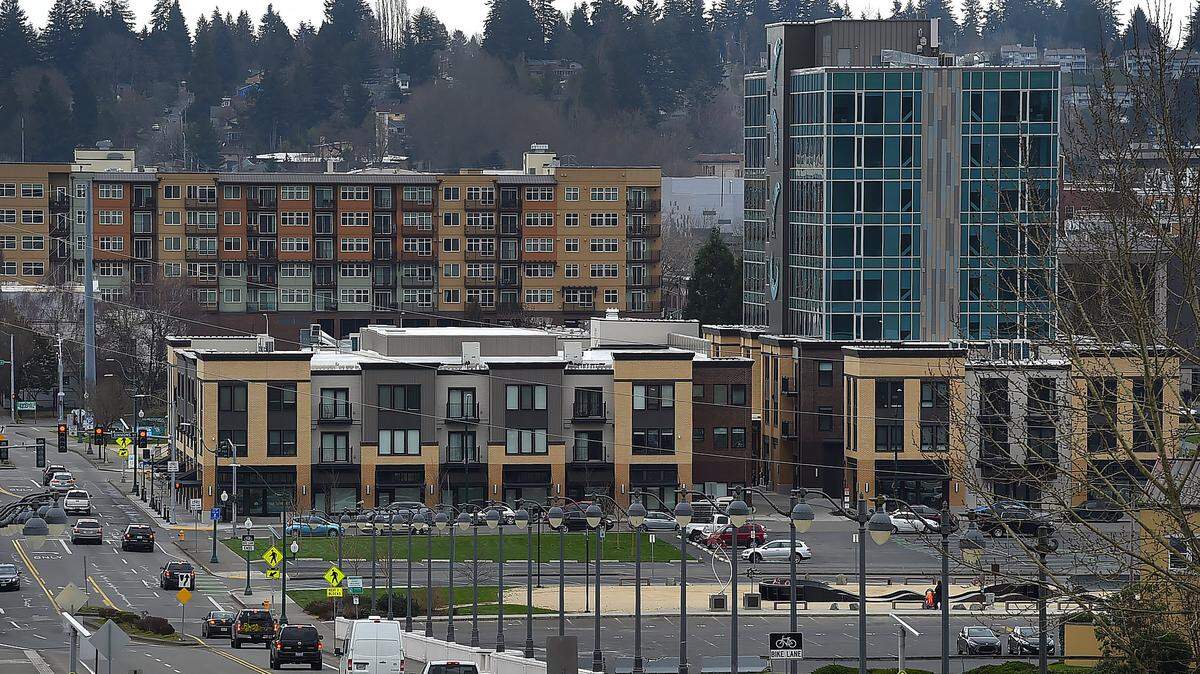
It’s hard to love a government acronym like the MFTE (Multi-Family Tax Exemption), a program that costs you money, especially when opponents portray it as a huge tax break for wealthy developers paid for by everyone else.
But since this program is intended to boost the number of apartments during a housing shortage, is that a fair representation?
The MFTE is the main incentive that cities have to boost construction of new apartments by offering property tax breaks to builders: an eight-year exemption on the value of the new construction for market-rate housing, and a 12-year exemption for lower-cost affordable housing. It also concentrates new development in the urban growth corridors, preventing sprawl. Essentially, the MFTE offers a way to activate community plans for housing into reality.
“The Comprehensive Plan is a great way to declare our goals for critically needed housing, but we need financial incentives like the MFTE to get that housing built,” said Darian Lightfoot, the Olympia director of Housing and Homeless Response.
Yes, the MFTE does affect property taxpayers. The city clarified how much: based on the 15 current MFTE projects, which include 13 market-rate housing projects and two affordable housing projects, there’s a total of $187 million in uncollected property tax. Other property owners have to pick up those unpaid property taxes, calculated to be approximately $58 per year on a $600,000 single-family house.
While nobody likes to pay taxes, we sure like what we get. Taxes are what we pay to live in a civilized society with public parks, libraries, schools, police and firefighters. New school levies are passed almost every time they’re on the ballot; voters also approved recent ballot measures for public safety, public arts and affordable housing.
Property owners can see how much of their property tax bill covers these shared benefits by going to the Thurston County Assessor’s “My Property Tax Distribution” page. A couple of highlights include the shared benefits of the Timberland Regional Library system, which costs about twice as much as the MFTE, and public schools, which cost over 30 times the MFTE. The supporters of the MFTE believe there are also shared benefits in supporting more rental housing and a slowdown of suburban sprawl.
What MFTE opponents don’t like to acknowledge is that there are existing tax exemptions that benefit homeowners, most notably the federal mortgage interest tax exemption, which until recent cuts was the single largest housing program in the history of the United States. And there are other local tax exemptions that are beyond debate: over 40 faith communities, mostly churches located within the city limits, that pay no property taxes on their buildings. Lots of people who don’t directly benefit pay for these tax breaks too.
I talked with Janae Huber, co-founder of Olympians for People-oriented Places (OPOP) who explained how the MFTE provides needed housing at all price points.
“ Olympia needs 13,000 units of housing — across all income levels — over the next 20 years,” she said. “Ideally we need to concentrate new development in areas already served by existing infrastructure rather than paving farms and cutting down forests. The multifamily tax exemption is one tool in the city’s toolbox for incentivizing development where it causes the least environmental harm.”
By the time this column is published, the city of Olympia is likely to have passed a few changes to its MFTE to ensure that the eight-year market rate housing exemption includes fees to support affordable housing for lower-income neighbors.
And while this debate will be over for now, the underlying issues will likely continue to simmer. Some will persist in condemning this as a benefit for so-called wealthy developers, paid for by the middle class. But for housing advocates, the MFTE represents a major shift in housing policy to benefit our tenant majority.
Change is hard, and owner-occupants have enjoyed many decades of favored tax status. The Olympia City Council is doing the right thing by responding to the needs of the majority who are renter residents. And a boon for the majority is boon for us all.
Anna Schlecht is retired from the City of Olympia where she worked on housing and homeless issues for several decades. This column is part of her year-long exploration of housing issues in our region.
This story was originally published December 17, 2023 at 5:00 AM.