
Hard decisions about school closures must reflect community’s values | Opinion
Since last spring, the Olympia School District has been threatening school closures. They say it is a needed step due to a projected budget deficit spurred by continued enrollment decline. At the Dec. 14 board meeting, the board passed a resolution to begin a 90-day public comment period on a proposal to close schools.
People need to hear from the district about benefits that will come with all these losses. What are they? Are the benefits ones that students are seeking and are proven to enhance an educational experience? Are the benefits going to feel real to someone who walked a block to drop their kindergartener to school, those who play pickup soccer on the field or take their toddler to the swing sets that will soon be gone?
When schools close, those that remain will get bigger. The inevitable result is that all schools across the district will see larger class sizes. If your neighborhood school is not on the list, it may still be impacted by the new boundaries that will come with the school closures. Schools protected by lotteries and special programming guidelines may escape the negative impacts of increased class sizes, creating more disparity.
Will we go back to portables? Portable classrooms are considered less safe, less functional, and less environmentally friendly, according to a district-chartered citizens review of facilities in the mid-2010s. There was a promise to eliminate them completely at schools where capital investments built “mini buildings” that added capacity at five elementary schools.
If closing schools is inevitable, then so is larger classes, more portables, and less connection to neighborhoods. The loss of neighborhood anchors, green space, and school playgrounds is also significant as schools are a partnership with the community funded with our dollars and support. Eliminating schools from the district portfolio that lie on transit lines and have sidewalks is counter to city, county, and statewide initiatives to increase the use of alternative transportation. Mothballing them or selling them opens more questions and concerns. All these costs seem too big for the community to accept.
A community process undertaken this fall with a consultant did not include a baseline discussion of what students, families and voters prioritize. There was no norming of the community’s values as a guide for making these decisions.
The board talked about school closures for months without regard to how an ever-changing list of potential closures created a sense of panic for students, faculty, and the community. The most resourced and organized groups showed up at meetings for public comment, in school T-shirts; then the list changed again, and new schools needed to organize, speak out and claim their value.
This board needs to put students at the center. The job is not easy but they are creating more divisions by handing down value statements that are not the community’s. The board must figure out what the community values, and consider equity, not just listen to the loudest community members. They must speak the hard truth with data and apply it across the district. If a school is too expensive to run because of the cost of staffing per student, be clear that is the issue and then apply it to every building and program.
As a former board member, I understand the pressure and constant criticism that comes with the job. It is essential that our leaders reflect our community and model for our students. They need to refrain from defensiveness and avoid dismissing constituents.
As a community we are all in this together — whether a school we care about is on the list for closure or not. We need a shared concern for students in the district and for the best possible outcome in an undesirable situation.
The school board represents the whole community: students, parents, elders who volunteer in the classrooms, toddlers with caregivers who use playgrounds, youth sports teams, community worship organizations that use facilities for services. Public schools are a common good. We all have something at stake. As a community we need to engage to express our concerns.
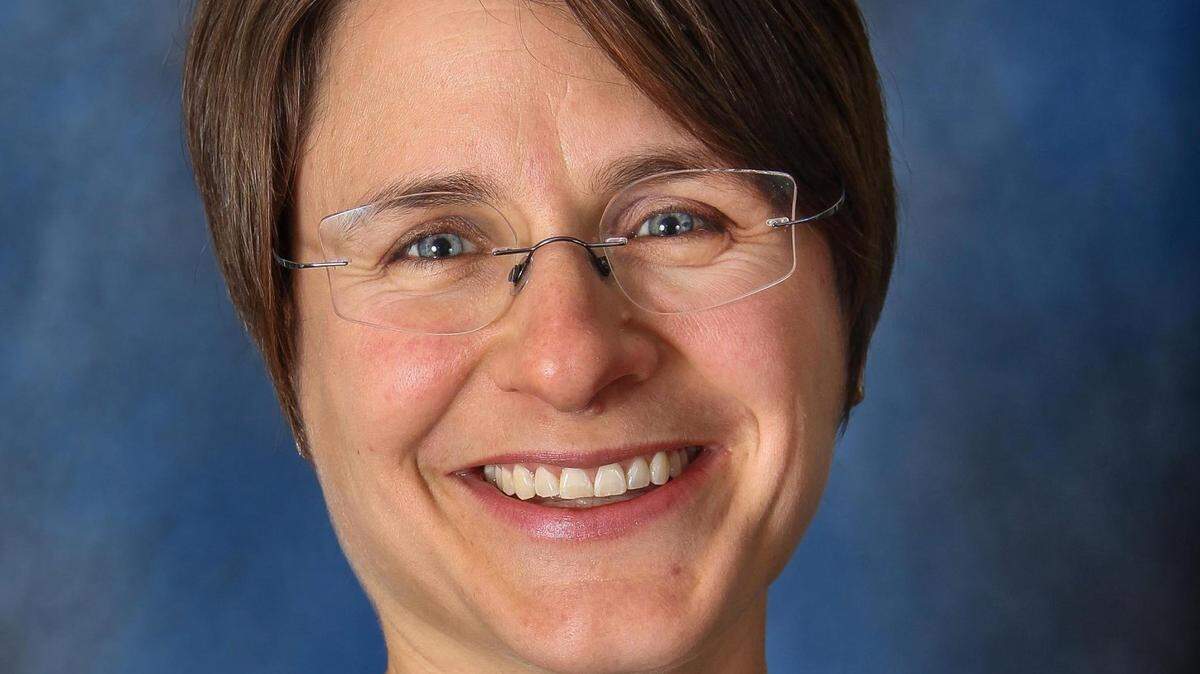
Joellen Wilhelm is a former Olympia School Board member whose children attend Olympia High School and Reeves Middle School, and formerly attended Madison Elementary.
This story was originally published December 16, 2023 at 5:00 AM.