
Last year’s focus was housing. In 2024, lawmakers must tackle WA’s 2 biggest problems | Opinion
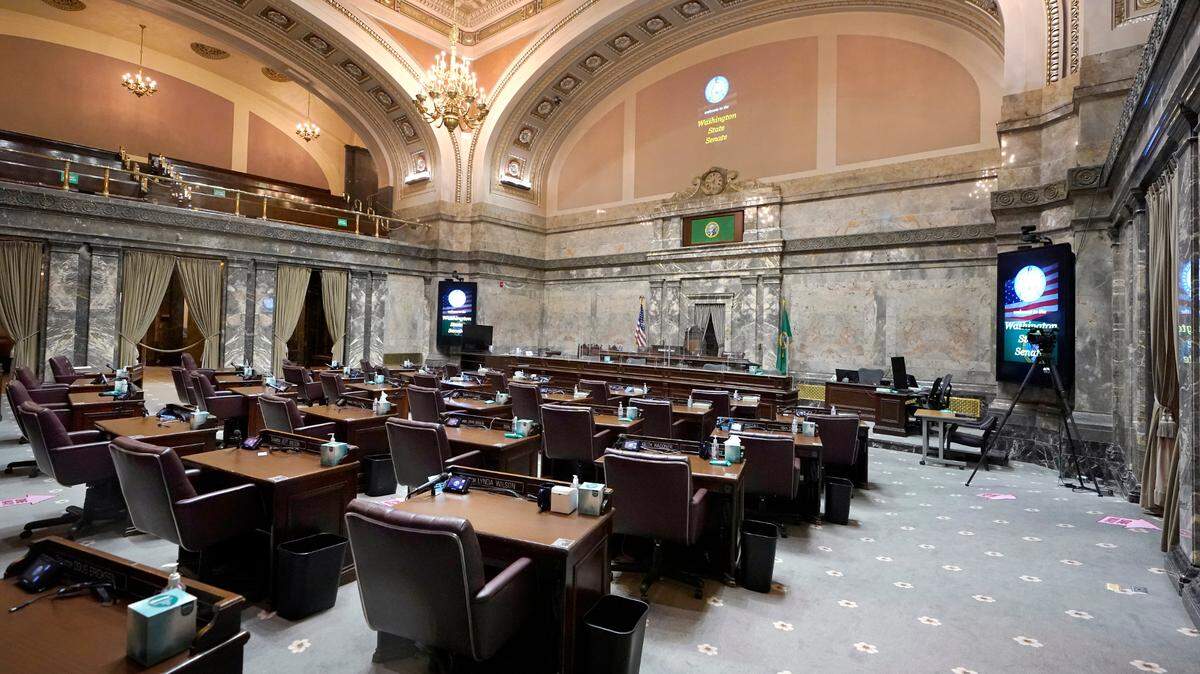
Maybe, just maybe, the Washington state legislature will finally take action during the current short 60-day session on what I have argued are the two biggest issues facing our state: funding basic education and funding for county governments to fight crime.
Under Washington’s constitution, the state, not local taxpayers, is obligated to fully fund basic education. As I wrote at this time last year, it is undeniable that, despite years of litigation and legislative action, the state is still not fulfilling this obligation.
Districts are still too reliant on local levies, which leads to unequal education opportunities.
We are not supposed to have rich and poor school districts across the state — and yet, that’s exactly what we have.
This year, thankfully, there are serious proposals that could take a big step toward fixing this problem. State Superintendent of Public Instruction Chris Reykdal has proposed a seven-dollar-per-hour pay raise for all paraeducators. Governor Jay Inslee also mentioned raising paraeducator salaries in his State of the State address. Most importantly, bills have been introduced to accomplish it.
Something will likely make it through the legislative process to increase state pay for paraeducators. Full disclosure: My wife is a special education paraeducator in the Auburn School District; I work for King County.
Paraeducators, like nurses, paralegals and non-commissioned officers in the military, are the trained professionals who work with the bosses — in this case, the teachers — to make the unit run. Paras work directly with students. They’re especially critical in special education classrooms.
Salaries are by far the biggest expense for school districts. Paras make up roughly 20% of the educational workforce. More state support for paraeducator salaries would be a big step toward what Washington’s constitution requires, full state funding of basic education.
Nothing is more basic in education than paying the staff who teach our kids.
Beyond the constitutional imperative, raising pay for paraeducators is vital because Washington is losing paras at an alarming rate. The average paraeducator makes roughly $30,000 a year in our state, according to a 2023 analysis commissioned by OSPI. The same review found that in the 2021–22 school year, the turnover rate for Washington’s paraeducators was 23% — and that nearly half of all paras had less than five years of experience.
Funding the criminal justice system is another basic core responsibility of government, in this case, county governments.
Counties fund and manage virtually the entire criminal justice system, including courts, jails, prosecutors, public defenders, county sheriffs, juvenile detention and community corrections staff for non-violent offenders.
They do this with the funds available under the revenue system created for them by state law.
That system just doesn’t work.
Washington’s property tax levy that funds county government is capped at 1% growth a year. In other words: the levy responsible for funding the vast majority of our criminal justice system isn’t allowed to keep up with inflation or population growth.
The result? A system bursting at the seams.
Consider the supplemental budget just passed by the King County Council. King County was forced to cut $13 million from its current two-year budget, including eliminating more than 12 positions in the Sheriff’s department. Much deeper cuts are on the way.
As in previous sessions, there is legislation on the table in Olympia that would allow the general levy to rise with the rate of inflation to a maximum of a 3% increase per year. The bill has been heard in the Senate Ways and Means Committee. Supporters are optimistic they can get it passed this year.
Obviously, this is a contentious issue. No one wants to pay higher property taxes. But everyone wants something done about crime. The debate shouldn’t be about property taxes, it should be about fixing our broken, antiquated system of funding county government.
If someone has a better idea than letting the property tax levy rise with the rate of inflation, I’m sure county leaders would love to hear it.
The Governor and legislative leaders called 2023 “the year of housing” in the legislature. Housing is certainly a basic need, but so are good schools and safe neighborhoods.
I hope 2024 will be remembered as the year of kids and public safety.
Chris Vance is a former Republican state legislator, King County Council member and State Party Chairman. He left the GOP in 2017. Vance writes a monthly opinion column for The News Tribune.
This story was originally published January 24, 2024 at 5:00 AM with the headline "Last year’s focus was housing. In 2024, lawmakers must tackle WA’s 2 biggest problems | Opinion."