
Ranked-choice voting sounds good. But here’s why it would disenfranchise voters | Opinion
It is our great privilege to serve as Washington State’s and Spokane County’s top election officials and lead the fight for civic participation through the ballot. And we share deep concerns that proposals to convert elections to ranked-choice voting and push local elections to even years would hurt this state’s well-honed election process.
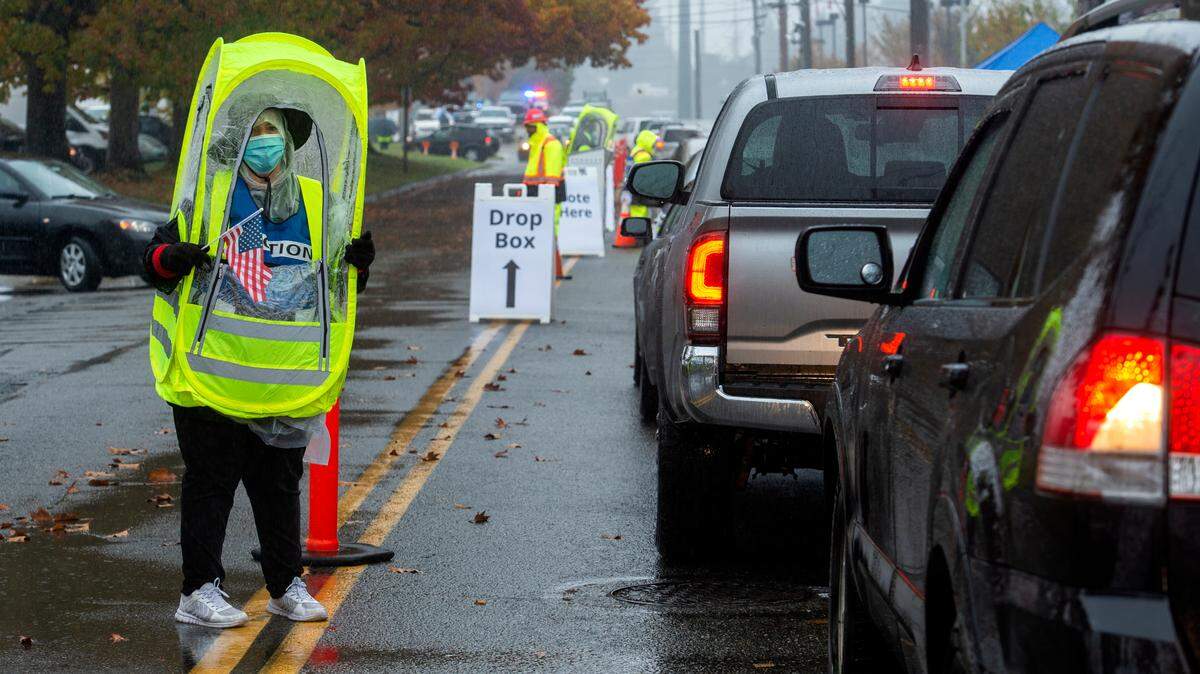
Washington has a strong vote-by-mail architecture, enabling participation via postage-paid mail, at hundreds of county-administered drop boxes, or in person at voting centers. Anyone eligible can register to vote up to election night. Registered voters are mailed ballots and voter pamphlets without requesting them first. National studies perennially rate Washington at or near the top in ease of access to voting.
We strive to promote improved accessibility across the state. Thanks to recent legislation and innovation, we encourage people to register to vote post-incarceration, provide a robust online system allowing voters to register and track their ballot via web and text messaging and enact automatic registration for everyone who gets an enhanced state ID card or driver license, which requires proof of citizenship.
Our carefully designed system relies on professional election workers guided by well-honed laws. However, several organizations are calling for structural changes that, though well-intentioned, could undercut election stability and the voting public’s confidence.
The proposals to transition jurisdictions to ranked-choice voting and shift local elections to even years are concerning. The importance of a sound elections system providing an equal voice to every voter — not just those hyper-attuned to politics — must not be devalued.
Elections offices operate with higher stakes than retail businesses. An error in administering democracy can have profound consequences, including disenfranchisement or botched elections. Yet advocates compare voting systems to choosing desserts or pizza toppings, glossing over hard truths about equity.
Before signing onto ranked-choice voting, we ask that you listen to the experts who ensure every Washington voter counts. It is not simple to convert elections from checking one box to ranking several choices. Washington’s developmentally disabled adults, including Secretary Hobbs’ son, can and do vote. For many people, it requires significant effort to pick one candidate per race. Ranking multiple choices is a more complicated task. People new to American democracy face similar challenges to understanding the system. Secretary Hobbs’ mother faced this struggle as a new immigrant.
Even advocates of changing voting methods have conceded that 29% of voters don’t rank multiple candidates in ranked-choice elections. This means nearly a third of ballots have reduced influence, an unacceptable deprivation. In findings released earlier this year, Princeton University professor Nolan McCarty examined ranked-choice elections in New York City and Alaska and found that minority voters are disproportionately shortchanged by this construct.
Secretary Hobbs repeatedly requested legislation to set voter education requirements for jurisdictions that change voting systems. Accessibility is not optional in elections. It’s the mission.
Election officials embrace helpful reform, but we push back when changes are impossible or overwhelming to implement. Transitioning jurisdictions to a novel method of voting would challenge many small election offices. Conducting multiple types of elections at the same time could be unfeasible given resource constraints.
Moving local elections to even years would similarly harm equity. This could make election offices in poorly resourced counties vulnerable to cost-saving staff cutbacks. In a time of intense pressure and scrutiny on all elections, we can’t lose well-trained professionals and maintain voters’ confidence. Voters in every county have a right to sound elections.
Keeping local races and issues on odd-year ballots gives time to spotlight those races among people whose daily lives prevent constant attention to political events. The erosion of local media covering our city councils and school boards is a tragedy for civic engagement. Moving local issues into the same elections as high-publicity state and federal campaigns would inhibit local discourse further.
We champion empowering every potential voter. We want productive discussions with people who share this mission so we can enact responsible, thoughtful improvements.
This story was originally published May 2, 2024 at 5:00 AM with the headline "Ranked-choice voting sounds good. But here’s why it would disenfranchise voters | Opinion."