
We have a once in a lifetime chance to protect old growth forests | Opinion
It is not every day that the federal government has an opportunity to do something truly important for our state and our country’s precious old-growth forests.
Healthy forests, of which old growth is an important component, provide many benefits to people and nature, including: providing sources of clean drinking water; mitigating the impacts of severe weather events such as wildfire, floods, and drought; sequestering carbon from the atmosphere; providing wildlife habitat; and, generating revenue for local economies through sustainable forestry, tourism, and recreation opportunities.
Today, primarily due to a history of aggressive timber harvest, old-growth forests only account for about 17% of forested lands managed by the U.S. Forest Service.
Recognizing the importance of old growth for healthy and resilient forests, the U.S. Forest Service has proposed a nationwide forest plan amendment called the National Old Growth Amendment (NOGA) to conserve the remaining old growth and to restore its abundance across the 193-million-acre National Forest System. This would be a major opportunity to make a targeted update to individual forest management plans – the majority of which are decades out of date – by ensuring they recognize the many values supported by old-growth forests and include intentional management of these critical components of a functioning ecosystem.
While logging is no longer the primary cause of old-growth forest loss, new challenges such as climate change combined with a century of fire suppression are increasingly putting our remaining old growth at risk. Forests in Washington state and beyond need to account for threats such as ongoing and elevated severe wildfires.
Our federal delegation should support this important amendment.
A thoughtful nationwide amendment has the potential to reduce conflicts around timber harvest of older forests, enhance the resilience of our forests to the effects of climate change, ensure better ecological outcomes, and better position our country as a world leader in managing public lands as natural climate solutions.
As a part of the amendment process, it is important for the U.S. Forest Service to incorporate the best available western science and Indigenous knowledge to proactively steward old-growth forests into the future using both active management and passive management techniques, as appropriate for individual forest types.
Through the amendment process, the agency should adopt a meaningful approach for recovering the distribution and abundance of old-growth forests across the entire National Forest System. Efforts to restore and steward old-growth forests need to be comprehensive and cohesive across the country and retain enough flexibility to be successfully adapted to all forest types and local community needs.
To this end, the amendment should also incorporate strong monitoring, accountability, and adaptation measures to ensure that old-growth forests are appropriately stewarded over time. Monitoring of forests should also account for the climate benefit these forests provide by assessing the amount of carbon they capture and sequester.
As an international leader in natural climate solutions, the United States should use this amendment to demonstrate the benefits of improved forest management and conservation for the rest of the world.
NOGA and NWFPA are critical to the future of our state’s forests. Given our federal delegation’s leadership on environmental issues and in Congress, their public support for NOGA and NWFPA would make a positive impact on the process and be very appreciated by those who are working so hard to ensure sustainable forest health in our state and region.
We should not let this rare opportunity to do the right thing pass us by.
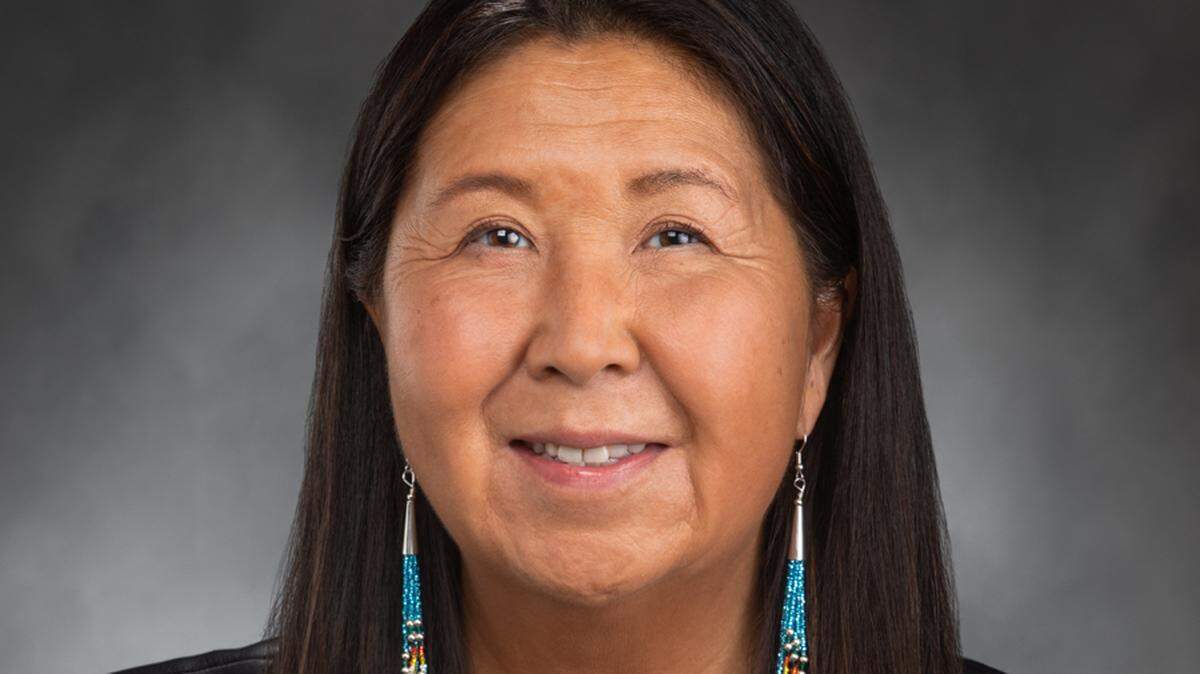
Rep. Debra Lekanoff represents the 40th Legislative District of Washington state, which includes parts of Whatcom, Skagit and San Juan counties, and is the only Native American woman to currently serve in the House. Rep. Joe Fitzgibbon of West Seattle was elected to represent the 34th Legislative District in 2010 and was elected House Majority Leader in 2022.