Squirrels love chewing car wires. Here’s why — and how to get them to stop
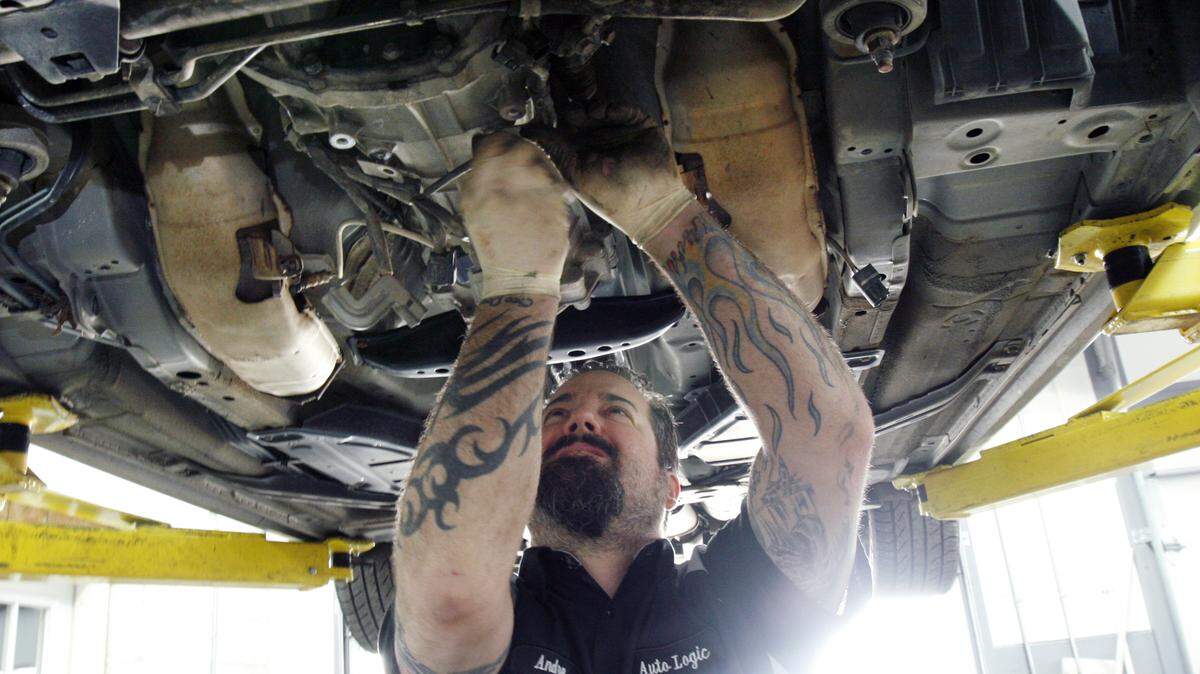
In Washington state, squirrels are noted as a preferred wildlife species in both urban and suburban settings. But they are also known to nest, chew and scratch in inconvenient places such as inside house walls, in car wiring and more. Although squirrels prefer hollow trees, abandoned woodpecker cavities and the like in the Evergreen State, they will also nest in buildings and other structures.
But car damage from squirrel activity is often what ends up costing humans the most cash. So how do you keep squirrels from doing damage to the wiring in your vehicle?
Why squirrels chew car lines
It is widely believed that rodents are attracted to the soy-based insulation used to cover wires in many cars, but there is little actual evidence to support that theory.
Rodents (including squirrels) need to continually chew on something to whittle down and sharpen their teeth, which never stop growing. The word “rodent” comes from the Latin word “rodere” — to gnaw. Other rodents, especially mice and rats, can be equally to blame.
“Wires in cars, plus some of the plastic in your car, is nice and hard to chew on, and in many cases something like wire is easy to manipulate in their hands to put in a position to chew,” said Michael Cove, research curator of mammalogy at the North Carolina Museum of Natural Sciences, where the gray squirrel is the state mammal.
“If they are chewing for food, it will likely be to get food inside of your car and not to eat the wires themselves. But most of the time, it’s just to chew and gnaw.”
Cove personally experienced squirrels chewing up his car to get to some food inside. He and his wife brought a large bag of sunflower seeds home to feed their goats, and they left the feed in their trunk all weekend. The squirrels, delighted to find a treasure trove of hard-shelled seeds, chewed clean through the bumper to get inside the car and feast.
“It’s the consequence of there being lots of squirrels in heavily populated human areas, and they’re looking for things to chew. Our cars and homes coincidentally have extra hard stuff compared to the natural world,” he said.
How to deter squirrels
The most foolproof way to teach squirrels and other rodents that your car is not a stationary object (like a tree) to which they can keep returning is to simply move it.
“Leaving your car standing still anywhere for an extended period of time is begging for squirrels, Carolina Wrens, house mice, house rats to investigate and check it out. Moving it consistently helps for sure,” Cove said.
Kelsey Lambdin, co-owner of longtime mechanic shop Cary Car Care, agrees that stationary cars are targets. This issue was exacerbated during the pandemic when people weren’t driving as much, and cars that used to be out of the house all day were now sitting in the driveway for weeks, if not months, at a time.
If you’re not taking your car on the road every day, the solution can simply be moving the car between your driveway and street every few days.
Here are some ways to deter squirrels and other rodents from chewing on your car:
Get rid of all food
Rodents can chew through nearly any part of a car to get inside and eat your snacks.
“I would absolutely recommend not leaving any food in your car ever, since it doesn’t take much for animals to get in there. Rats and mice are more likely to eat things in cars than squirrels,” Cove said. “While squirrels are looking for food, chewed wires is usually a casualty of the search.”
Plus, squirrels can live in urban environments without a lot of trees, so they may have competition to make their dreys, or squirrel nests. If you leave food in your car, it can attract squirrels to use your car to build theirs.
Use natural deterrents: Since the goal is to disgust squirrels and not kill or poison them, you should use natural deterrents. This can include clove oil, cinnamon oil, peppermint oil or cayenne pepper applications.
Look into rodent tape: Honda’s rodent-deterrent tape is essentially electrical tape with spicy capsaicin, which Honda describes as “the stuff that puts the fire in a bowl of five-alarm chili,” Consumer Reports wrote. Honda sells the tape for about $50 for 65 feet.
“Wrap any trouble spots to prevent any future wire harness issues. The tape is treated with capsaicin (active component in chili peppers). When wrapping the harness it is recommended to use the half-wrapping method. Each time you wrap the tape around the harness overlap the previous layer by half the width of the tape,” Honda says.
Keep an eye on your birdfeeders: They’re squirrel attractants, so if you already have a high density of squirrels around your home, adding a birdfeeder will likely draw them to your space, Cove said.
“There are kinds of bird seed made with hot pepper, cayenne pepper, to deter squirrels from eating it,” Cove said. “If you’re using that spicy bird feed and don’t see squirrels around the bird feeder, I’d recommend finding what kind of squirrel deterrent they use on the bird seed and apply that same natural remedy to your car.”
Can squirrels severely damage your car?
Squirrels can do serious, and costly, damage to your vehicle. There are some telltale signs you should look closely at your car before driving.
“Anytime you get in your vehicle to drive, you should make sure you don’t see anything new where it was parked — new fluid on the ground, new pieces of plastic, rubber, debris. Especially if it hasn’t been driven in days,” Cary Car Care’s Lambden said.
Brake lines and fuel lines are common spots for squirrels to chew.
“Fuel leaks are a fire hazard, and a brake leak can lead to your brakes failing. Both of these situations are extremely dangerous,” she added.
How expensive is it to repair squirrel damage to cars?
A ballpark figure would be a few hundred to a few thousands of dollars, depending on the severity of the damage and what was affected, Lambdin said.
“The most devastating and expensive [repair] is when they chew through wires, fuel or brake lines,” she said.
Is squirrel damage to cars covered by insurance?
Rodent damage is typically covered under comprehensive coverage, as long as comprehensive coverage is available on the policy at the time of the loss, said spokespeople for State Farm and other experts.
Comprehensive coverage helps pay to replace or repair your vehicle from damage not caused by a collision. It’s sometimes called “other than collision” coverage.
Squirrel and rodent damage is a common claim that insurance companies see often, according to experts.
This story was originally published May 9, 2023 at 5:00 AM with the headline "Squirrels love chewing car wires. Here’s why — and how to get them to stop."