Living in Seattle, the U.S. epicenter of the coronavirus--with still so much unknown
I’ve been asked by friends across the country what it’s like to live in Seattle right now.
It’s surreal. It’s unprecedented.
And its scope is still largely unknown.
We are in the epicenter of the United States’ outbreak of coronavirus. Wednesday afternoon—after the World Health Organization declared the coronavirus a global pandemic, before Tom Hanks announced he had it and the NBA suspended its season to make this crisis more real to the entire country—this was Seattle’s real:
Our King County had 26 of the nation’s 37 confirmed deaths and about one-quarter of the nation’s cases of the COVID-19 virus (320 of 1,283 incidents). And 23 of those 26 deaths have come from one Seattle-area senior-care facility, in the suburb of Kirkland.
Doctors and public-health officials says those numbers are likely to go higher in Seattle and across the country, as more tests and results become available.
Last week, I thought the virus’ impact on Seattle was being overblown, that this is was media and social overhype. Then, I was taking the science saying COVID-19’s impact on relatively healthy people below age 60 was relatively minimal. I was ignorantly surmising I and most others weren’t at true risk.
I now realize the risk isn’t as personal. It is civic. This about the importance of not getting the virus so as to not spread it inadvertently to those in more fragile health. My wife working at nearby Seattle Children’s Hospital drives that home.
And, again, we really don’t know who is carrying coronavirus in Seattle and who isn’t. The delays in testing ruined the chance to truly contain this pandemic here.
I live in Seattle proper, in the Roosevelt neighborhood. It’s a few blocks north of the University of Washington. Last week UW became the first university in America to cease classroom instruction and go to online learning as part of “social distancing” to respond to the virus.
“Social distancing” are the new buzzwords around Seattle. It’s the recommendation from local and state public-health authorities to refrain from large gatherings. To use fist or elbow bumps instead of handshakes. To maintain a distance of at least six feet between you and other people.
The infamous “Seattle freeze” between strangers has never felt colder.
Traffic through city streets and on I-5 a few blocks west is usually bumper to break light almost all times of the day. This week it’s like the traffic in Moses Lake. It’s a stream of constantly free runs into and out of the downtown Seattle core.
The generators of all that traffic, Amazon and Google in South Lake Union, Starbucks in SoDo, Microsoft in Redmond across Lake Washington a few miles east, have sent hundreds of thousands of employees home, to work remotely from there. You can find parking spots in a downtown that usually has none of them.
People walking on sidewalks are averting their eyes while wearing surgical masks.
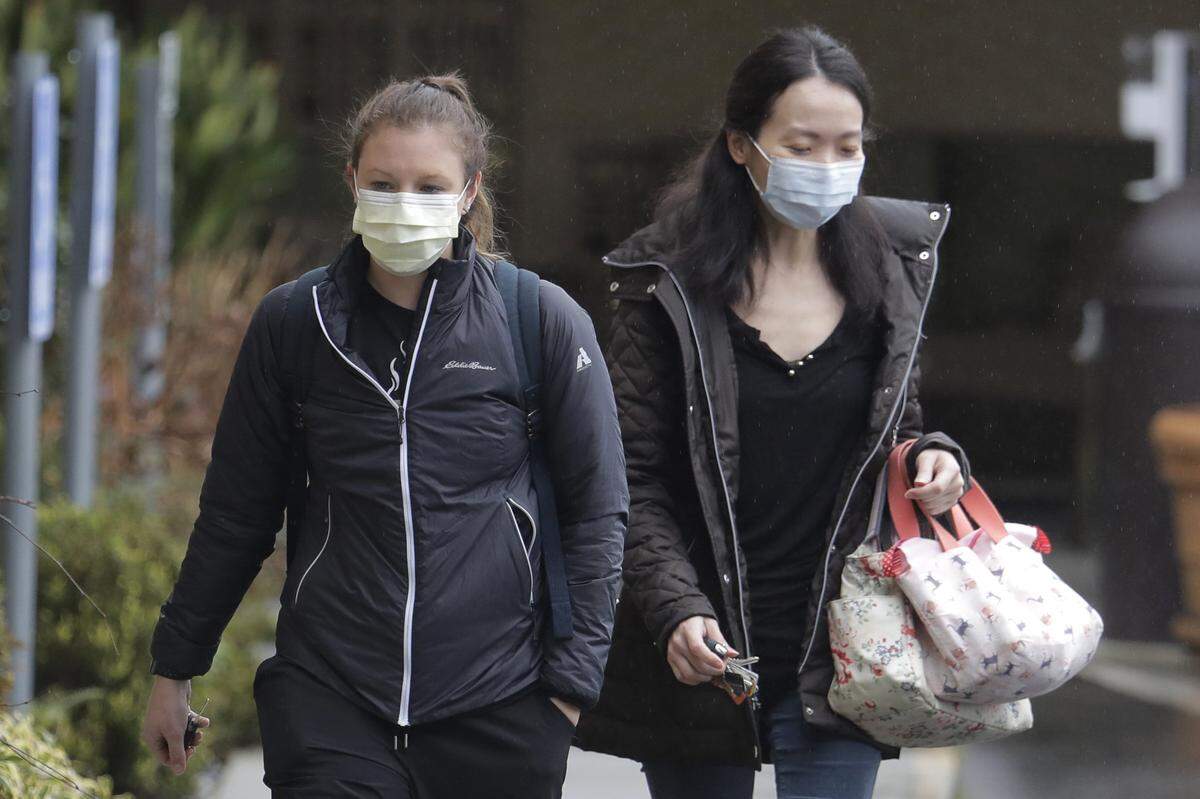
Wednesday, I approached a woman wearing a pale-blue mask on the sidewalk along the street. We were passing the Ida Culver House retirement home, a half mile from my house. A resident of the Ida Culver House, a man in his 80s, died this week from the coronavirus. I thought about that as I passed by today.
A few feet to my left, a young woman wearing tall black boots and holding a clipboard asking questions of an elderly lady as she was exiting a car in front of the facility. She asked the older woman how she was feeling, if she had recently had a fever or a cough.
Gov. Jay Inslee announced Wednesday a ban on gatherings of 250 or more people through at least the end of the month. That announcement mid-morning accelerated the virus’ effect on life throughout Seattle—and the West Coast. By late Wednesday night, California’s governor imposed the same ban in his state.
Major League Baseball’s Mariners will be moving their season and home opener, previously scheduled for March 26 downtown, plus the entire first homestand of the season. UW said Huskies home games will only have families of players and invited recruits in attendance. The Sounders are postponing their home match March 21 at CenturyLink Field, also the home of the NFL’s Seahawks.
The Seahawks are in their offseason. It’s conceivable they will join the Eagles, Saints and Steelers in reportedly limiting scouts’ travel to draft prospects’ pro days this month into next. It’s also conceivable those prospects, and free agents, may cancel scheduled visits to Seattle during this civic crisis.
And it is exactly that, a civic crisis.
The governor’s ban on gatherings Wednesday intensified this virus’ impact on the city. Seattle Public Schools, the state’s largest district with its 54,000 students from all walks and socio-economic situations, announced classes and activities are canceled for at least two weeks beginning Thursday. The two weeks matches the self-quarantine time from the virus recommended by the U.S. Center for Disease Control.
Schools superintendent Denise Juneau called the situation in Seattle “unprecedented.”
“We also recognize there are still a lot of unknowns about this disease and just how prevalent it is in our community,” the school district said in an e-mail to parents I received Wednesday. “Yesterday, we had our first staff member confirmed with COVID-19. As testing becomes more readily available, these cases will increase. While children appear to be more protected from extreme symptoms, adults, including our educators and employees, need support and protection as well.”
This is more important and real-life than the virus’ impact on sports.
Juneau and district leaders had held firm for a week amid demands by parents and leaders in Seattle to cancel classes, as some private schools and one public district north of the city had done. But Seattle Public Schools provides free breakfast and lunch to homeless students, to students from low-income families. For those kids, school is their main, or only, daily structure.
Unlike in Seattle’s wealthy, Microsoft-ed suburbs, kids in the urban school district have parents working two jobs. Those jobs are often lower-paying service ones that don’t afford employees random days off with no notice to stay home with their children.
That’s why the district didn’t want to close.
After the governor’s edict Wednesday, it had no choice.
Three other districts followed suit. Now more than 110,000 kids are not in school for at least the next two weeks, if not longer.
My 17-year-old daughter is a junior at Roosevelt High School, a couple blocks from our house. She said as classes were ending Wednesday an announcement came over the school speaker system. It said students who qualify for free or reduced lunch could come pick up food bags and gift certificates. Those were prepared in advance of Wednesday’s decision to close school. The bags and gift cards are to help those kids get through the next 14 days.
The school district’s announcement via telephone Wednesday included the notice that “emergency food distribution will begin March 16.”
Online teaching? Every student with laptops and internet access at home in this city of Microsoft and Amazon?
Many kids in Seattle’s urban, public school system have far more basic needs than those. They rely on school for more than you or I can imagine.
People don’t think about that if they think this coronavirus is being overblown.
This is what life is like inside Seattle right now.
I wish it could be more about sports. But right now, it shouldn’t be.
This story was originally published March 12, 2020 at 6:58 AM with the headline "Living in Seattle, the U.S. epicenter of the coronavirus--with still so much unknown."