
Shrink the size of your Pacific Northwest lawn this spring to reduce costs and water use
How is your lawn looking this week? Spring lawn care can determine the health of your grass the rest of the season, so give your lawn some love by mowing, edging and, most important, raking up winter debris and thatch to allow air to reach the grass roots.
You can hire professionals to thatch or aerate your lawn and then use spring lawn food to encourage a thicker turf that crowds out weeds.
Shrinking the size of your lawn is also an option this spring. The movement to less turf is growing as the expense and water to maintain a lawn keeps growing.
Here are some ideas for using less water and fewer chemicals and adding more diversity and color to your landscape.
Add more groundcover
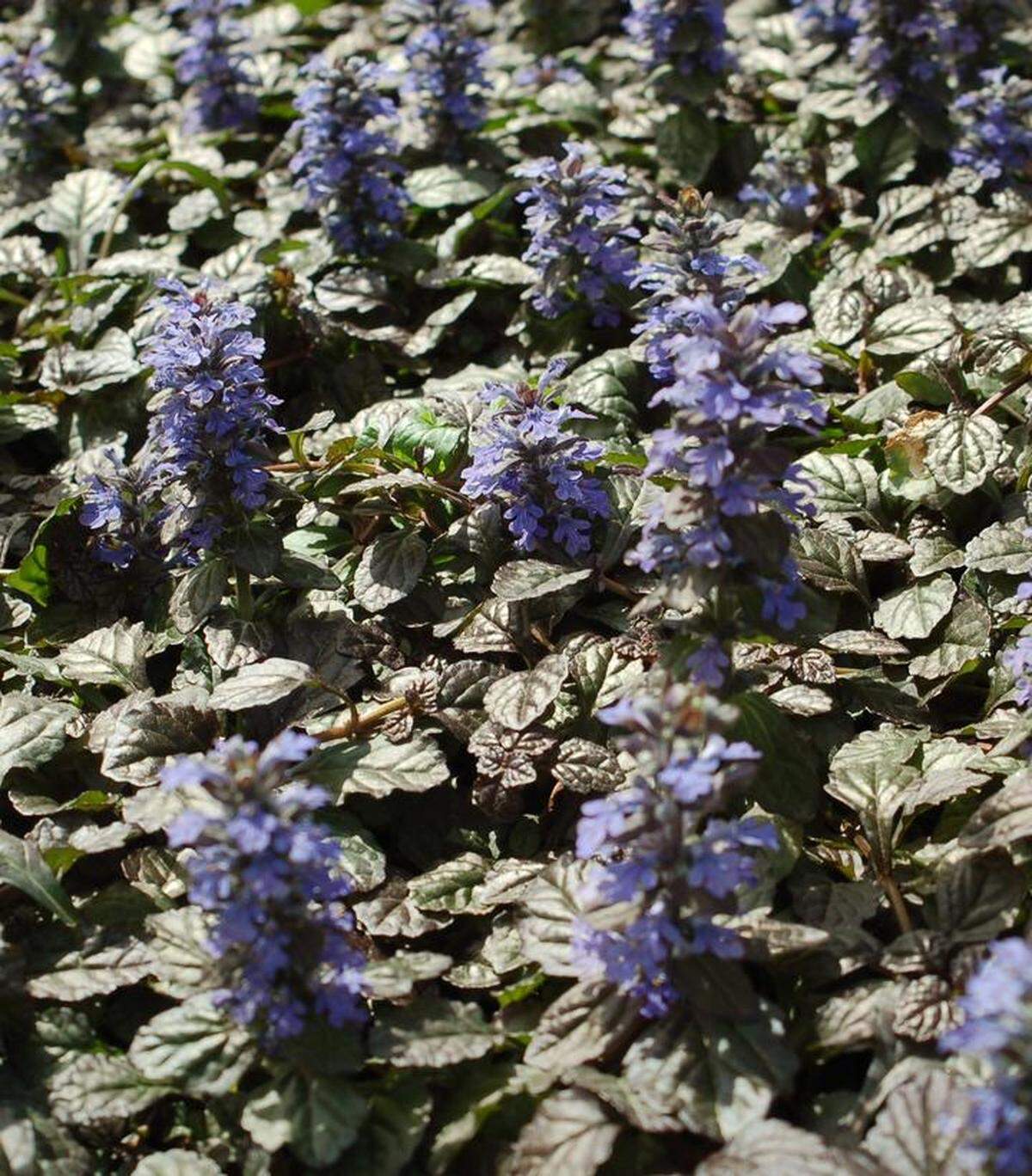
Low-growing groundcovers that thrive in the conditions that once grew grass include pachysandra and ajuga for the shade and cranesbill geranium or sedums for the sun. The trick is to dig and remove the turf roots and all before planting the new groundcover.
Tip: Start small. Just cut out a few feet of the lawn and plant a few groundcovers to see how they do. Removing an entire lawn is a bit risky as you first must figure out what will grow best in its place.
Add a sitting area without lawn
Is the grass always struggling in the shade? Do the areas where the hose won’t reach turn brown every summer? Think pocket patio instead of trying to improve a struggling lawn.
You don’t need to pour concrete. Box stores sell large steppingstones that can be arranged on top of sand to create a level surface for a bench or lounge chair. Gravel can also be packed down firm to serve as a base for an outdoor room.
You can’t kill rocks – and they don’t need water
Take a page from the arid South and design with gravel, boulders and rocks to create a surface of different colors and textures. You can create dry stream beds, gravel paths and plant boulders instead of bushes to make a low water use landscape interesting. In the rainy climate of Western Washington rocks and boulders can grow moss to add to their beauty.
You don’t need to spare the plant material if you decide to use stone in your landscape. Shrubs such as mugho pine, junipers and potentilla will thrive when surrounded by rocks or gravel, and sedums, succulents and yucca can be grown in containers and rarely need watering.
Go natural and grow native
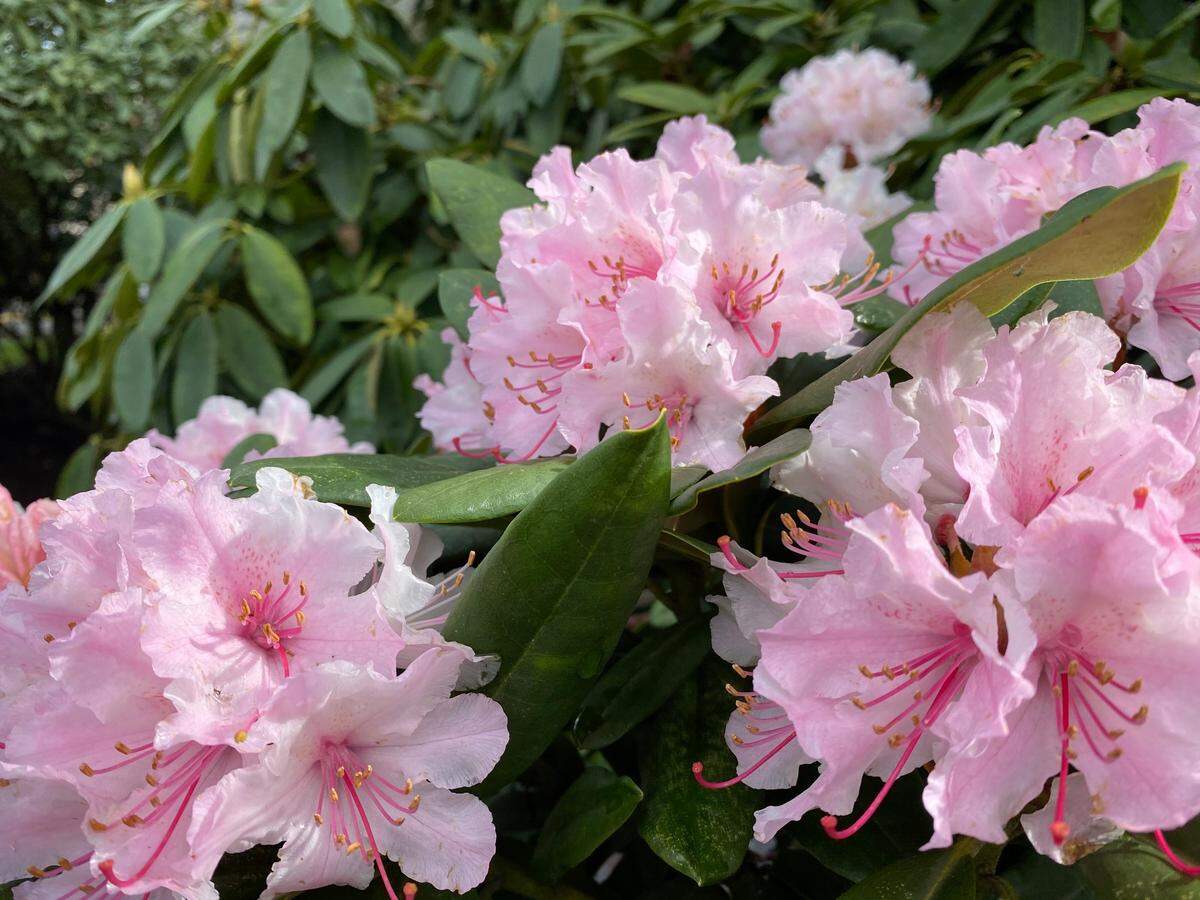
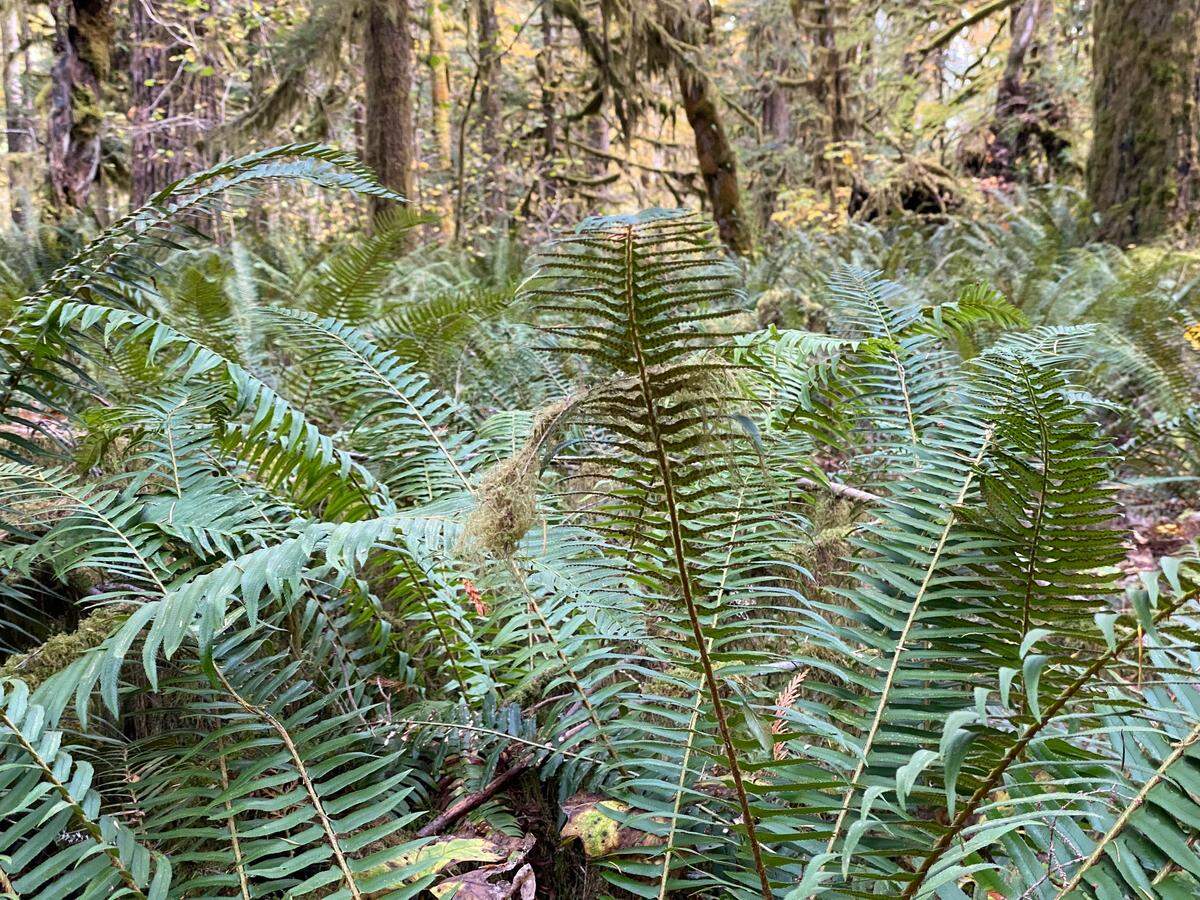
If you have shade, you have a lawn that struggles. Large cedar and fir trees in your landscape also interfere with a healthy lawn. Consider removing the lawn under trees and replacing it with native sword ferns, salal, Oregon grape and even some taller native plants such as vine maple and rhododendrons. A mulch on top of the soil will help to conserve moisture as the native plants become established.
Soon you will notice more bees, birds and butterflies visiting your property. Blooming groundcovers for the shade include lamiums, vinca, ajuga and epimediums.
Marianne Binetti has a degree in horticulture from Washington State University and is the author of several books. Reach her at binettigarden.com.