
Spring gardening tips for taking care of hydrangeas, hyacinths and moss in the lawn
The beginning of April is a good time to think of the color of those daffodils in bloom.
Yellow means “slow down” so pace yourself when it comes to adding tender plants and planting seeds this week. Here in Western Washington, we still have four more weeks of possible frosts, so this is not the time to add warm season veggies or annuals to the garden.
Early spring pruning can be accomplished this week. Sharpen the shears and get snippy with roses and clematis if you have not yet pruned these plants back by at least a third. Perennials and shrubs that bloom late in the summer or in the fall such as Rose of Sharon Hibiscus and Sedums Autumn Joy can also be pruned back this week.
Tip: Do not prune spring flowering clematis such as Clematis Montana now or you will cut off the flower buds. Do not make deep cuts or do severe pruning on the old-fashioned mop head hydrangeas now or you will sacrifice the summer blooms.
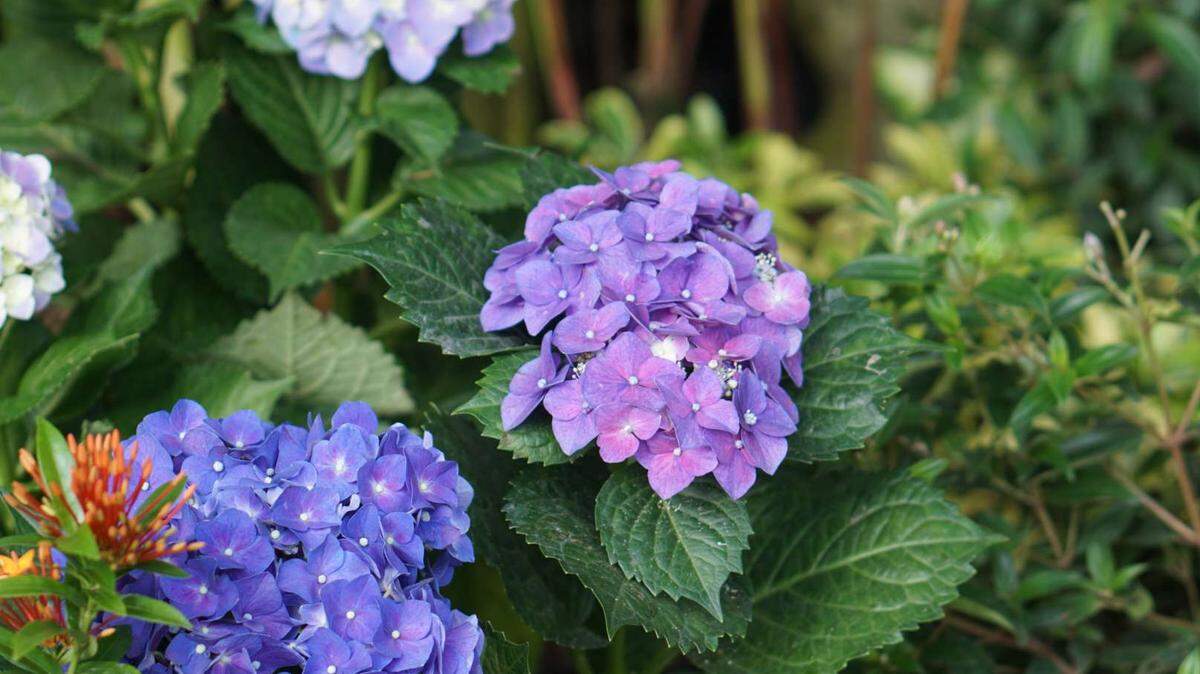
Q. My hydrangea named “Endless Summer” flowered great last summer. Now it has dried flower heads on the tips of many branches, I see lots of new green leaves farther down the stem. Can I cut off the brown flowerheads from last summer? — B.H., Renton
A. Yes! Remove anything brown or dead including any dead branches inside the shrub. Just cut back to a healthy bud or where you see new growth sprouting. The Endless Summer hydrangea is a newer variety that flowers on both old and new wood, so it will bloom “endlessly” all summer even if it gets a slight haircut in the spring.
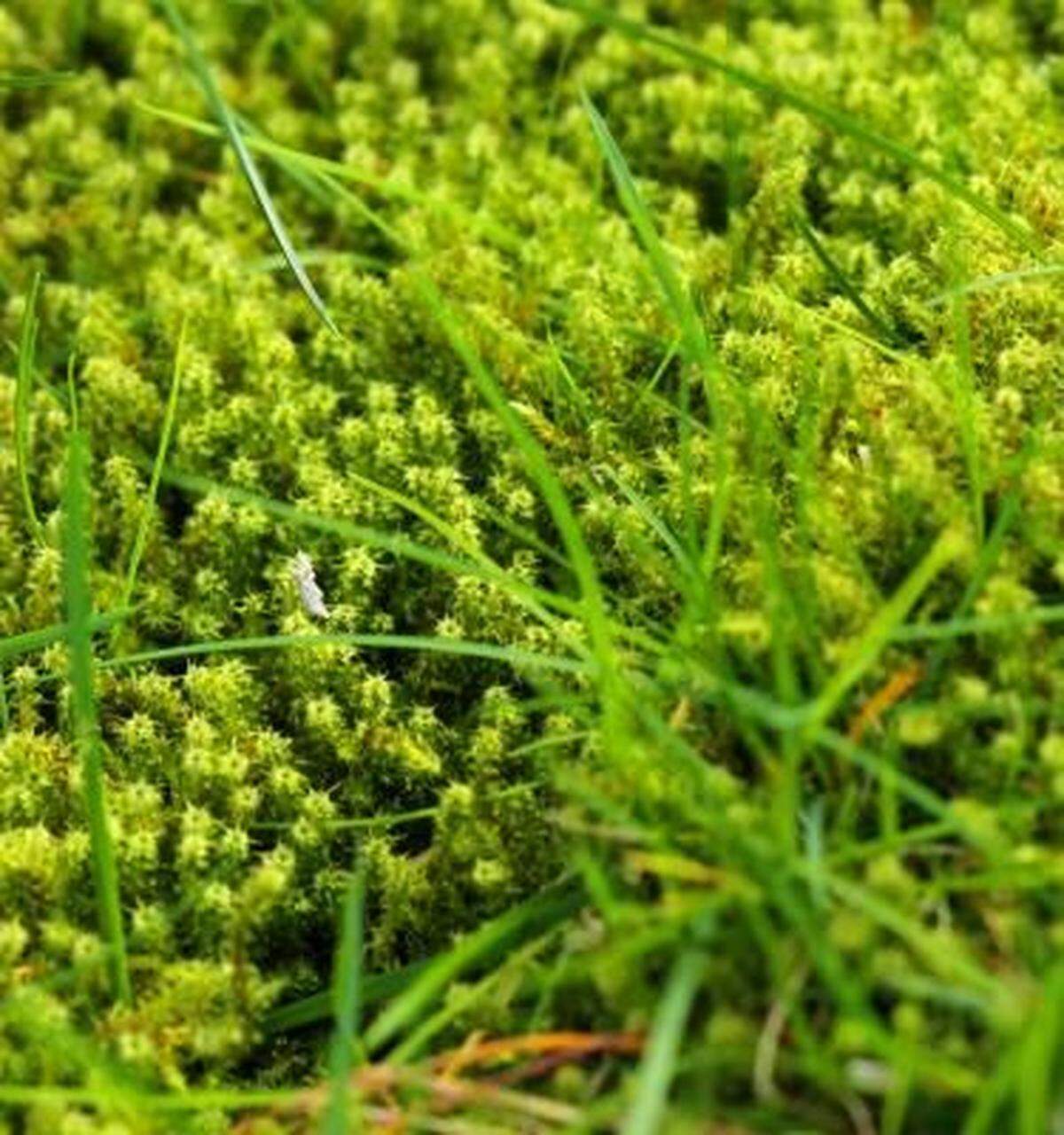
Q. What can I do about moss in my lawn? I tried a moss killer last year and the moss turned black and died but now it is as thick as ever. This is in my backyard, so mostly shaded by tall evergreen trees. — T.Y., Bonney Lake
A. The practical answer is to learn to love your mossy lawn. Another option is to replace grass with a no-mow groundcover that tolerates acid soil such as ajuga, pachysandra or lamium.
Moss is an opportunist and grows where there is shade, poor drainage and acidic soil. Evergreen trees and your Bonney Lake address tell me your soil is acidic.
Growing a moss-free lawn in those conditions would require a big load of excellent topsoil and annual applications of lime, aeration and fertilizer to keep the grass growing thick enough to crowd out the moss colonies. But after all this, the moss might still grow back.
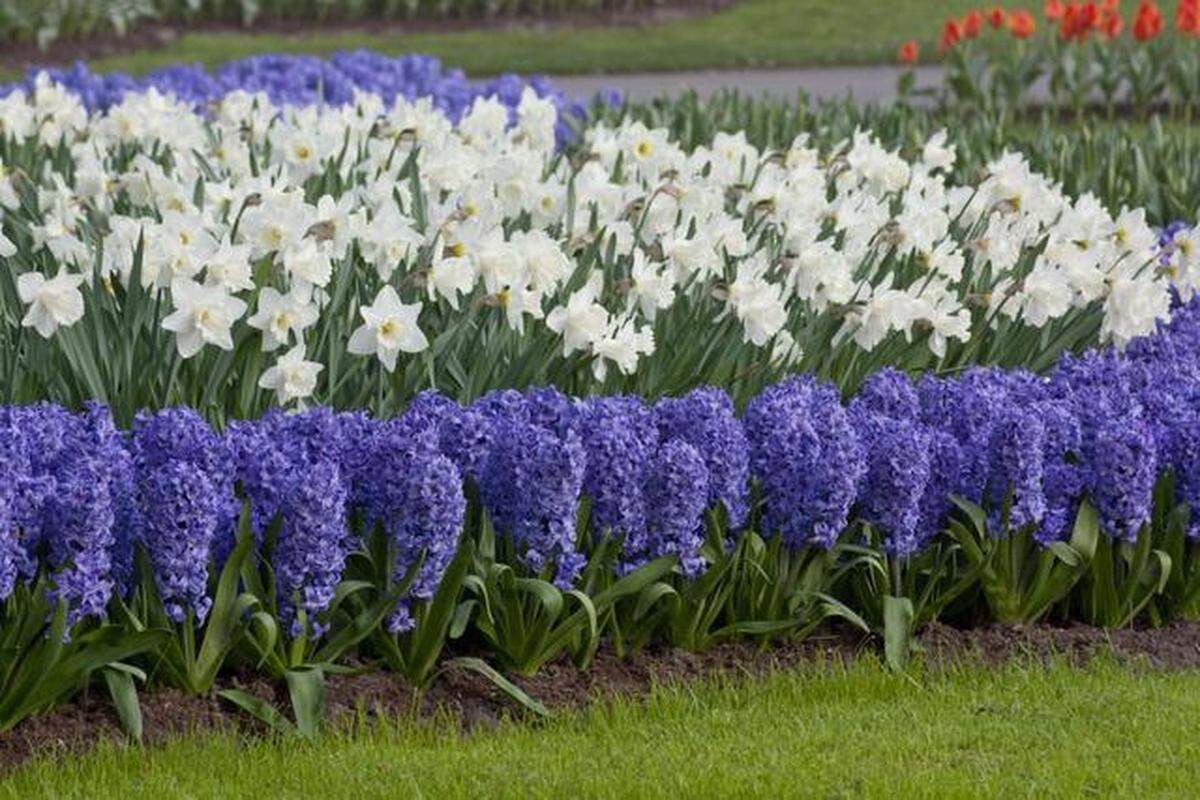
Q. I plan to purchase several pots of blue hyacinths for a spring party. I love the fragrance and will use them as centerpieces. My question is, can I plant hyacinths into my garden after I use them indoors, and if so, will they return year after year? — S.B., Tacoma
A. Yes, and yes you can plant potted hyacinths outdoors even if you enjoy them inside until the flowers fade. Just snip off the stem that holds the fading blooms. Carefully slide the bulbs out of the pot, separate them from one another and replant at the same depth in well-drained soil.
When it comes to getting hyacinths to bloom again, the trick is to grow them in very well-drained soil. A raised bed or rockery is best in our damp climate; hyacinth bulbs rot quickly in damp soil. While being used for display in pots, do not let these bulbs sit in their drainage water.
Tip: Be warned that some people are allergic to the scent of hyacinths and some get a rash from handling the bulbs. Wear gloves when you divide or pull apart hyacinth bulbs.
Marianne Binetti has a degree in horticulture from Washington State University and is the author of several books. Reach her at binettigarden.com.