
How to protect tender plants you want to survive the Western Washington winter
The first week of November shuffles in the rain and storms of autumn, so take this as your cue to stop procrastinating and protect tender plants that you want to survive over the winter.
No need to have a greenhouse or indoor storage as many plants such as abutilon, geraniums, salvias and Dusty Miller can be protected by moving them to a sheltered location close to a building. All potted plants in Western Washington will survive winter best if not left to drown in the winter rains. Move tender potted plants under the eaves of a building or under an outdoor table or beneath the branches of a large evergreen tree. It is the wet that rots these tender plants, not the cold that freezes them.
November is not too late to fertilize the lawn with a fall and winter lawn food, collect and compost fallen leaves and uproot any perennial weeds now before they settle in for the winter.
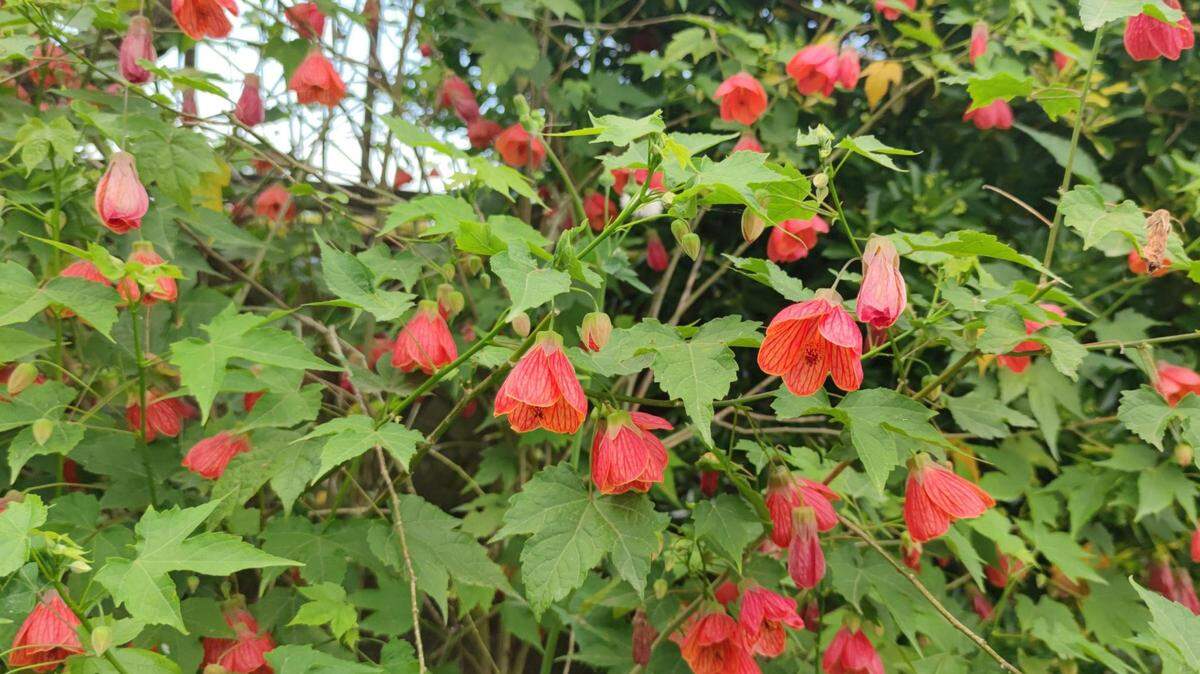
Q. I purchased a flowering maple, or abutilon, at the Northwest Flower and Garden Show last February. It was in a 6-inch pot but grew huge over this past summer. I transplanted it into a much larger container. I have read that abutilon will survive our mild winters if I keep it protected and dry. So what exactly does that mean? Move it into a garage and never water? It is almost 6 feet tall but I want to save it. Should I cut it back before moving it indoors? Leave it outside? Help! — B.H. Renton
A. First congrats on growing a huge, beautiful, blooming abutilon from a much smaller start. This plant is considered an annual that must be replaced each year, but in Western Washington gardeners have had great success growing the plant for several years without even repotting. (My “Tiger Eye” abutilon is going on year four of surviving winters in Enumclaw, near the Cascade foothills.)
The secrets to success when overwintering this plant is first, do not prune it in the fall. Second, shove the container up against the house and under the eaves and do not water until the top few inches of potting soil is completely dry. You want the flowering maple to go into winter dormant and dry soil helps to put it to sleep.
Third, in May you can prune the plant back by one half, water well, drag it into sunshine and then fertilize and enjoy those dramatic dangling blooms all over again.
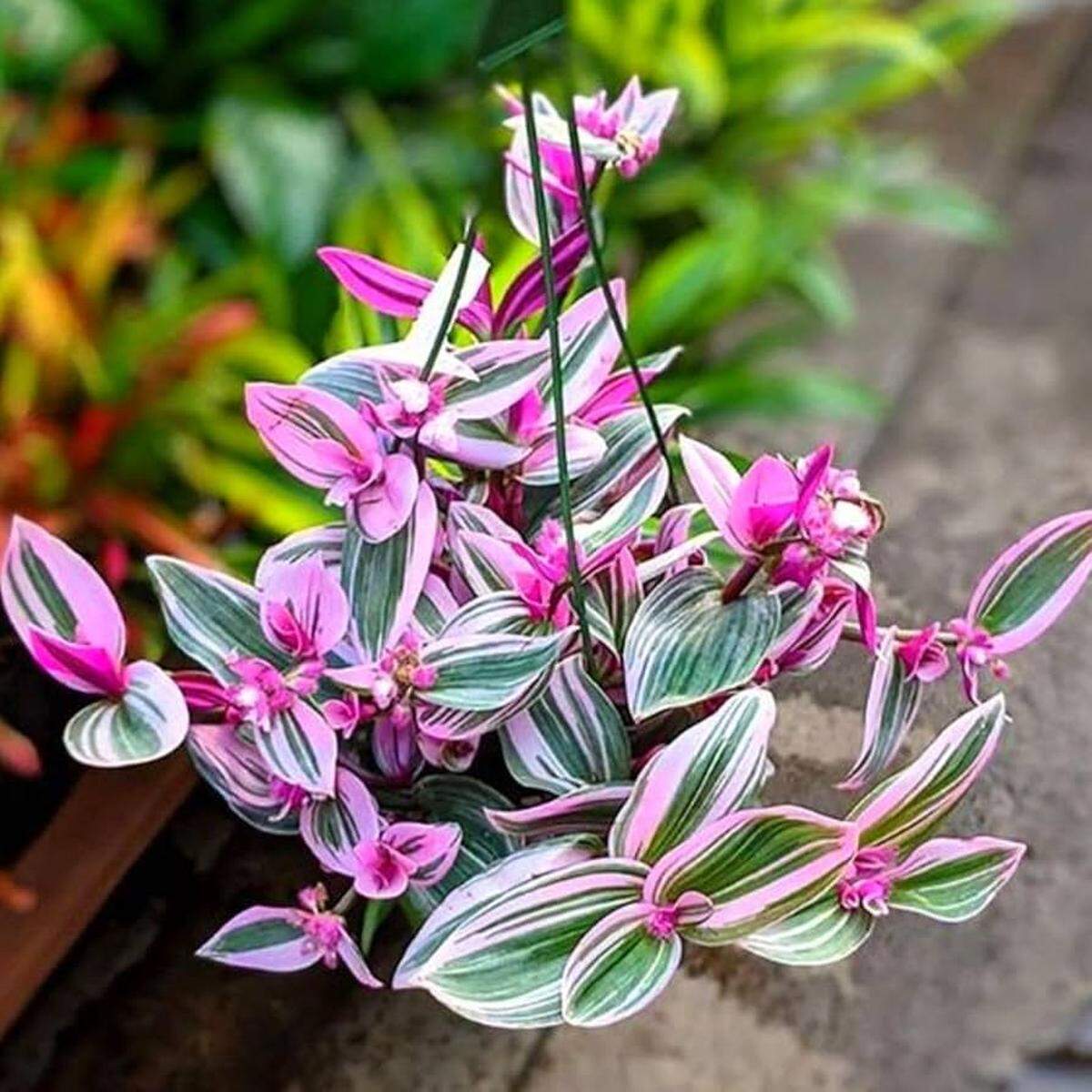
Q. I planted a “spiller” with purple foliage in my window box. It is a Tradescantia, or what we called a “Wandering Jew” back in the 1960s. I know it was grown as a houseplant back in the day. Can I grow this outdoor annual all winter indoors and then use it in my window box again next spring? — H.C., Olympia
A. Yes! The Tradescantia Zebrini (it now has a less offensive common name of “Wandering Dude”) grows long, purple and silver striped branches of foliage that can spill over the edge of containers to hang 2 to 3 feet long.
The best way to overwinter this tropical plant is to take cuttings from your outdoor plants before a frost kills them and simply place the cut ends in a jug of water. Enjoy the beautiful foliage for a few weeks as a cut flower centerpiece and soon you will see roots forming on all the cut ends. Repot these rooted stems into one large or several small containers and grow as a winter house plant near a bright window.
This plant will not survive frost so do not move it back outdoors until mid-May. If the “Wandering Dude” becomes leggy over the winter, simply take fresh cuttings in April and use the rooted cuttings as spillers in your outdoor containers come May.
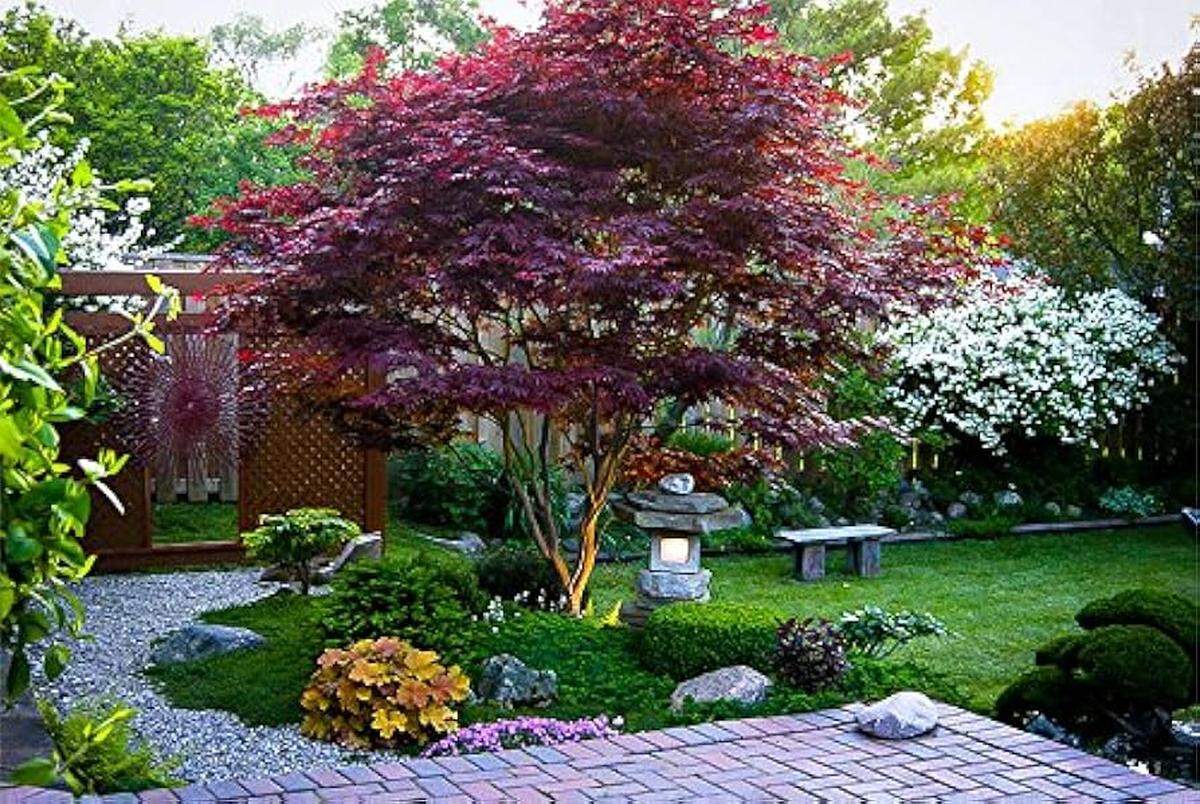
Q. I love all the fall foliage colors from the maples in my neighborhood. I have seen some maple trees with smaller leaves and were told they are Japanese maples. Is it too late to buy and plant Japanese maples in our area? — T.Y., Olympia
A. November is a great month to add the beauty of Japanese maples to your landscape. Local nurseries will have a selection in pots, making these small trees easy to transport and transplant. Just make sure the ground is not frozen on the day you dig in and that you soak the roots of the potted maple the night before.
Marianne Binetti has a degree in horticulture from Washington State University and is the author of several books. Reach her at binettigarden.com.