
2 Olympia police chief finalists have been named in workplace, discrimination lawsuits
Just days after the city of Olympia announced the three finalists for Police Chief, headlines started surfacing that detail lawsuits two of the candidates have been involved in while serving in current and past leadership positions.
The three finalists are:
- Kenton Buckner, Chief of the Syracuse Police Department in New York. He began his career as a patrolman with the Louisville Metro Police Department in Kentucky in 1993 and retired from the department as Assistant Chief of Police in 2014. He went on to serve as Chief of Police for the City of Little Rock, Arkansas, for nearly five years before moving to his current position.
- Mark Bliss, Deputy Chief in charge of support operations at the Detroit Police Department in Michigan. He started his career in 1999, and has served in a command rank for the past eight years. In his current role, Bliss is responsible for the Detroit Detention Center, the Training Center, the Office of Internal/External Relations, the Chief’s Neighborhood Liaison, and the Management Services Section.
- William Riley III, who just retired as Police Chief for the City of Inkster, Michigan. He entered law enforcement in 1984 as a patrol officer with the Newport News Police Department in Virginia, and served in that department for 24 years, rising to the rank of captain and serving as Commander of the Criminal Investigations Division. In 2008, he became Chief of Police for the Selma Police Department in Alabama.
The city’s next Police Chief will lead the 110 employees of the Olympia Police Department, and managing an annual operating budget of $21.8 million.
Here are lawsuits that have been brought against two of the finalists.
Kenton Buckner
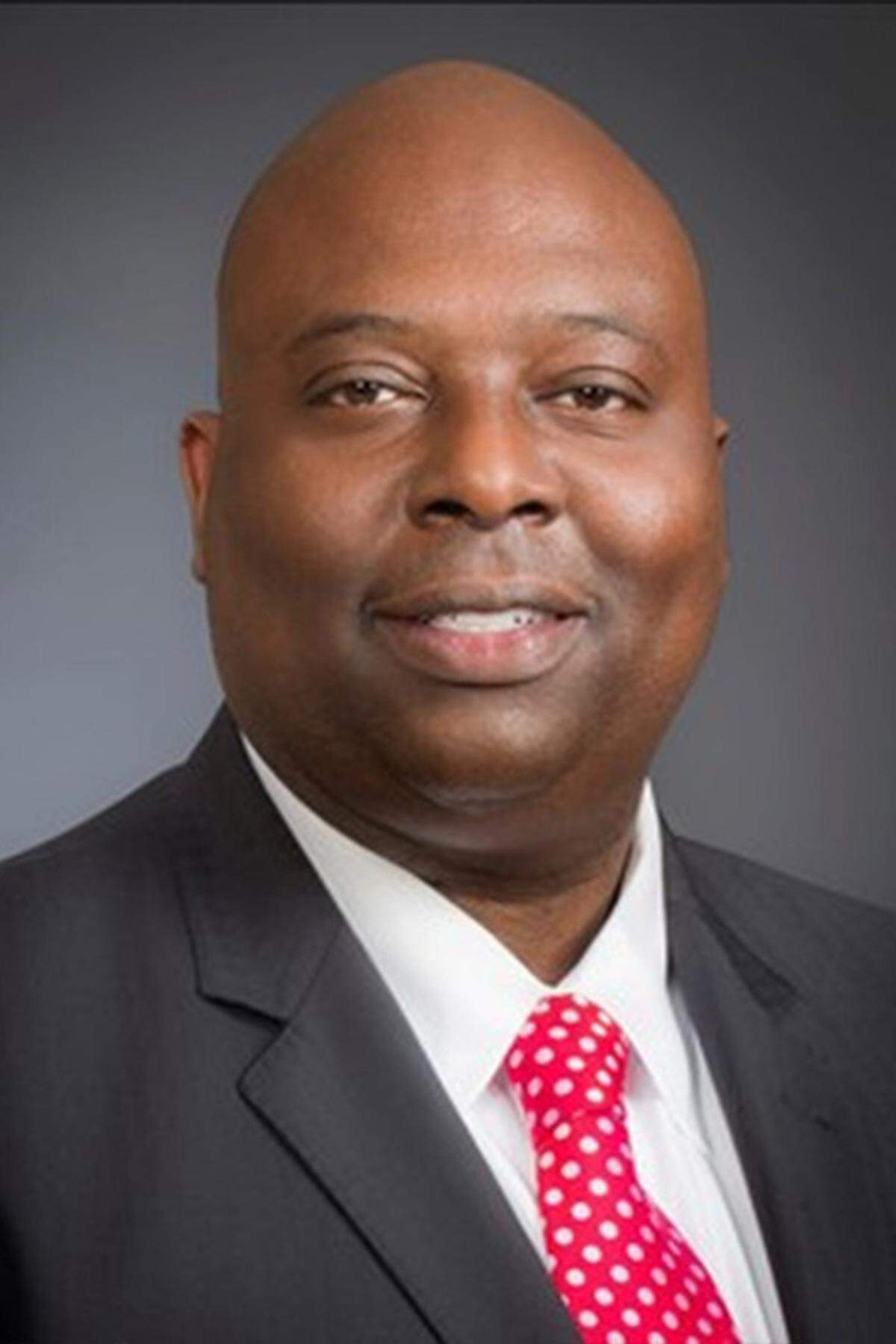
Finalist Kenton Buckner, the police chief in Syracuse, New York, was named in a lawsuit last year that was filed by an officer in his department. The officer alleged that the department discriminated against him because of his race in denying him a promotion.
The officer said members of the police department “engaged in a campaign of retaliation” to keep him off the Gang Violence Task Force. He said he had been accused of being affiliated with gang members, listening to rap music on duty, and had a part in trafficking narcotics.
Buckner was named specifically in the claim, and the officer asked for $33 million in damages as well as changes within the department. In response to the lawsuit, Buckner told CNY Central news that he planned to prioritize restoring community trust in the police department.
A month later, Buckner was named along with his department in another lawsuit filed by an officer for discrimination on the basis of gender and disability, after the female officer was denied a promotion.
After five male officers had been given promotions over the last year or so despite having lower test scores than the female officer, she confronted her superiors about the situation and was told she wasn’t promoted due to a prior conversation she had with Buckner.
According to the CNY Central news article, the officer was denied disability benefits despite being diagnosed with post-traumatic stress disorder. Court documents said Buckner threatened the officer with disciplinary action for prior emails where she complained of discrimination.
These more recent cases shed light on problems at Buckner’s previous job as well. In 2017, the Little Rock Black Police Association sent a letter to the city alleging racial discrimination by Buckner, who was chief of police at the time.
The letter alleged Buckner discriminated against minorities for promotions and transfers, and discipline procedures were inconsistent between white and Black officers and supervisors. The police association also alleged Buckner gave preferential treatment to white supervisors for educational opportunities.
The group moved to sue the police department, naming Buckner in court documents. But the lawsuit was settled in 2020 before making it to court. The City of Little Rock paid $200,000 dollars to the officers, and Buckner told news outlets he strongly denies the allegations made against him.
Mark Bliss
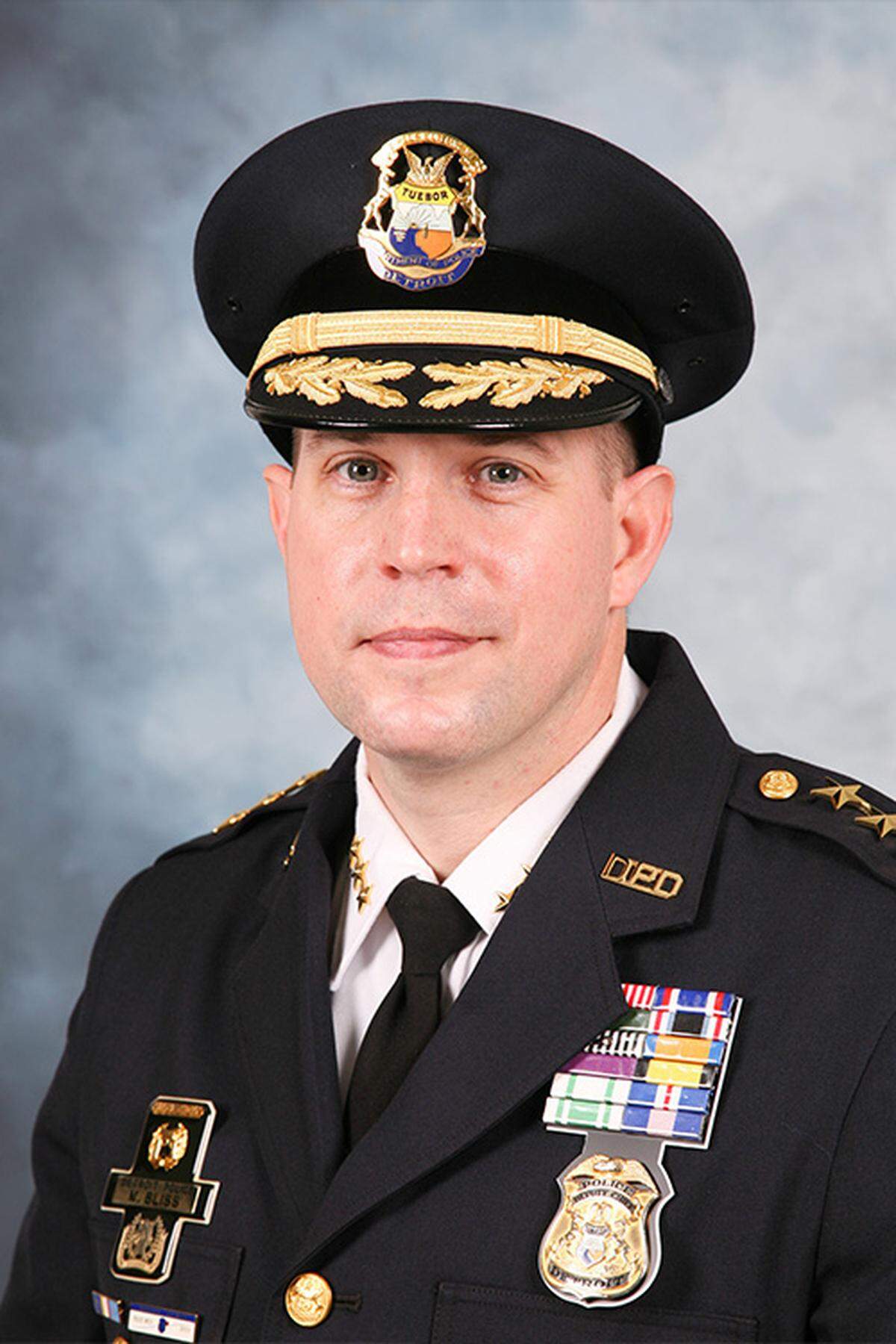
Olympia Chief Finalist Mark Bliss, a deputy chief at the Detroit Police Department, was named in a 2018 lawsuit alleging a racially hostile work environment and violating an officer’s civil and constitutional rights.
According to court documents, a Black police officer claimed that racial discrimination ran unabated in the force, despite a 2017 investigation finding racial disrimination was a problem that needed to be addressed. The officer said the chief of police at the time rejected the findings and suspended the committee that conducted the report.
Just several days after the 2017 investigative report was published, the officer, who was off-duty at the time, allegedly inadvertently entered an unsecured suspected crime scene under investigation, where he was confronted by a white superior officer. Documents say the white officer screamed profanities in the plaintiff’s face.
The officer was accused of not leaving the scene when ordered and was subsequently placed in handcuffs, despite identifying himself as a police officer. Court documents say another white officer tightened the cuffs so much it caused physical injury, and the officer refused to loosen them. They were then loosened by the only other Black officer on the scene.
After the incident, Bliss, a white superior officer, escorted the officer to his car and allegedly told him not to report the incident to the department, stating: “This goes nowhere from tonight.” When the officer told Bliss he planned to complain, Bliss told him there would be repercussions.
During this time period, Bliss was transferred to the Internal Affairs Unit, where officers file workplace complaints. Internal Affairs charges were later brought against the officer, accusing him of improper conduct during and related to the encounter he had with white superior officers.
The court later ruled against the officer’s claims.
City manager responds
Olympia City Manager Jay Burney brought in a public sector consulting firm to help him lead the recruiting process and search for candidates around the country.
Burney said he was the one who did deep background checks into all the candidates, and he looked into any issues that came forward, including those raised with Buckner and Bliss.
“I was comfortable with what I heard and moving them forward in the interview process,” Burney said. “I’m not looking for a police chief that’s never been sued or challenged. You’re likely to face challenging issues and make people unhappy.”
Burney said nothing he learned about Buckner and Bliss led him to believe they themselves acted poorly or were the sole person at fault for issues raised in the lawsuits. He said from his research, crime is down in the communities Buckner and Bliss currently serve, diverse and inclusive hiring and recruiting practices are up, and community engagement is higher than it’s ever been.
Burney said he’s looking for a police chief that takes those issues seriously and has taken on challenging issues and doesn’t shy away from them.
“I take all of this very seriously,” Burney said. “I’m proud of our process that we had here. I think the end result is going to be a great police chief for Olympia.”
.jpg)