
Olympia City Council awards funds to arts venues struggling to recover from pandemic
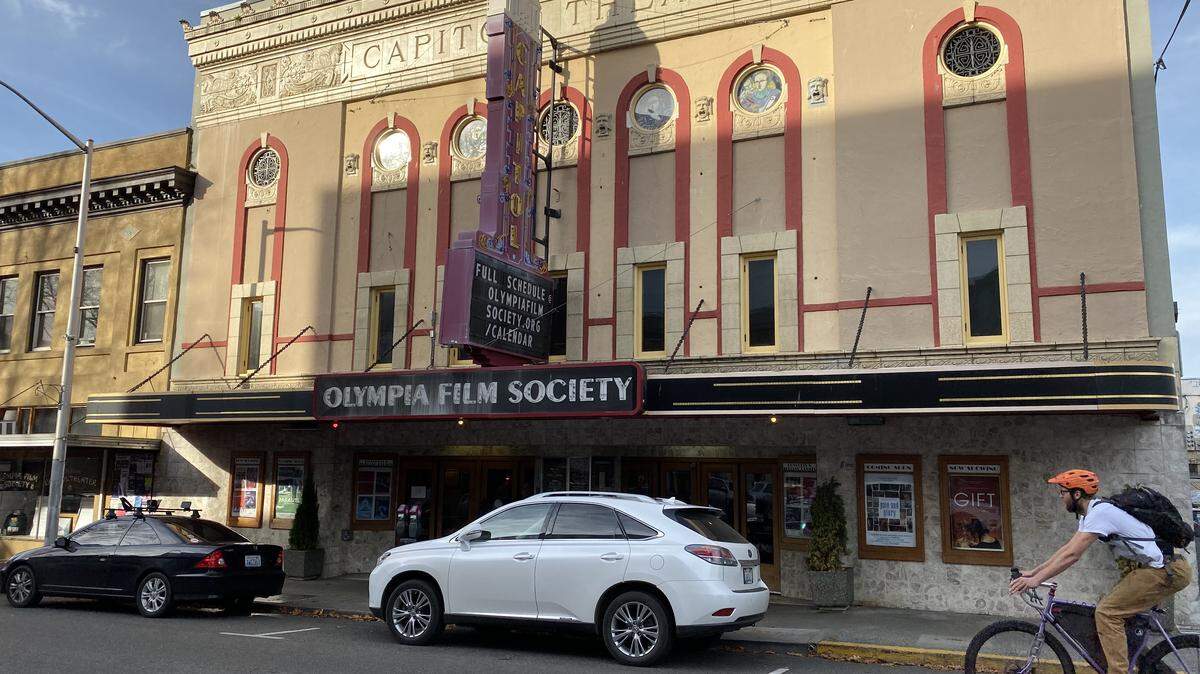
More than $400,000 will be awarded to performance venues and other downtown Olympia programs that are still recovering from less business during the COVID-19 pandemic.
A total package of $412,500 was approved by the City Council on May 16 to go to three theaters and several ongoing projects to keep them running until organizations can apply for funding through the city’s new Cultural Access Program next year. The funding is coming from the Economic Development Reserves, which have a total balance of $2,063,450.
Mike Reid, the city’s economic development director, referenced two pieces written by The Olympian about the state of downtown. He said the COVID-19 pandemic left a lasting mark on businesses downtown, but despite that, things are looking up. A survey of businesses conducted by the Olympia Downtown Alliance (ODA) showed that people are coming back to shops and restaurants. And projects such as alley lighting and “LoveOly” branding have garnered a lot of attention, Reid said.
But the positive trend isn’t being felt by everybody, he said.
“The area that I know is struggling is our performance venues, specifically our community theaters we have here,” Reid said.
He referenced an article from The Olympian that quoted Aaron Lamb, the producing artistic director for Harlequin Productions. Lamb said it’s been a struggle to bring audiences back to theater and live performances in Olympia. Reid said it’s not unique to here; performing arts venues across the country are still well below pre-pandemic attendance levels.
Reid said there are still challenges with getting people to feel comfortable sitting next to strangers at indoor venues where it might be easier to catch an illness.
Harlequin Productions will receive $150,000, the largest amount of the three theaters on the list. Olympia Film Society at Capitol Theater will get $100,000, and Olympia Family Theater will get $50,000. Reid said the amounts were determined by the needs of each theater, how large they are and what their space is used for.
The venues have to sign a contract first before they can get the money, Reid said. The contract will require the theaters to submit an annual report for 10 years that shows they’ve made efforts to attract and support low-income residents and the community as a whole.
The requirements include developing a low-income or affordable-access program that offers tickets or programs for free or at a discounted rate. The organizations also have to complete an accessibility assessment and report annually on improvements they’ve made to any issues identified. The theaters also have to host a free community meeting, event or forum semi-annually. This could be a neighborhood meeting or something for the downtown alliance or other city groups. Lastly, they have to actively support local emerging artists and arts entrepreneurs in some way.
If any of the theaters fail to report any of this information annually, they could be disqualified from receiving future funding from the city, including from the Inspire Olympia tax and Lodging Tax, which supports the Washington Center for the Performing Arts.
Some council members questioned the 10-year timeline for reporting to the city, since the funds will most likely be spent in less than half the time. City Manager Jay Burney said the timeline can be shortened, but the type of reporting they’re asking for from the theaters is work they should be doing already.
Audrey Henley, executive director of Olympia Film Society, said they have to report that type of information annually because of their nonprofit status, and she said the theater nonprofit is committed to that work. She said 10 years does seem long, but it depends on what specific information the city wants to see, and how they want to see it.
Lamb with Harlequin Productions said nonprofits are required by law to report how funds are used, and all that information is available publicly. Reid said ultimately, the requirements are there to ensure the city can show the community that public money isn’t being gifted away.
Reid said the information collected by the city would be tied into the Inspire Olympia Cultural Access tax program to make it easier for those organizations to apply for funding. From an economic perspective, he said it gives him a better understanding of the role different businesses are playing in the community and of the emerging artists and entrepreneurs in the region.
Ongoing initiatives
Several other initiatives were granted funds to boost their work in the city. One of them was the Indie Music History Project, spearheaded by the Heritage Commission. Reid said the project will receive $25,000 to help promote it and keep digitizing work going.
The ODA will receive some funds to continue initiatives downtown. It will get $20,000 for continued holiday lighting for the year and additional lighting projects. Another $35,000 will go toward a retail pop-up program where starting entrepreneurs can set up in a vacant space downtown to get their work in the public eye and more people into the vacant space.
The ODA will get another $7,500 to hire someone to pressure wash sidewalks and other areas downtown.
The Placemaking Microgrant program will get $15,000. Businesses can apply for $500 grants to support mini events, sprucing up their shop or other ventures.
And lastly, $10,000 will go toward expanding the city’s “LoveOly” branding through window clings, pole wraps and banners.
.jpg)