Intercity Transit buses are getting driver protective barriers. Here’s how they will work
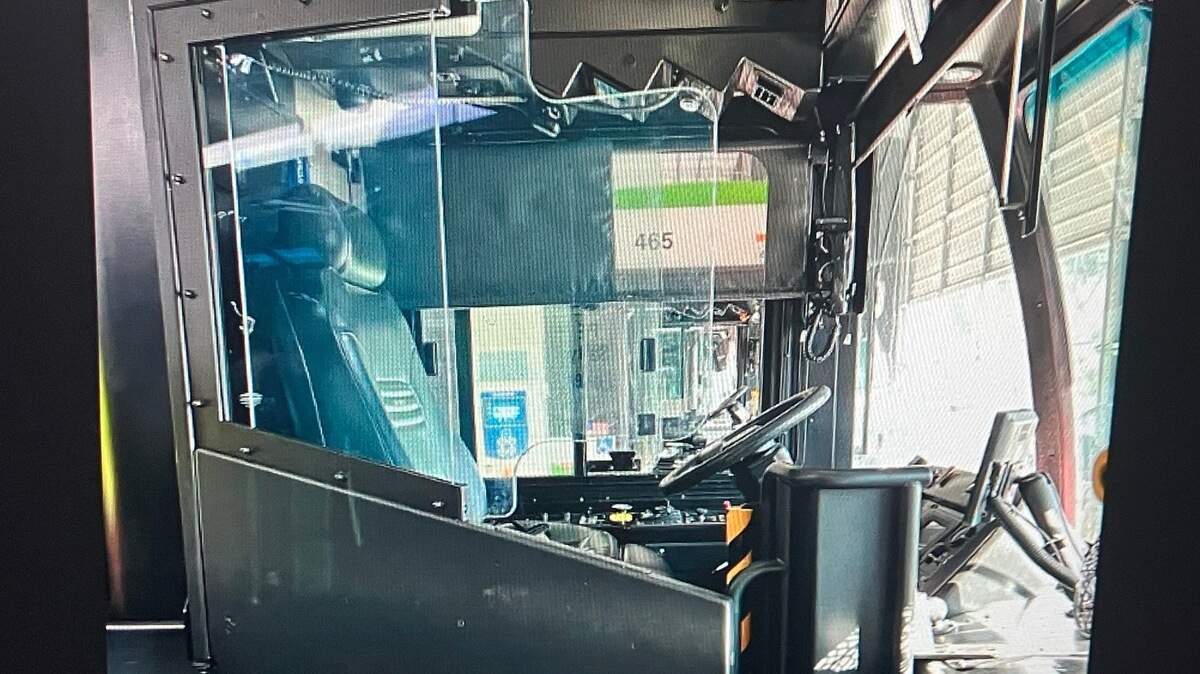
Seventy-nine Intercity Transit buses are getting driver protective barriers after the IT Authority on Wednesday voted unanimously to acquire them.
IT will spend about $710,000, including sales tax, on the barriers, which are expected to arrive this spring and then be installed across the fleet. Each barrier costs $8,193, according to information shared at Wednesday’s meeting.
The barrier is something drivers pushed for, including at a recent meeting of the authority when bus operator Stacy Catarina raised concerns about the threat of being attacked or verbally abused, and asked whether barriers were going to be installed.
General Manager Emily Bergkamp said then that the initial barrier options had ergonomic issues.
“We don’t want folks injuring themselves in a device that is meant to protect them, and getting in and out of that device every day was showing that we would have some ergonomic issues,” she said.
Those ergonomic problems have been addressed, which resulted in Wednesday’s vote.
Bus drivers also expressed safety concerns via a survey, according to IT information.
“Intercity Transit’s decision to move forward with this protective device came from a 2023 survey of operators showing two-thirds supported the installation of barriers to create a safer environment while providing transit services,” the information reads.
How will they work?
Intercity Transit fleet and facilities director Jonathon Yee described the driver protective barriers after Wednesday’s meeting.
The lower half of the barrier is a steel door, so that when the operator sits down, the door encloses that area, he said. The upper half of the barrier is glass, which includes a pane that can be moved forward and back.
The glass can be extended forward to the windshield so that riders can’t reach around it, Yee said.
This isn’t the first time that bus drivers have worked with a protective barrier, he said. IT devised its own barriers during the COVID-19 pandemic and then had to adjust again once it ended.
“As COVID-19 ended, they were kind of a hindrance to the operation of the vehicle, and they weren’t a true security barrier, so we removed them,” Yee said.
But he said IT continued to work with the drivers on a new protective barrier because of the rise of violence against public transit drivers across the country, including in Seattle and Portland, he said.
He acknowledged that drivers here have dealt with minor assaults, but nothing more serious. Late last year, a King County Metro bus driver was stabbed to death.
“So we did a lot of work over the last, really, about three years since we pulled out our homemade barriers to find one that worked properly, and that the drivers could live with and that weren’t going to cause ergonomic issues,” Yee said. “We worked with the manufacturer to modify their standard design and ended up with the barrier that we’re purchasing today.”
Workers, residents urge IT to settle contract
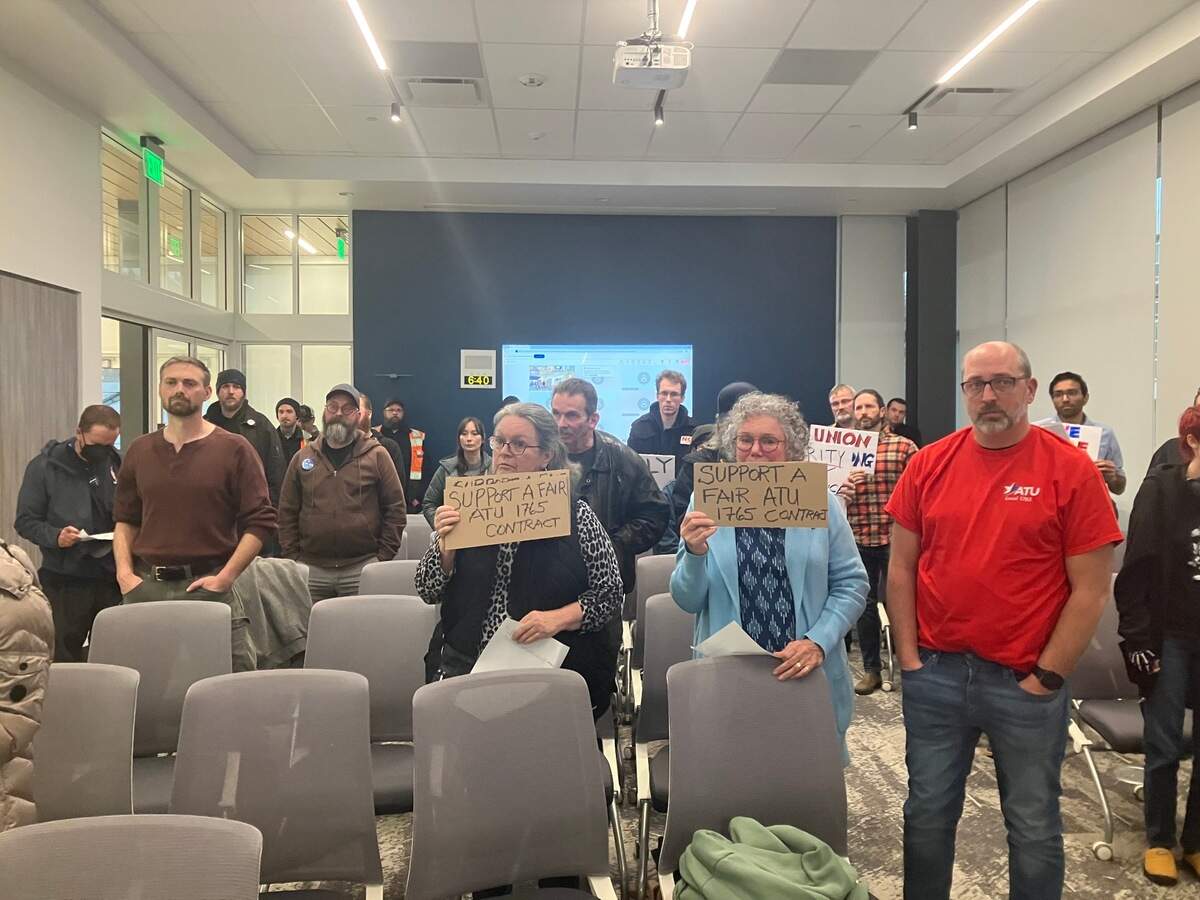
Also at Wednesday’s meeting, about 25 people, either represented by the Amalgamated Transit Union or allies in the community, urged IT to come to terms on a new three-year labor contract. The last contract ended in December.
The union represents 345 bus operators, Dial-a-Lift specialists and customer service representatives.
After they spoke during public comment, they stood and marched out of the building on Pattison Street and then marched up and down Martin Way during a portion of the authority meeting.
This story was originally published March 20, 2025 at 5:00 AM.