Chronic air pollution exposure may raise risks of COVID death, ICU admission, study says
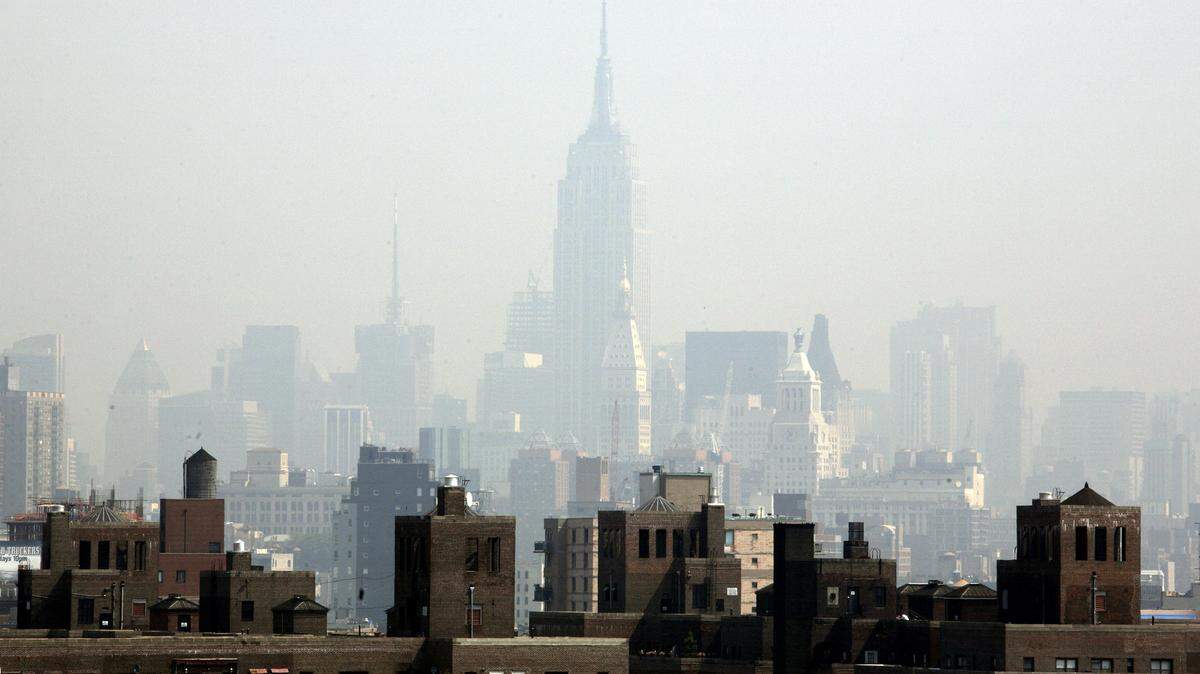
Hospitalized COVID-19 patients who face chronic exposure to a specific kind of air pollution had an 11% and 13% higher risk of dying from the disease and being admitted to an intensive care unit, respectively, compared to coronavirus patients without such exposure, new research shows.
Particulate matter — a mixture of solid and liquid particles made of smoke, soot and dirt — was the only type of air pollution associated with COVID-19 mortality and ICU admission, even at levels below the regulatory standards set by the U.S. Environmental Protection Agency.
Neither nitrogen dioxide nor black carbon had any connection to more serious coronavirus outcomes, according to the study published Dec. 8 in the American Journal of Respiratory and Critical Care Medicine.
The findings highlight how air pollution exposure can influence how someone’s body reacts to COVID-19, even at low levels, emphasizing its effects on health overall.
Decades of research shows chronic air pollution exposure can increase inflammation in the body, increase risks for heart disease and aggravate or cause respiratory issues, especially among children and older adults. Data collected throughout the pandemic reveals those with similar underlying health conditions are more likely to develop severe COVID-19.
“These data suggest that state, national and local air pollution regulation to lower long-term exposures should be considered a critical public health measure to improve infectious disease mortality, particularly in the current, and any future, pandemic,” the researchers wrote in their study.
The team analyzed electronic health records of more than 6,500 adult COVID-19 patients admitted to seven New York City hospitals between March and August 2020. Researchers also studied air pollution data from the NYC Community Air Survey, which collects samples of air every two weeks from 93 monitors planted across the city’s five boroughs.
A model helped the team estimate patients’ exposure levels to particulate matter, nitrogen dioxide and black carbon based on the home addresses they provided when they were hospitalized.
In all, 31% (2,044 people) of those included in the study died from COVID-19, 19% (1,237 people) were admitted to the ICU and 16% (1,051 people) were intubated, meaning a tube was inserted down their throats to help circulate air in their lungs.
Generally, patients’ air pollution exposure levels were low, but researchers found higher concentrations in higher-income neighborhoods; most studies find people living in lower-income communities face more pollution exposure.
Researchers speculate wealthy neighborhoods in NYC, such as Manhattan, have “densely packed streets, buildings and restaurants” that contribute to “higher annual average air pollution exposures.”
Still, the new study suggests younger people of color are more susceptible to severe COVID-19 outcomes, like other research has found.
“The COVID-19 pandemic has brought to the forefront the critical role of the environment on health disparities,” study corresponding author Dr. Alison Lee, an assistant professor of medicine and pediatrics at the Icahn School of Medicine at Mount Sinai in New York, said in a news release. “Policies to reduce air pollution must be considered a necessary public health measure, especially in communities that are disproportionately susceptible to air pollution’s deleterious effects.”
COVID-19 mortality rate was high among the patients studied, so researchers say it’s possible the “lack of therapeutics early in the pandemic and hospital system factors associated with operational loads” may have played a role. Coronavirus vaccines were also not available when the study’s data was collected.
And because the study focused on coronavirus hospitalizations, researchers could not determine how long-term air pollution exposure influences COVID-19 outcomes in everyone who is infected.
This story was originally published December 13, 2021 at 2:51 PM with the headline "Chronic air pollution exposure may raise risks of COVID death, ICU admission, study says."