Exclusive | Could E. Washington rancher avoid prison for $250M ‘mega ghost herd’ scam?
READ MORE
Easterday Farms and Ranch legal issues
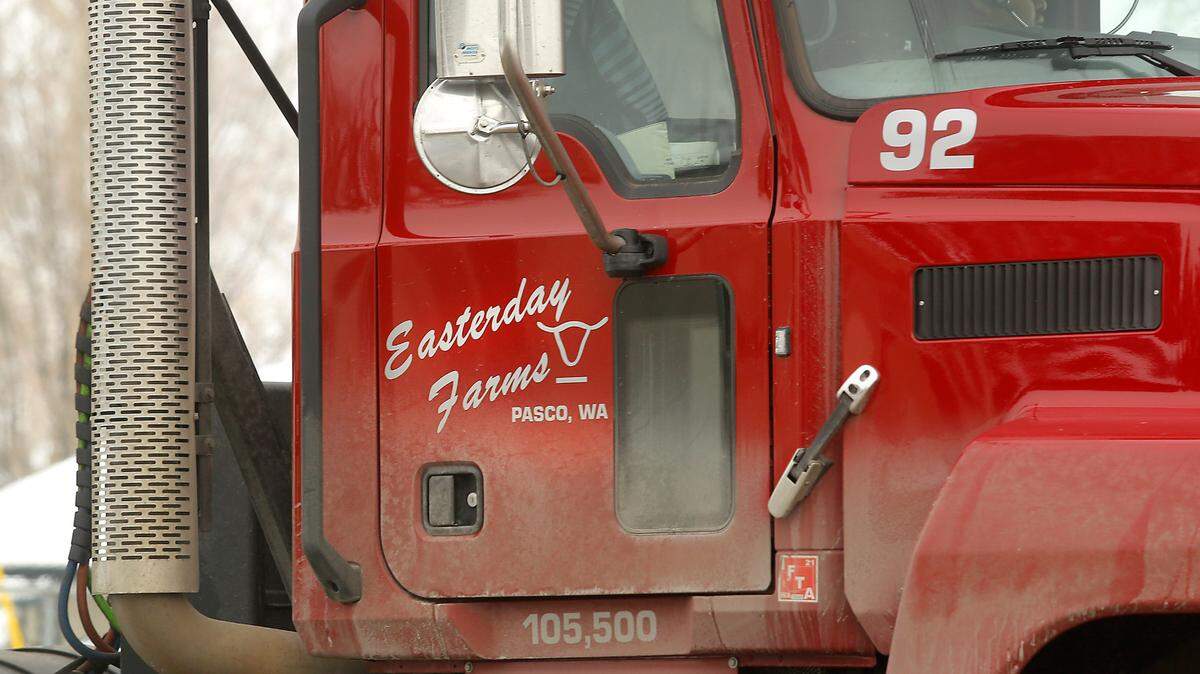
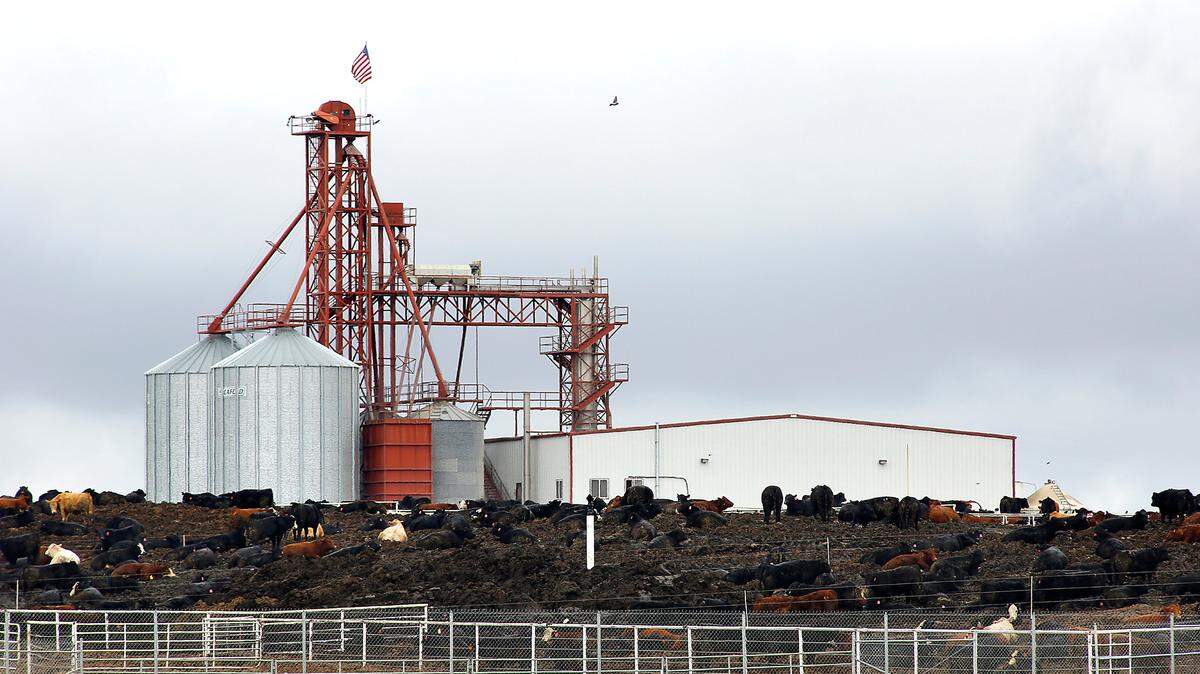
The Easterday Family’s businesses have been embroiled in a bankruptcy case with debtors trying to recover more than $250 million after Cody Easterday was charged with wire fraud in a “ghost cattle” scheme.
Expand All
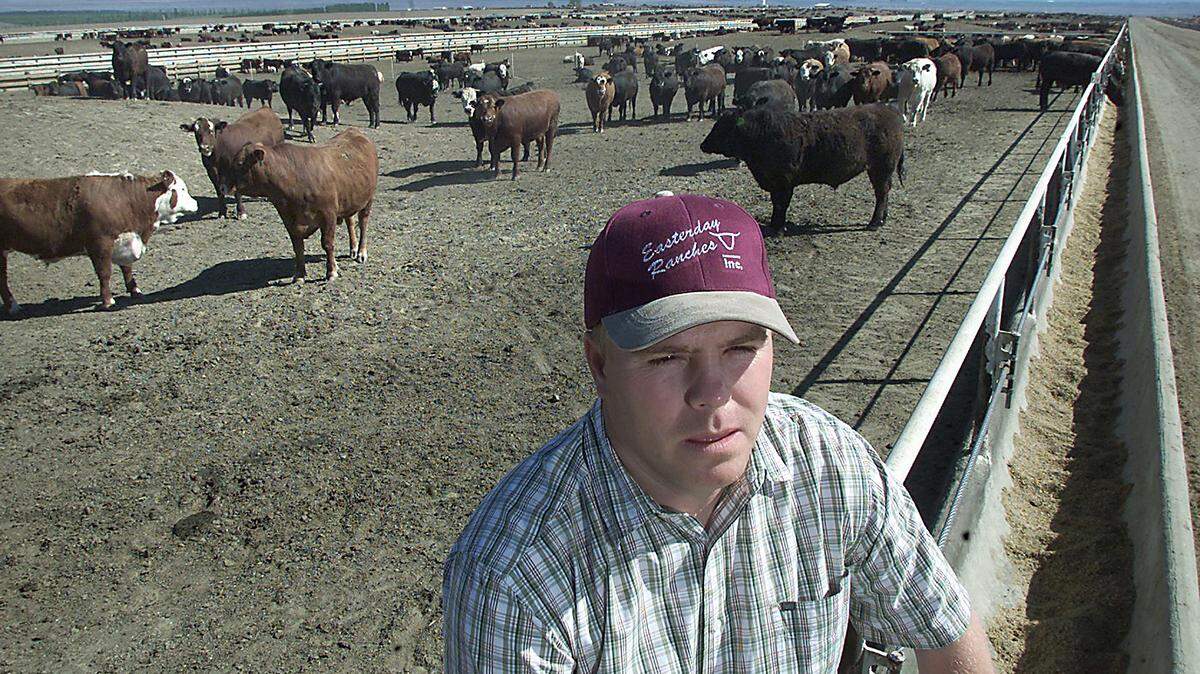
Cody Easterday won’t spend a day in prison for his quarter billion dollar “ghost cattle” fraud if his attorneys have their way.
The Eastern Washington rancher’s defense team is arguing that the amount of money he defrauded shouldn’t outweigh his good standing in the community and his inability to control a gambling addiction.
He lost $200 million from his family’s business and then stole almost $250 million from Tyson Foods and another company to try to make it up.
But federal prosecutors are pushing back, calling his lawyer’s request a slap on the wrist.
In sentencing recommendations filed recently in U.S. District, they argued Easterday shouldn’t get a more lenient sentence than a drug dealer and avoid all prison time because he’s a white collar criminal.
Sentencing debate
Easterday, 51, pleaded guilty to one count of wire fraud in March 2021, after charging Tyson Foods and Segale Properties more than $244 million for the care of cattle that did not exist in order to cover his massive losses in commodity trading.
His sentencing has been delayed for more than a year as Easterday helped manage the bankruptcy case for his family’s businesses.
In a series of presentencing filings, attorneys for Easterday and prosecutors with the U.S. Attorney’s Office laid out their reasoning for the sentences they’re asking U.S. District Judge Stanley A. Bastian to order at Easterday’s Oct. 4 sentencing hearing.
The maximum penalty for the crime is 20 years in prison.
But Easterday’s attorneys argue he should serve one year on house arrest and three years probation.
They claim the hundreds of millions of dollars he defrauded “arbitrarily” raises the sentencing range and should be disregarded. In a response to the defense’s request, prosecutors fired back.
“Easterday’s request that the Court impose a probation sentence for one of the largest thefts in Washington history should be rejected out of hand,” prosecutors wrote. “In seeking such a slap on the wrist, Easterday asks the Court to completely ignore the magnitude of his theft and the Guidelines range that results from it, focus instead on Easterday’s alleged gambling addiction, and give Easterday out-sized credit for admitting his wrongdoing early and helping with the orderly liquidation of Easterday Ranches and Easterday Farms.”
But the prosecutors say Easterday should serve 10 to 12.5 years in prison and three years probation. He is also responsible for paying $244 million in restitution. They also pointed out that Easterday stole almost $45 million more than he lost.
While the prosecutors commended Easterday’s willingness to take responsibility and cooperate with the Easterday Farms and Easterday Ranches bankruptcies, they said he needs an appropriate sentence for a crime of this magnitude.
“... It is important for the public to perceive that a well-heeled defendant who steals nearly a quarter billion dollars through fraud does not receive a more lenient sentence than a defendant who, for instance, distributes 280 grams of crack cocaine.”
Delivering crack cocaine, prosecutors say, carries a mandatory minimum sentence of 10 years in prison.
Pattern of deception
Prosecutors are arguing Easterday’s actions show a pattern of deception and intentional actions to defraud over the course of several years.
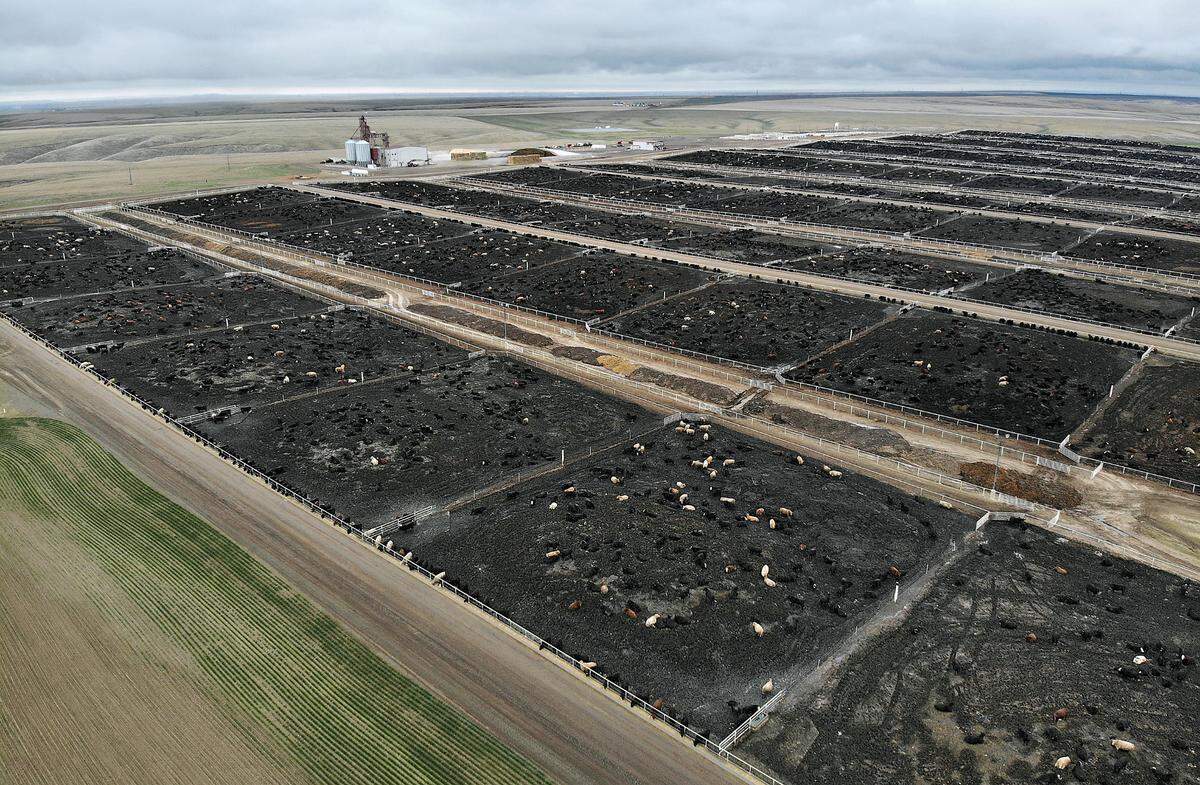
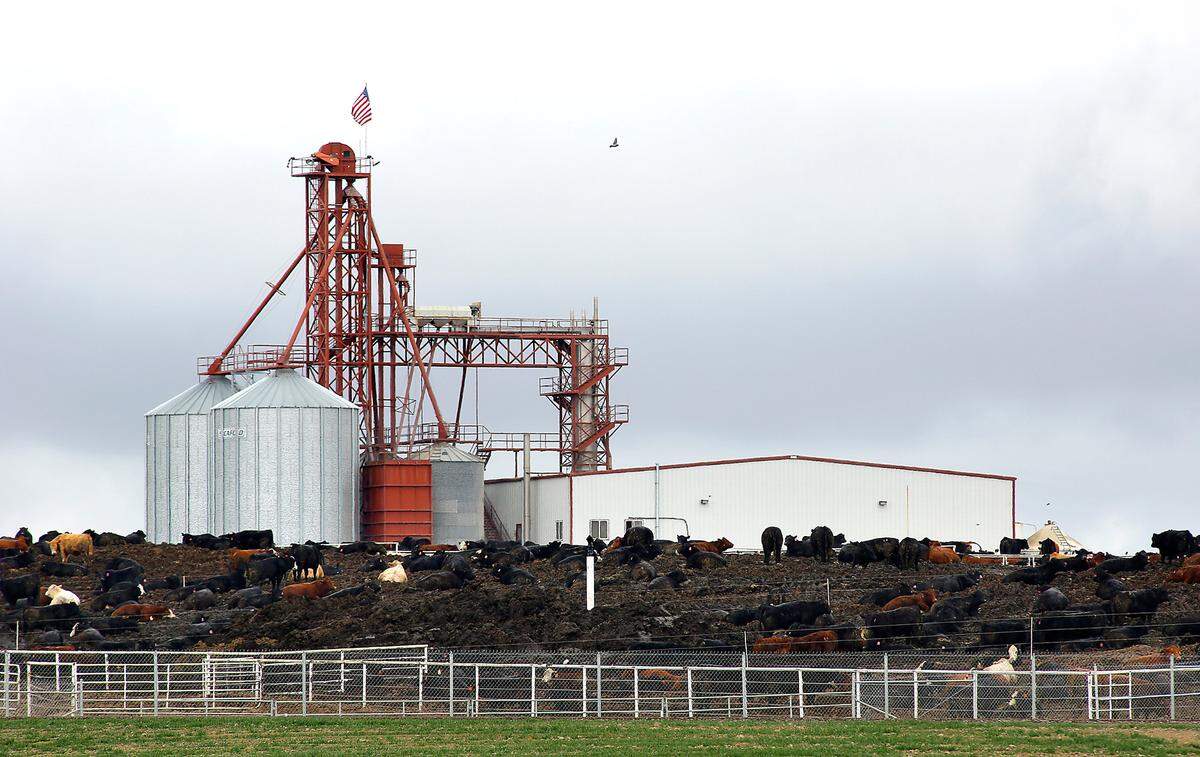
“Easterday comes before the Court as an individual who has enjoyed a life of extreme privilege,“ prosecutors wrote, describing the scope of the crime as “a mega ghost herd that was more than 2.5 times the population of Yakima: a total of approximately 265,995 ghost cattle.”
Tyson estimated they have spent at least $5 million investigating and trying to recoup their losses.
Prosecutors said that while his attempts to assist in the bankruptcy lawsuit were commendable, Easterday had years to come clean and only did so once he was caught.
“It is appropriate for the Court to take note of both the speed with which Easterday accepted responsibility for his crime once confronted, and his post-fraud efforts to assist with the bankruptcy proceedings. But, these factors do not warrant a variance from the sentencing guidelines range,” said the documents.
They noted that his pleading guilty and accepting responsibility already would have likely reduced his sentence by four to six years.
Determining a sentence
Federal sentencing guidelines are determined by a point system, with points assigned according to the severity of a crime and risk of reoffending.
Easterday’s sentencing recommendation is at 32 points. The base level offense of the crime is 7 points, the amount of money stolen increases it by 26 points, and another two points are added because sophisticated means were used to conduct the crime. Three points were taken off for acceptance of responsibility.
At 32 points, the sentencing range of 10 and 12.5 years is significantly less than the 14 to 17.5 years he could face.
His attorneys believe the 26 points for the amount stolen should be disregarded because of his good behavior, standing in the community and gambling addiction.
The filing also included several supporting statements from community members and former employees about Cody Easterday’s character.
However, Tyson Foods Group President Shane Miller asked that the judge in a letter to take the damage caused by Easterday’s actions into consideration. He said the massive fraud had significant negative impact on the company at a critical time of crisis with the food supply chain.
“Equally important-but perhaps not quite as obvious — Mr. Easterday’s actions further impacted Tyson by causing disruption to, and distraction from, its business operations at an incredibly challenging time,” Miller wrote.
“As the Court is no doubt aware, the pandemic strained the ability of all food producers to ensure the adequacy of America’s food supply,” he wrote. “On top of navigating those already challenging issues, Tyson was also forced to deal with a large-scale fraud perpetrated against it by one of its trusted cattle suppliers.”
Easterday’s attorneys also filed a request to delay restitution, claiming that Easterday is entitled to an offset due to interest and payments already made through the bankruptcy case, unpaid cattle care fees and a dispute over branding rights using Easterday’s name in an overseas market that they claim is worth up to $100 million.
Gambling addiction
The claim that Easterday suffers from a gambling addiction is a key component of the defense’s request to lower his sentence.
His attorneys argue that his compulsion because of the gambling addiction was the reason he kept making commodity trades, and there is court precedent to reduce his sentence due to addiction.
While his lawyers have included a few excerpts from a mental health evaluation in their sentencing recommendation, the attorneys have asked that the entire report be sealed for privacy reasons.
The federal prosecutors, meanwhile, do not mention an official addiction diagnosis in any of their court filings.
Easterday’s defense team said in addition to the gambling problem, he had no oversight after his father, Gale Easterday, 79, died Dec. 10, 2020.
That’s when he began making riskier trades and then scrambling to cover his losses, said his attorneys.
They also claim that even before Gale Easterday’s death in a wrong-way collision, he had been suffering from Parkinson’s Disease and a general decline in health.
That was causing Gale Easterday to withdraw from closely overseeing Cody Easterday and the business operations.
The commodity futures trading was, according to Easterday’s attorneys, a part of their business model, “as a hedge against fluctuating market prices.”
Prosecutors called the gambling addiction claim into question in a response filing.
“Easterday’s gambling addiction was diagnosed only after he was caught and by health care professionals who met with Easterday and his family for short periods of time—and thus should be viewed skeptically,” they wrote.
The prosecutors say that Easterday only met with some of the professionals quoted for a few hours, and that none addressed how a gambling addiction would lead someone to steal significantly more than they had lost.
“The United States submits that these opinions should be viewed skeptically. They are based on a small amount of information and interactions with Easterday himself, and they are extremely convenient for the situation in which Easterday finds himself: explaining the reasons for past criminal conduct while assuring that it will not happen again.”
According to the court filings, Cody Easterday was the president and an owner of Easterday Ranches from at least 1998 through December 2020.
In 2014, Easterday Ranches began its cattle feeding agreements with Tyson, and Easterday is said to have begun the ghost cattle scheme in 2016.
Over the past decade Easterday Ranches did about $2 billion worth of business with the company, according to court filings. Easterday Farms also was making about $250 million in revenue as of 2020.
But prosecutors countered in their sentencing recommendation that Easterday had “every opportunity to succeed in life through legitimate work.”
In all, Easterday defrauded Tyson out of $233 million and Segale out of $11 million in what prosecutors describe as an attempt to cover $200 million in commodities future trading losses.
Tyson has received payments totaling about $62.5 million, or 27% of the total owed. Segale has received about $3.5 million, representing 32% of the money stolen, said prosecutors.
Commodities trading
Easterday’s lawyers claim that because of his gambling addiction, he had convinced himself he could make up the money he had lost and stolen.
“For many years, he traded in a conservative, successful manner ... As Gale withdrew from the business, Cody became more aggressive and speculative in his trading activity,” his lawyers wrote.
“He obtained an online platform with market change notifications sent directly to his phone. He became consumed by the market and distracted from the agricultural business that he loved. He became addicted to the gamble of the trade ...,” they argued.
The filings claim that Easterday became withdrawn from his family as he attempted to hide the losses, and his attempts to cover them.
One of the notes in the filing from a mental healthcare professional says Easterday had a ‘winning bell’ notification sound on his phone that would go off whenever he made a successful trade, and that he was unable to turn his phone off at night because he was so ‘consumed with commodities trading.’
“To this day, Mr. Easterday ‘still has urges’ and continues to feel exhilaration and angst on Monday morning when trading opens,” said the filing.
Even as it became evident that Tyson had discovered the fraud, Easterday still believed he could somehow fix the situation, according to his lawyers.
“The defendant spoke about always having the belief that he could rectify the situation, a feeling that persisted even when he met with Tyson executives and told them of his conduct.”
According to the filings, during a meeting with Tyson representatives on Nov. 30, 2020, Easterday admitted to Tyson that the cattle did not exist. He then cooperated with audits conducted by Tyson.
Cody Easterday kept a ledger of the false documentation, listing the nonexistent cattle as being held in “Lot 99.”
On Dec. 10, 2020, he flew to Dakota Dunes, S.D., to meet with Tyson officials and “laid out a plan to still feed cattle on Tyson’s behalf, but apply any profits to the debts owed to Tyson for the previous fraud.”
His father died later that night in the crash in Pasco.
Later that month, Tyson filed a notice with the Securities Exchange Commission, notifying them of a $285 million loss due to misrepresentation of cattle numbers by a single unnamed supplier.
The prosecutors argue that despite his willingness to help try to remedy the situation, Easterday had every opportunity to come clean and chose not to until discovered.
Easterday bankruptcy
Easterday’s sentencing comes as the bulk of the work in the Easterday Farms and Ranches bankruptcy case is wrapping up.
All but one of the companies owed money have agreed to a proposed claims schedule. The 65 businesses had claims ranging from $4 million to $300.
In all, the claims add up to $10.76 million and represent the bulk of the debts for the Easterday Farms portion of the lawsuit.
The lone holdout is Rabo Agrifinance, which is pressing to be paid lawyers fees and interest on a $1 million loan.
Language in a July filing was added that could allow Rabo to preserve their claim while the other businesses settle up. The Easterday companies had defaulted on loans made by Rabo for several of their properties in Franklin County.
The Basin City property has now been sold as part of the liquidation process, and Gale’s wife Karen Easterday will retain ownership of the Pasco onion shed.
Tyson still has an allowable claim of $261 million and Segale has one for $7.8 million, if they do not received full restitution in Easterday’s criminal case.
It is unclear whether the liquidated estate will cover the entirety of what is owed, but the family did raise an estimated $250 million during the bankruptcy proceedings.
Importantly, the claimants in the bankruptcy case also have agreed not to pursue criminal charges against other members of the Easterday family or to testify against Cody Easterday.
Tyson and Segale are exempt from that agreement.
This story was originally published September 27, 2022 at 5:30 AM with the headline "Exclusive | Could E. Washington rancher avoid prison for $250M ‘mega ghost herd’ scam?."